Simple Living Room Decor Ideas That Feel Warm and Stylish
A living room usually becomes the center of daily life without anyone even realizing it. It is where families sit together at night, where guests naturally gather, and where many people spend quiet time after long workdays. Because of that, the room should feel comfortable before anything else. A space can look expensive online and still feel cold or awkward in real life. That is one reason more homeowners across the United States are searching for living room decor ideas that feel practical, warm, and easy to live with every day.
A lot of people assume a beautiful living room requires a large budget or professional designer. In reality, minor deliberate adjustments can have the greatest impact. Moving furniture into a better layout, changing lighting, or adding softer textures can completely change how a room feels. Many homeowners who redecorate later realize they did not actually need more furniture. They simply needed the room to feel more balanced and comfortable.
Overly ideal spaces have likewise become less popular in recent years. Nowadays, people seek more intimate and tranquil houses. Instead of copying showroom styles, they are choosing ideas that make everyday life easier and more relaxing. This article shares realistic living room decor ideas that help create a home that feels welcoming without looking forced or overly styled.
Start With the Layout Before Buying Anything New
One mistake many people make is buying new decorations before thinking about how the room actually functions. Even with lovely furniture, a living room may still be uncomfortable if the arrangement is flawed.
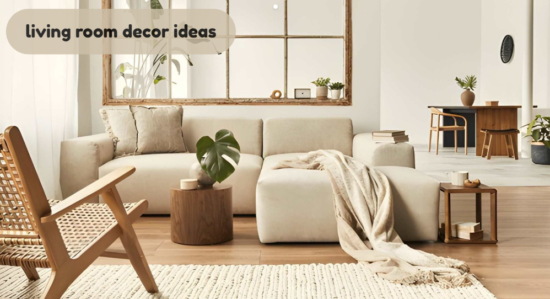
A few years ago, a friend once reported that her living room felt too small. The room itself was not tiny at all. The problem was that all of the furniture was pressed up against the wall, creating an awkward void in the center .The sofa was moved slightly inward, a rug was placed beneath the seating area, and one unused chair was removed. The room immediately felt larger and more natural.
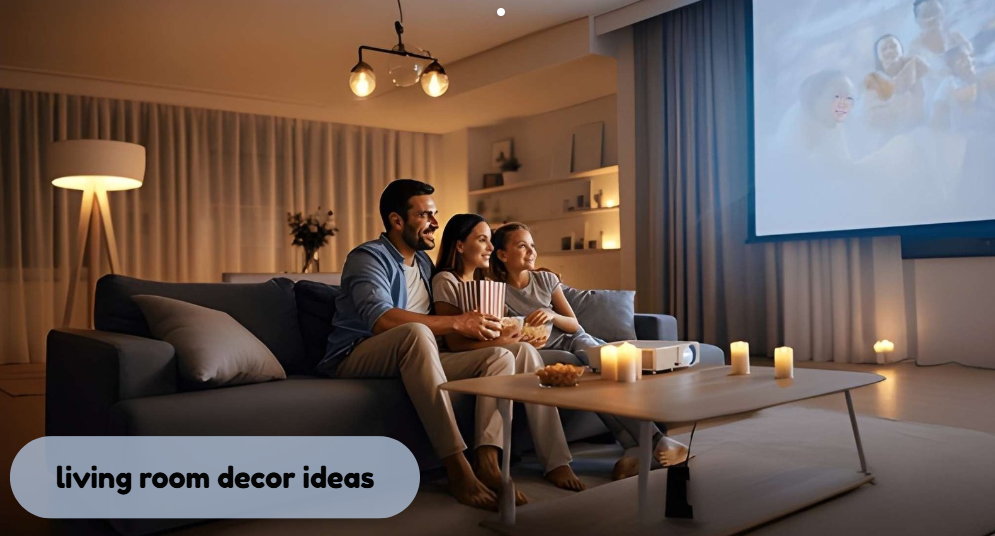
That is why some of the best living room decor ideas start with furniture placement. The room should support how people actually live. Families who watch movies together need a different setup than someone who mainly uses the room for conversation or reading.
In smaller homes or apartments, fewer furniture pieces often create a better result. Many people overcrowd the room without realizing it. A large sectional sofa, two accent chairs, several side tables, and oversized decor can make even a decent-sized space feel cramped.
Rugs also affect how connected the room feels. Small rugs often give the impression that furniture is dispersed. A larger rug that fits beneath the front legs of the seating usually creates a more grounded appearance.
A lot of upgrading tips decoradhouse conversations online focus on expensive changes, but honestly, rearranging furniture sometimes improves a room more than buying anything new. People often underestimate how much flow and spacing affect comfort.
Use Colors That Feel Comfortable to Live Around
Color changes the mood of a room faster than almost anything else. Some shades make a space feel calm while others create energy or warmth. The important thing is choosing colors that still feel good after months of living with them.
There was a period when many homeowners followed extremely bright white and gray trends because those rooms looked modern online. After a while, people started realizing those spaces sometimes felt cold in real life, especially during evenings or winter months.
Now warmer shades are becoming more common again. Soft beige, warm white, muted green, clay tones, and light brown colors help a room feel relaxed without looking outdated. These colors also work well with natural wood and softer fabrics.
In one case, a homeowner repainted her living room three times after repeatedly choosing trendy paint colors seen online. Eventually, she switched to a warmer cream shade that felt simple at first. A few weeks later, it was noted that the room finally felt peaceful to sit in during the evening.
That is something many articles ignore. A room should feel good during daily life, not only in photos.
Another useful trick is layering similar shades instead of filling the room with strong contrast. A cream sofa, warm brown wood, textured pillows, and soft curtains create depth naturally without making the room feel busy.
Several ideas shared on decoratoradvice com focus on timeless color choices for exactly this reason. People get tired of trends faster than they expect, but warm balanced colors usually stay comfortable for years.
Add Texture Instead of Filling Every Corner With Decor
Some living rooms feel cozy immediately when you walk in even though they are not packed with decorations. Usually that feeling comes from texture rather than clutter.
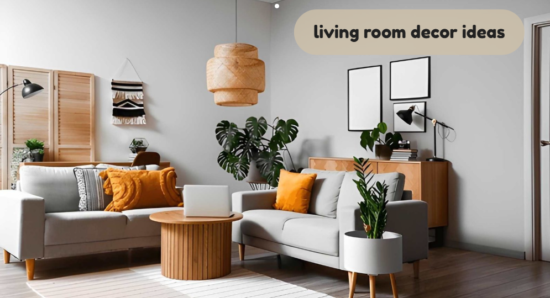
Texture makes a room feel lived in. Soft blankets, woven baskets, linen curtains, wood furniture, textured rugs, and natural fabrics all add warmth quietly in the background.
A newly renovated apartment was once observed that looked impressive at first glance but still felt uncomfortable. Everything inside the room was smooth, shiny, and perfectly matched. Gray sofa, glass table, glossy shelves, metal lighting. It looked clean but not relaxing. Later the owner added softer curtains, a thicker rug, a wooden side table, and a few plants. The room immediately felt warmer without changing the overall design.
That situation highlights how many people confuse decorating with simply adding more objects. In reality, too many small decorations often create stress instead of comfort.
Leaving some empty space matters too. Shelves and tables do not need to hold something in every corner. Rooms usually feel calmer when there is breathing room between decorative pieces.
Plants also help more than people expect. Even one medium sized plant near a window softens the room and makes it feel less flat. Natural materials have a similar effect because they break up hard surfaces and sharp lines.
One reason decoration tips decoradhouse from decoratoradvice connect with readers is because the advice usually feels realistic. Most people do not want homes that feel staged all the time. After a hard day, they seek somewhere that is cozy.
Lighting Changes the Room More Than Fancy Furniture
A surprising number of living rooms feel uncomfortable simply because of lighting. People spend thousands on furniture while still relying on one harsh ceiling light every evening.
Lighting completely changes how colors, furniture, and even people look inside a room. Many effective living room decor ideas focus on layering lighting at different heights because it helps create a warmer and more comfortable atmosphere during the evening without relying on a single harsh ceiling light.
In one case, a living room redesign involved helping replace lighting in a relative’s home. A relative was once convinced that the space needed a new sofa because it felt dull at night. Instead, we added two warm table lamps and replaced the cool white bulbs with softer lighting. The room immediately felt more relaxing. She ended up keeping the same furniture for another three years.
Natural light matters during the day, but evening lighting matters just as much because that is when most people actually use the living room.
Layering different light sources usually works best. A floor lamp in one corner, a table lamp beside seating, and softer overhead lighting create a more comfortable atmosphere than one bright ceiling fixture.
Curtains also affect lighting more than people realize. During the day, heavy, black drapes might give the impression that a space is smaller. Lighter fabrics often help natural light spread better through the space.
Candles help too, even when they are not lit. They add softness visually and make shelves or coffee tables feel less harsh.
Many home upgrade decoradtech discussions now focus on adjustable smart lighting because people are realizing how much lighting affects mood throughout the day. Bright light works for cleaning or working, but softer light usually feels better for relaxing at night.
Make the Walls More Individualized
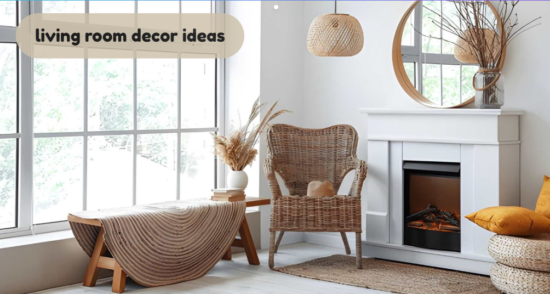
Walls have a huge impact on how finished a living room feels. Completely empty walls can make a room feel temporary while overcrowded walls create visual noise.
The best approach usually feels more personal than perfect.
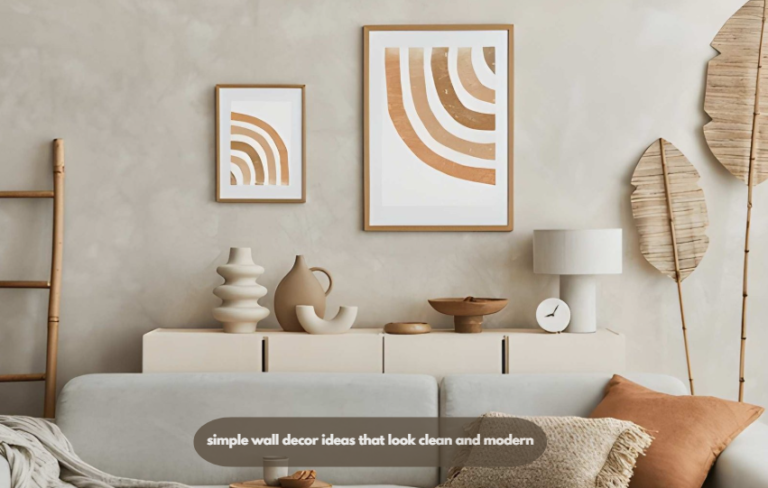
Often, a single large piece of art above a sofa is more effective than multiple smaller pieces competing for viewers’ attention. Large pieces create calmness because the eye has one main focus point.
Gallery walls can still look beautiful when they include personal items instead of random decorations bought all at once. Family photos, travel prints, older frames, or meaningful artwork create more personality naturally.
Many people tend to fill their walls with trendy prints ordered online simply because they match their furniture. A year later, she replaced most of them with black and white family photos and older artwork collected over time. The room instantly felt warmer and more authentic.
Mirrors also help smaller rooms feel brighter because they reflect natural light across the space. That simple trick works especially well in apartments.
Shelves should stay balanced too. Many people overcrowd bookshelves with decorative objects until everything blends together visually. Leaving empty space between items actually makes the room feel more organized and intentional.
The most comfortable homes rarely look overly polished. They usually feel collected over time instead of designed in one weekend.
Choose Furniture That Feels Good in Daily Life
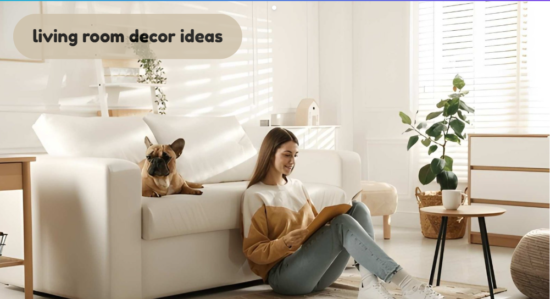
Furniture should support real life first. A sofa that photographs beautifully but feels uncomfortable after twenty minutes usually becomes frustrating very quickly.
That is one reason many homeowners are moving away from overly delicate furniture trends. People want pieces that feel durable, practical, and comfortable enough for everyday use.
There was a case where a trendy low sofa was purchased mainly for its modern online appearance. A few months later they admitted nobody actually liked sitting on it for long periods. Eventually they replaced it with a deeper, softer sofa that felt less stylish in photos but much better in real life.
Comfort matters more over time than appearance alone.
Storage furniture also helps living rooms stay calmer. Coffee tables with shelves, storage ottomans, and benches with hidden compartments reduce clutter without adding extra cabinets.
Scale matters too. Oversized furniture can overwhelm average-sized American living rooms very quickly. Measuring walkways before buying furniture prevents the room from feeling crowded later.
Many people are also mixing furniture styles instead of buying matching sets now. A room usually feels more natural when different textures, woods, and fabrics come together gradually over time.
Final Thoughts
The most effective living room decor ideas are usually the simplest ones. Comfortable layouts, warm lighting, softer textures, practical furniture, and personal details almost always matter more than expensive trends.
A living room should feel relaxing after a long day. It should support conversation, quiet evenings, family routines, and everyday comfort without feeling overly staged.
The homes people remember most are rarely the most perfect ones. They are usually the spaces that feel warm, lived in, and genuinely personal.