
What Happens to Your Home’s Electrical System When Temperatures Stay Above 110 for Weeks
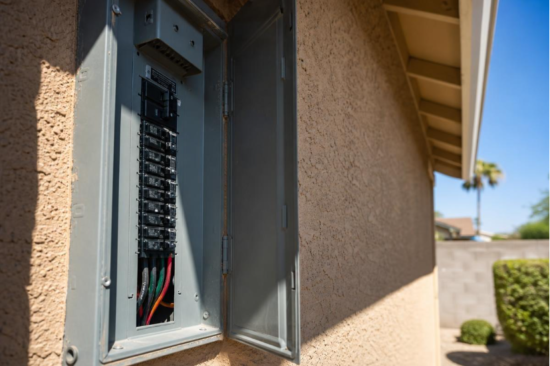
Phoenix homeowners know summer heat is brutal. But when temperatures stay above 110°F for weeks, the stress on a home’s electrical system goes far beyond what most people expect. Wiring insulation softens past its rated limits. Connections oxidize. Panels push beyond their thermal thresholds. Penguin Air, Plumbing & Electrical, a Phoenix-based electrical, plumbing, and HVAC company founded in 2011 and rated A+ by the BBB, has seen firsthand what prolonged extreme heat does inside the walls of Valley homes. This article breaks down exactly what happens, and why it matters before the next heat wave arrives.
Why Sustained Heat Above 110°F Is Different From a Hot Day
A single hot day gives a home’s electrical system a chance to recover overnight. Two weeks above 110°F does not. Heat builds up inside walls, attics, and panels without ever fully releasing. That sustained exposure, not the daily peak, is what causes real damage to conductors and connections that were perfectly fine a few summers ago.
Heat Accumulates in Your Walls and Attic
Attic temperatures across the Valley regularly hit 150 to 160°F during a sustained heat event. Standard NM-B wiring is rated for 140°F ambient exposure under the National Electrical Code. Phoenix attics blow past that rating before noon and hold it through the afternoon.
When insulation softens and cracks over repeated heat cycles, the wire underneath becomes brittle and the protective jacket loses its dielectric strength. Homes built between the 1970s and 1990s carry wiring that has already survived 30 to 50 Arizona summers, leaving the insulation with less to give each cycle.
Your Electrical Load Spikes and Stays Spiked
A 3-ton central air conditioner draws 45 to 60 amps when running. During a heat siege, it runs almost continuously, sometimes 18 to 20 hours a day. Circuits built for intermittent use were never designed to carry that load for weeks straight. Add a pool pump, refrigerator, ceiling fans, and an EV charger, and total demand stays elevated around the clock. Connections that were torqued to spec years ago loosen slightly with each heat-and-cool cycle, and a loose connection is a hot connection. Monsoon humidity then accelerates oxidation on already-weakened terminals, compounding resistance and the heat it generates.
Breakers Trip at Lower Loads When Panels Run Hot
A standard thermal-magnetic breaker is calibrated to trip based on heat. When the panel itself sits at a high ambient temperature, the breaker is already partway to its trip threshold before appliances even draw current. South- and west-facing panels can exceed their 104°F ambient rating with no shade protection, so breakers trip at lower loads than their printed amperage suggests, explaining why a 20-amp circuit that ran fine all winter starts nuisance-tripping in July.
What Phoenix Homeowners Should Watch For
- Breakers that trip more than once on the same circuit, or that feel warm to the touch.
- Any burning or melting-plastic smell near the panel, outlets, or switches.
- Outlets or cover plates that feel hot or show discoloration around the slots.
- Lights that dim noticeably when the A/C or pool pump kicks on.
- A panel older than 25 to 30 years, or any panel brand known for safety recalls.
- Visible corrosion, rust, or scorch marks on the bus bars or breaker faces.
A licensed electrician can perform an infrared scan of the panel and major circuits to catch hot connections before they fail, verify torque on terminations, and confirm wiring is properly de-rated for attic runs. Home surge protection from Penguin Air, Plumbing & Electrical is also worth considering, since monsoon storms send voltage spikes through the grid that can finish off components already weakened by heat.
Frequently Asked Questions
Can extreme heat actually damage home wiring?
Yes. The PVC jacket on standard residential wiring is engineered for a specific temperature ceiling, and Phoenix attics routinely exceed it for hours at a time. Over many summers the jacket softens, cracks, and loses insulating strength, raising the risk of arcing and electrical fires. Older homes carry the most risk because their insulation has already been through decades of heat cycles.
Why does a circuit breaker keep tripping in summer but not in winter?
Two things happen at once. Total electrical load jumps because the air conditioner, pool pump, and fans all run simultaneously. On top of that, high ambient temperatures inside the panel lower the thermal trip threshold, so the breaker triggers more easily at the same load it carried without issue in January.
Is it safe to reset a tripped breaker?
One reset is fine. If the breaker trips again right away, stop. Repeated manual resets can damage the breaker mechanism and mask a more serious fault. At that point, a licensed electrician should be called.
How do I know if an electrical panel needs to be replaced?
Watch for breakers that trip often, feel hot, or refuse to hold a reset. Burning smells, visible corrosion on the bus bars, or a panel older than 25 to 30 years are clear warning signs warranting a professional safety inspection.
About Penguin Air, Plumbing & Electrical
Founded in 2011, Penguin Air, Plumbing & Electrical is a Phoenix-based home services company covering HVAC, plumbing, and electrical work across metro Phoenix. The company holds a BBB A+ Rating, has maintained BBB Accreditation since 2011, and earned a Business Ethics Award. Its electricians are available 24/7 and serve homeowners throughout Maricopa County, including Chandler, Gilbert, Tempe, Mesa, and beyond. The office is located at 3710 East University Dr Suite 1, Phoenix, AZ 85034.
Business Name: Penguin Air, Plumbing & Electrical
Address: 3710 E University Dr # 1, Phoenix, AZ 85034
Phone Number: (480) 525-5400