
Pre-War Charm, Modern Mess: How to Clean and Care for the Original Details in Your NYC Apartment
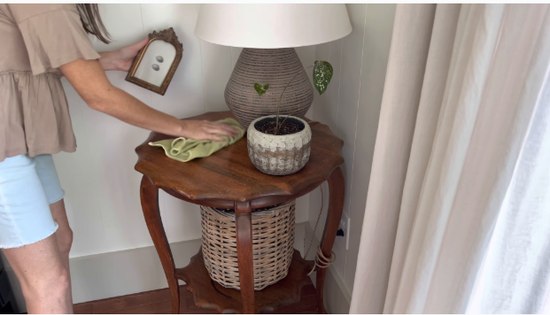
New Yorkers pay extra for crown molding and hex tile, and the team at Green Hands Cleaning NYC cleans those details in old apartments every week. Original features are the best decor in the city. They are also the hardest to keep clean. Old plaster cracks. Brick sheds dust. Radiators leave gray streaks on fresh paint.
Most decor advice shows you how to style a pre-war apartment. This guide shows you how to care for one, so the details you love keep looking good.
New York Lives in Old Buildings
New York’s homes are much older than homes in most of the U.S. That shapes how you decorate and how you clean.
- About 4 in 10 NYC homes were built in 1939 or earlier, based on Census American Community Survey (ACS) estimates. Nationwide, it is closer to 1 in 8.
- About 2 out of 3 NYC households rent, per ACS data. Renters often can’t repaint, refinish, or replace old features.
- 8,804,190 people lived in NYC at the 2020 Census, more than any other U.S. city.
- More than 37,000 NYC properties are landmarked or sit in historic districts, according to the NYC Landmarks Preservation Commission.
“Pre-war” usually means built before World War II. These buildings came with features that are rare in new homes. Think plaster walls, picture rails, steam radiators, tiny hex floor tiles, oak parquet, and cast iron tubs. In Brooklyn brownstones, add exposed brick, tin ceilings, and carved wood mantels.
The catch is simple. These materials are 80 to 120 years old. Modern cleaning products and habits can damage them fast.
The Lead Paint Rule Every Decorator Should Know
Before you scrape, sand, or strip anything, read this part.
New York City banned lead paint in homes in 1960. The federal ban came in 1978. In a pre-war apartment, there are almost surely layers of lead paint under the newer coats. This is most common on moldings, window frames, doors, and radiators.
Lead paint is safe when it is intact and covered. It becomes a danger when it turns into dust. Sanding, heat-stripping, or scraping old paint can spread lead dust across the whole home. Lead is especially harmful to young children.
Under NYC Local Law 1 of 2004, landlords of buildings built before 1960 must check each year if a child under 6 lives in the unit. They must find and fix lead hazards using safe work practices. If you see peeling paint, report it in writing and call 311.
What this means for your decor plans:
- Don’t sand or strip old paint to reveal “original wood” yourself.
- Clean windowsills and floors with a damp cloth, not a dry duster. Wet wiping traps dust.
- Use a vacuum with a HEPA filter. Regular vacuums can blow fine dust back into the air.
What New Yorkers Keep Asking
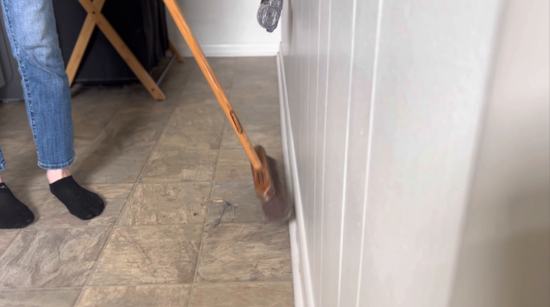
These questions come up again and again in NYC apartment and design forums.
“Why is there a gray streak on the wall above my radiator?”
This is called thermal tracking, or “ghosting.” Hot air rises off the radiator. It carries dust, soot, and cooking grease up the wall. The particles stick where the air hits, leaving dark streaks.
NYC heat season runs from October 1 to May 31. That is eight months of radiators pushing dust onto your walls.
How to fix it:
- Dust the radiator first with a long, thin radiator brush. Work from top to bottom.
- Wipe the streak with a soft sponge and warm water with a few drops of dish soap.
- Don’t scrub hard on flat or matte paint. It can leave shiny spots, called burnishing.
- Use a radiator cover with a solid top, or a shelf above it. This bounces the hot air away from the wall.
Clean radiators in early fall, before the heat comes on. Dust that bakes on all winter is much harder to remove.
“My exposed brick sheds red dust everywhere. What can I do?”
Old brick is soft. As it ages, the surface crumbles a little. This is called spalling. The red dust settles on shelves, floors, and furniture.
You may also see a white, chalky powder. That is efflorescence, salt left behind when water moves through the brick.
- Vacuum the brick with a soft brush attachment. Don’t use a wire brush. It tears the surface.
- Wipe white salt off with a dry, stiff nylon brush.
- Ask your landlord about a breathable masonry sealer. A sealer can stop most shedding. Many leases don’t let tenants seal walls without permission.
- Keep art and fabric a few inches off the brick. It lets air move and keeps dust from collecting behind frames.
“How do I clean the tiny hex tiles in my bathroom?”
Pre-war bathrooms often have small white unglazed porcelain mosaic tiles. They are tough, but the grout lines between them are deep and many.
- Use a pH-neutral tile cleaner and a small stiff brush.
- Work in small sections and rinse with clean water.
- For stains, make a paste of baking soda and water. Let it sit 10 minutes, then scrub.
Watch out for marble. Many old bathrooms have marble door thresholds, window sills, or wall panels. Vinegar, lemon, and most bathroom sprays are acids. Acid leaves dull marks on marble called etching. Keep acidic cleaners far from any marble in the room.
“Can I hang art on plaster walls without cracking them?”
Old plaster is hard and brittle. A nail can crack it or knock out a chunk.
- Use your picture rail if you have one. Many pre-war rooms have a wood strip near the ceiling. Hooks and cords hang art without any holes. This is how it was done 100 years ago.
- Drill, don’t hammer. Put painter’s tape over the spot first. It helps stop cracks.
- Use plaster-safe hangers sized for the weight of your piece.
- Expect dust. Drilling old plaster makes fine white dust. Hold a vacuum hose under the drill.
Adhesive strips don’t hold well on old, chalky paint. They can also pull paint off when you remove them.
“How do I clean old parquet floors?”
Many pre-war apartments have oak parquet, small wood pieces set in patterns like herringbone. The finish matters more than the wood.
Do a quick test. Put a drop of water on the floor in a hidden spot.
- If it beads up, the floor has a sealed finish like polyurethane. Clean it with a barely damp microfiber mop and a wood floor cleaner.
- If it soaks in or leaves a dark mark, the finish is worn or waxed. Keep water away. Dust mop only, and talk to a floor pro.
Never use steam mops on old parquet. Heat and water can loosen the glue under the small pieces and make them pop up.
“What about the moldings and tin ceilings?”
Crown molding and ceiling medallions often have decades of paint on them. Dust settles in every groove.
- Use a soft paintbrush or a microfiber duster on an extension pole.
- For grease near kitchens, wipe gently with a damp cloth and a little dish soap.
- Tin ceilings should be dusted and spot wiped only. Too much water can cause rust at the seams.
A Seasonal Care Calendar for Pre-War Homes
Each season in New York is hard on old materials in a different way.
Fall (September to November):
- Clean radiators before heat season starts on October 1.
- Check windows for drafts. Old wood frames gather soot along the tracks.
Winter (December to February):
- Steam heat dries out wood. Run a humidifier to keep parquet and old furniture from cracking.
- Wipe ghosting streaks once a month so they don’t build up.
Spring (March to May):
- Heat season ends May 31. Give the whole home a full dust-down, top to bottom.
- Tree pollen settles on sills and brick. Wipe with a damp cloth.
Summer (June to August):
- Humidity swells old wood. Doors and windows may stick. Don’t force them, since that can chip lead paint.
- Watch bathroom grout and caulk for mildew. Many pre-war bathrooms have small windows and weak fans.
Decor Choices That Make Cleaning Easier
Good design in an old apartment works with the building.
- Pick washable paint finishes like eggshell or satin near radiators and kitchens. Flat paint stains easily.
- Leave a gap behind furniture on radiator walls. Air flow cuts down on ghosting.
- Use washable rugs over old floors in high-traffic spots.
- Choose closed storage in rooms with exposed brick, so dust doesn’t settle on open shelves.
- Keep heavy plants off old wood floors without a stand. Water rings sink into worn finishes fast.
When to Call a Pro
Most care is simple once you know the rules. Bring in help when:
- Years of radiator dust and ghosting cover several rooms.
- Grout in an old tile bathroom has turned dark gray.
- You’re moving in and want the original details cleaned before you decorate.
- You’re getting ready for a party, an open house, or a photo shoot of your space.
A deep clean that respects old materials uses the right tools for each surface. You can see how that works at greenhandscleaningservices.com/services/deep-cleaning-service-new-york-city.
The Bottom Line
Pre-war details are the soul of a New York apartment. They need gentle care. Wet wipe instead of dry dusting. Keep acids off marble. Use the picture rail. Never sand old paint. Clean radiators before the heat comes on. Treat these materials with care, and they will look good for another 100 years.
About Green Hands Cleaning Services Corp
Green Hands Cleaning Services Corp is a residential cleaning company based in East Elmhurst, Queens. The team cleans homes across New York City, including Queens, Brooklyn, and Manhattan. Services include deep cleaning, apartment and house cleaning, tile and grout cleaning, move-in and move-out cleaning, and recurring maid service. The company works with renters, homeowners, landlords, and real estate agents. Its cleaners know how to care for the details of older city homes, from steam radiators and plaster walls to hex tile bathrooms and oak parquet floors.
Green Hands Cleaning Services Corp
22-16 79th St, East Elmhurst, NY 11370, United States
greenhandscleaningservices.com
+1 212-812-9418