How Single-Family Home Layouts Support Better Room Transitions
Modern homebuyers are quickly realizing that tearing down every single wall isn’t the ultimate solution for a functional living space. For the past decade, the massive, uninterrupted floor plan was the gold standard of real estate. Today, that trend is facing a serious reality check as families discover the daily frustrations of living in a giant, noisy box.
The ideal single-family home requires a delicate balance of connected family spaces and private, quiet zones. Achieving this balance comes down to one core concept: how rooms transition into one another. It’s about creating distinct areas for work, rest, and play without losing the airy, welcoming feel of a modern home.
Finding the right balance of charm and modern comfort goes beyond floor plans. It’s about discovering homes that are ready for today’s lifestyles. Buyers often look for communities where properties have been updated with functional layouts, open living spaces, and practical upgrades that make everyday life easier. In the North Beacon Hill areas, it’s simple to explore available homes across different residential types, from classic single-family houses to fully renovated townhomes, helping buyers quickly find a property that meets their needs.
What is “Architectural Flow” and Why Does it Matter?
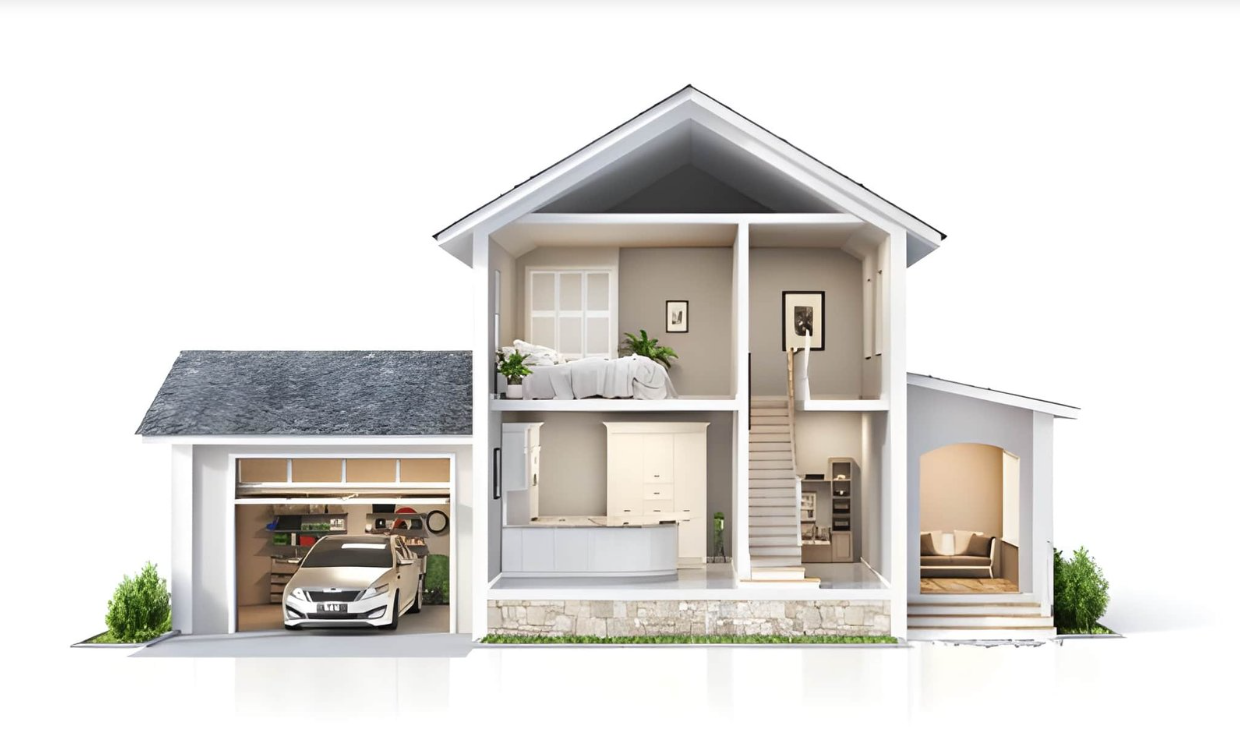
Architectural flow is like the invisible layout that guides how you move through a home. Simply put, it’s the way public spaces like the living room and kitchen connect with private areas like bedrooms, making everyday life feel seamless. For buyers exploring homes in Seattle neighborhoods, good flow can make even older homes feel modern and functional.
Good flow eliminates dead zones and awkward hallways, maximizing usable space so that every room has a clear purpose. When you’re touring homes for sale, you might not consciously notice excellent flow—but poor layouts quickly become frustrating, whether it’s dodging a bulky kitchen island or navigating a cramped corridor. Homes with well-thought-out flow often feel brighter, more open, and easier to live in.
This invisible architecture matters right now more than ever because homes are getting smaller. The NAHB reports that the average size of a new home dropped to 2,411 square feet in 2023. With less total square footage to work with, buyers must optimize every single inch through better, smarter transitions.
Creating the Ideal Layout for Modern Living
If fully open floor plans feel too noisy and traditional layouts feel cramped, the best solution for buyers is often a home with a thoughtfully updated layout. These hybrid designs take older or mid-century homes and refresh them in ways that keep their original charm while making everyday living easier.
A thoughtful update doesn’t require a full renovation. Instead, it focuses on strategic improvements that improve functionality and comfort. Widened doorways let natural light flow between rooms, pocket doors provide flexible privacy when needed, and half-walls can separate a living area from a dining space without making the home feel closed off. For anyone exploring available homes in established neighborhoods, these subtle updates can make a big difference in usability and overall appeal.
This approach preserves the historic character of older single-family homes while fixing outdated, frustrating traffic patterns. It provides the ultimate benefit: families can feel connected during the evening routine while still retreating to distinct, sound-buffered zones when they need to work or relax.
| Layout Style | Connection & Light | Acoustic Privacy | Best Suited For |
|---|---|---|---|
| Traditional (Closed) | Low | High | Segmented routines, formal entertaining |
| Fully Open Concept | High | Low | Large gatherings, constant supervision |
| Hybrid Layout | Medium-High | Medium-High | Remote workers, modern families |
Key Design Elements for Seamless Room Transitions
You don’t need a massive renovation budget to improve how a house feels. Whether you are touring a prospective new home or planning a remodel, pay attention to the specific design elements that facilitate smooth transitions.
Sightlines and Purposeful Zoning
Visual connections between rooms subtly guide our movement and make spaces feel cohesive. Aligning doorways creates clear sightlines that draw the eye naturally from one end of the house to the other. When you can stand in the kitchen and see a framed view of the backyard through the living room window, the entire house feels immediately larger.
You can also rely on “zoning” to separate spaces without building new walls. Zoning uses furniture placement, area rugs, or subtle architectural details to define a room’s purpose. A sudden shift in ceiling height, or the addition of exposed wooden beams, can clearly signal where the kitchen ends and the family room begins.
Blending Indoor and Outdoor Spaces
Modern room transitions extend well beyond the interior walls of your house. Extending the visual and physical flow to a patio or backyard makes a single-family home feel substantially larger and more inviting.
Features like sliding glass walls, oversized French doors, or matching indoor and outdoor floor materials create a seamless bridge to nature. If your kitchen’s tile floor closely matches the color and texture of your concrete patio, the eye registers the outdoor space as an extension of the house itself.
This isn’t just a niche design trick; it is a major driver in the current real estate market. The AIA Home Design Trends Survey reports a 61% increase in demand for blended indoor/outdoor living spaces among architecture firms across the country.
How Layout and Flow Impact Long-Term Resale Value
Prioritizing good flow and hybrid transitions isn’t just about improving your daily comfort. It is an incredibly smart financial decision. Homes with hybrid layouts naturally appeal to the widest possible pool of buyers because they accommodate both weekend entertainers and full-time remote workers.
Correcting awkward transitions during a remodel significantly boosts a property’s market value. Fixing a bathroom that opens directly into a kitchen, or widening a cramped entryway, removes the common objections buyers have when touring older homes. Buyers will pay a premium for a house that feels intuitive and easy to navigate.
While cosmetic updates such as fresh paint or new countertops are easy for future buyers to change, a well-planned layout is a permanent asset. It enhances the property’s appeal for anyone looking at homes for sale, providing both comfort and long-term value that lasts across market cycles.
Conclusion
The ideal home isn’t just about total square footage or high-end finishes. It’s about how thoughtfully the spaces connect and transition into one another. The way you move from your morning coffee in the kitchen to your home office dictates the rhythm of your entire day.
Hybrid layouts, particularly those found in thoughtfully remodeled mid-century homes, offer the ultimate balance of historic character, family connection, and necessary privacy. They provide the airy brightness of an open concept without sacrificing the quiet boundaries we need to focus and recharge.
As you evaluate potential homes in North Beacon Hill or plan your next renovation, look past the paint colors and staging furniture. Focus intently on the invisible architecture. By prioritizing smart room transitions, clear sightlines, and purposeful zoning, you will create a living space that beautifully supports your daily routine for years to come.