5 Common Challenges in Outdoor Lighting Projects and How to Avoid Them
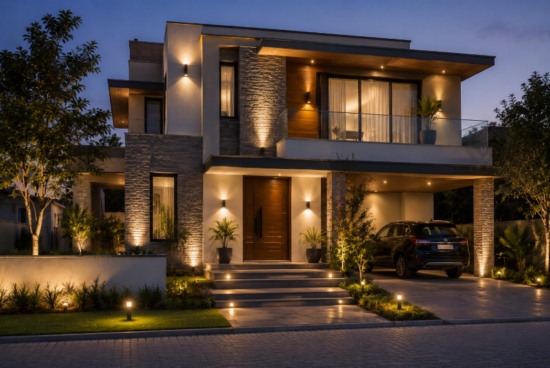
Outdoor Lighting

Outdoor lighting does much more than illuminate a space after dark. For commercial properties, hotels, public parks, office campuses, and mixed-use developments, a well-designed lighting system improves safety, enhances the appearance of the property, supports navigation, and creates a better experience for visitors.

As an engineering-grade outdoor lighting manufacturer, GCZICO understands that achieving reliable, long-lasting results involves much more than selecting attractive fixtures. Every project requires careful planning, the right products, proper installation, and consideration of long-term operating costs. Even a small oversight during the planning stage can lead to uneven lighting, expensive maintenance, or unnecessary energy consumption later.

Fortunately, many of the most common outdoor lighting problems are preventable. By understanding these challenges before installation begins, project owners, contractors, and designers can make informed decisions that improve both performance and long-term value.

1. Waiting Too Long to Plan the Lighting

One of the most common mistakes is treating outdoor lighting as one of the final items on the project checklist. When lighting is considered only after construction is nearly complete, designers have fewer options for fixture placement, cable routing, mounting locations, and electrical infrastructure.

The result is often a lighting system that works around the building instead of working with it. Contractors may need to modify finished surfaces, relocate fixtures, or install additional wiring, increasing both labor costs and project timelines.

Lighting also influences how people move through a property. Entrances, parking areas, pathways, loading zones, and gathering spaces each have different lighting requirements. Planning these areas early allows the lighting design to support the overall function of the site rather than simply adding illumination wherever space is available.

How to avoid it: Start lighting discussions during the early design phase. Define the purpose of each outdoor space before selecting fixtures. Collaborating with architects, electrical engineers, and lighting specialists early in the project helps reduce redesigns, simplify installation, and create a more cohesive final result.

2. Choosing Fixtures That Aren’t Built for Outdoor Conditions

Outdoor environments are constantly changing. Fixtures may be exposed to heavy rain, high humidity, dust, UV radiation, snow, strong winds, or corrosive coastal air depending on the project location. These conditions can quickly shorten the lifespan of products that are designed primarily for indoor use or lower-demand environments.

Water ingress, corrosion, faded finishes, and electrical failures are among the most common causes of premature fixture replacement. Besides increasing maintenance costs, equipment failures may also affect safety and leave important areas underlit until repairs are completed.

Not all outdoor fixtures offer the same level of protection. Build quality, housing materials, sealing methods, heat dissipation, and driver reliability all contribute to long-term performance.

How to avoid it: Select fixtures specifically designed for outdoor applications. Look for appropriate IP ratings, corrosion-resistant materials such as powder-coated aluminum or stainless steel, UV-resistant finishes, and manufacturers with proven quality control processes. For projects in coastal or industrial environments, choosing products tested for salt spray resistance and temperature extremes can significantly improve service life. These considerations are important regardless of the manufacturer, including companies such as GCZICO, especially for commercial projects where long-term reliability is essential.

3. Creating Uneven Lighting and Uncomfortable Glare

Installing high-quality fixtures alone does not guarantee good lighting performance. The overall layout plays an equally important role. Poor fixture spacing, incorrect beam angles, or excessive brightness can create dark areas, harsh shadows, or uncomfortable glare that reduces visibility instead of improving it.

Uneven lighting can make pedestrians feel less secure and make it harder for drivers to identify obstacles or changes in elevation. Excessive glare may also reduce visual comfort by forcing people’s eyes to constantly adjust between overly bright and darker areas.

Another factor often overlooked is light pollution. Poorly directed fixtures can send unnecessary light into neighboring properties or the night sky, affecting nearby residents and reducing overall lighting efficiency.

How to avoid it: Design lighting based on the function of each space rather than using the same fixture everywhere. Consider beam distribution, mounting height, fixture spacing, and lumen output for parking lots, building entrances, pathways, landscaped areas, and architectural features. When possible, perform lighting simulations before installation to verify illumination levels and identify potential dark spots or glare issues.

4. Focusing Only on the Initial Purchase Price

Budget is naturally an important consideration for every project, but choosing fixtures based solely on the lowest upfront price can become expensive over time.

Lower-quality products may require more frequent maintenance, replacement drivers, additional labor, or complete fixture replacement years earlier than expected. For large commercial developments with hundreds of fixtures, these costs often exceed the original savings from purchasing cheaper products.

It’s also worth considering the impact on operations. Replacing failed fixtures in hotels, shopping centers, or public spaces may require temporary closures, specialized equipment, or nighttime maintenance, all of which increase operating expenses.

How to avoid it: Evaluate the total cost of ownership instead of focusing only on the purchase price. Compare expected lifespan, warranty coverage, energy consumption, maintenance requirements, and replacement frequency. Investing in durable LED fixtures with proven reliability often delivers lower lifetime costs while reducing disruptions throughout the project’s lifespan.

5. Overlooking Energy Efficiency and Smart Controls

Outdoor lighting operates for thousands of hours each year, making energy efficiency one of the biggest factors influencing long-term operating costs.

Many older systems continue running at full brightness throughout the night, even when areas are unoccupied. This not only wastes electricity but also increases maintenance by shortening component lifespan.

Today’s lighting technology offers much greater flexibility. Smart control systems can automatically adjust lighting levels based on occupancy, schedules, daylight conditions, or special events. Some systems even allow remote monitoring, making it easier to identify maintenance issues before they become larger problems.

How to avoid it: Combine energy-efficient LED fixtures with controls such as photocells, timers, motion sensors, dimming systems, or centralized smart lighting management platforms. These technologies help reduce electricity consumption, extend fixture life, and improve operational efficiency while maintaining safety and visibility. For larger developments, smart controls can also provide valuable usage data that supports future energy-saving initiatives.

Small Decisions Early Can Prevent Bigger Problems Later

Successful outdoor lighting projects are rarely the result of a single product choice. They are built on careful planning, thoughtful design, quality equipment, and a long-term perspective that considers maintenance, energy use, and future performance.

By addressing these five common challenges early, project owners can reduce unexpected costs, improve safety, minimize maintenance, and create outdoor spaces that remain attractive and functional for years to come.

Whether working with GCZICO or another outdoor lighting manufacturer, the same principles apply. Prioritizing quality, selecting products suited to the environment, and designing lighting around the needs of the space will deliver better results throughout the life of the project. For larger commercial developments, partnering with a manufacturer that offers technical support, lighting design assistance, and consistent product quality can also help simplify project execution and improve long-term reliability.

Similar Posts