How to Decorate a Small Living Room Without Clutter
Small living rooms are common in many homes across the United States, especially in apartments, condos, older houses, and busy city neighborhoods where space is limited. A small space doesn’t have to be cramped or uncomfortable. With a simple layout, smart storage, and a few careful design choices, it can feel warm, open, and easy to live in.
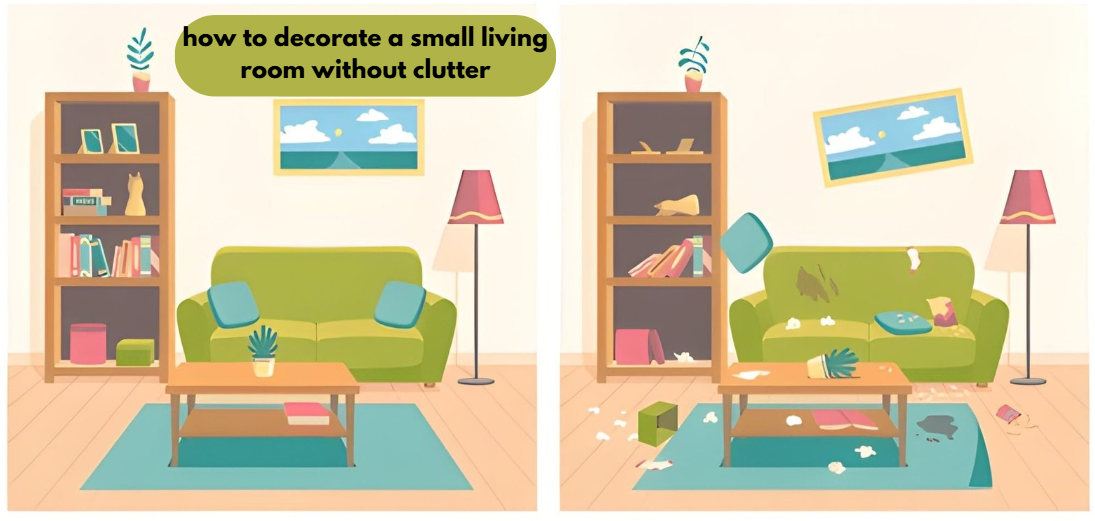
Most of the time, a room starts to feel crowded when there is too much furniture, extra decor, or everyday clutter taking up space. Even a well-styled living room can lose its comfort when it feels packed and there is nowhere for the eye to rest.
Learning how to decorate a small living room without clutter starts with paying attention to how the room feels instead of trying to copy a perfect setup from social media. Colors, lighting, furniture size, and storage choices all affect how open or cramped a room appears. The objective is not to clear the area of everything. The goal is to make the room feel calm, functional, and enjoyable to spend time in every day.
This guide shares realistic ideas that work in actual homes. You will learn how to arrange furniture, use lighting, add storage, and decorate your living room in a way that feels open without losing warmth or personality.
Why Small Living Rooms Feel Cluttered So Quickly
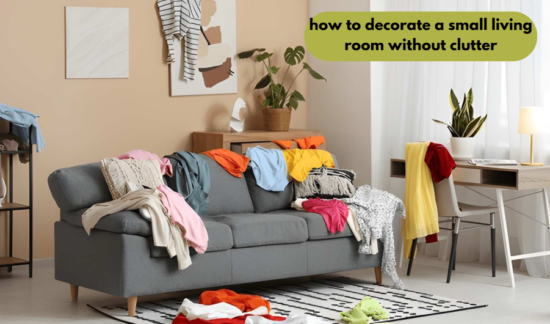
Small rooms can start feeling crowded much faster than larger ones. A few extra items on tables or shelves can drastically alter the room’s atmosphere. Interior design experts often point out that clutter usually comes from oversized furniture, poor layouts, and too many visible items sitting out in the open.
Attempting to fit too much into one space is one of the most common blunders people make. A large sectional sofa may feel comfortable in a furniture showroom, though in a compact living room it can take over the entire area. Filling every wall with decor can create the same problem. Small spaces need moments of openness. Empty areas help the room breathe and make everything feel less heavy.
Many living rooms now serve several purposes at once. The same room often has to do a lot of jobs at once. People relax there, work there, watch TV, store things, and sometimes even eat meals there. When there is no clear setup, it does not take long for everything to pile up and the space starts to feel a bit overwhelming.
Understanding how to decorate a small living room without clutter means thinking about daily life first. Every piece in the room should have a reason for being there. That does not imply that the space must have a simple appearance. It just means the space should support the way you actually live.
A simple habit that helps is editing the room regularly instead of constantly adding more decor. If something does not fit your daily routine anymore or just sits there without a real use, taking it out usually makes the room feel lighter right away.
A room also feels more relaxed when storage matches how you actually live day to day instead of working against your habits. If blankets always end up on the sofa, placing a basket nearby makes sense. If remotes constantly collect on the coffee table, a small tray can keep them organized. Some homeowners even browse ideas on decoratoradvice com when searching for simple ways to make smaller spaces feel more comfortable.
Choose Furniture That Fits the Room Properly
Furniture size has a huge effect on how spacious a living room feels. One oversized piece can make the entire room look crowded, even when everything else is organized.
When learning how to decorate a small living room without clutter, start with the sofa since it is usually the largest item in the room. Sofas with slim arms, visible legs, and lower backs often work better in smaller spaces because they feel visually lighter. Being able to see some floor underneath furniture helps the room feel more open.
Round coffee tables are often easier to work with in compact rooms because they improve movement around the space. Nesting tables can also help because they tuck away easily when not being used.
Furniture that serves more than one purpose can make a big difference in smaller homes. Storage ottomans provide seating while hiding blankets, books, or games inside. Coffee tables with hidden storage can reduce the amount of clutter sitting out in the open.
Furniture placement matters just as much as furniture size. Many people push every item directly against the wall thinking it will make the room feel bigger. In reality, leaving a little breathing room between furniture and walls can improve the flow of the room.
Another detail people often overlook is negative space. Not every corner needs to be filled. A little open space around furniture makes the room feel calmer and easier to move through.
Instead of adding several accent chairs or side tables, focus on a few pieces that truly work well in the space. Many upgrading tips decoradhouse recommend slowly replacing bulky furniture over time rather than trying to redesign the room all at once.
Use Vertical Space Instead of Filling the Floor
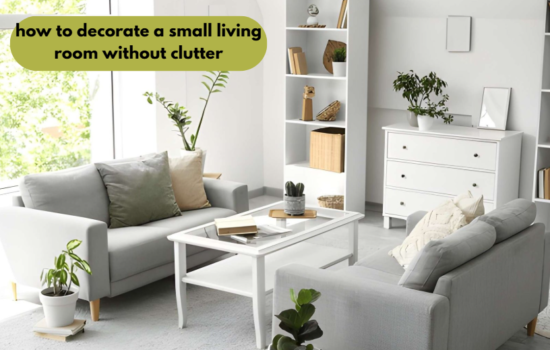
When floor space is limited, using the walls becomes much more important. Vertical storage helps keep the room organized without making walkways feel tight or crowded.
Tall bookshelves naturally draw the eye upward and can make ceilings appear taller. Floating shelves are another great option because they provide storage while keeping the room visually lighter than heavy cabinets.
The key is not overcrowding shelves with too many small objects. A few meaningful items usually look much better than shelves packed with decorations. Grouping similar colors or textures together also helps shelves feel more organized.
A cleaner layout and more table space can be achieved with wall-mounted lighting. Large entertainment centers that occupy valuable floor space are less necessary when televisions are mounted.
Many small living room storage ideas focus only on hidden storage, though open storage can look beautiful when styled with restraint. Decorative baskets and closed boxes can help hide everyday items while still keeping the room warm and inviting.
In many American apartments, renters avoid permanent shelving because they do not want to damage the walls. Leaning ladders, open shelves, and simple hooks that can be moved or removed are easy ways to add storage without making big changes to the room.
One small design trick that works surprisingly well is hanging curtains higher than the window frame. As a result, the room appears taller and the eye is drawn higher.
Vertical design helps guide the eye through the room and keeps the floor from feeling crowded. Some layouts shared by decoratoradvice .com partners focus heavily on vertical storage because it works especially well in smaller apartments and older homes.
Keep the Color Palette Calm and Cohesive
A room’s atmosphere can be drastically altered by color. Soft neutrals, warm whites, light grays, and earthy shades are popular in smaller living rooms because they reflect light and create a softer atmosphere.
That does not imply that the space must be dull or uninteresting. A calm color palette still leaves room for personality. Many well-designed small living rooms use just two or three main colors repeated throughout the space.
Warm whites usually feel softer and more welcoming than bright stark whites. Bright white walls can sometimes feel a bit cold, especially when the lights are on at night. Softer colors usually feel more comfortable and easy on the eyes.
When applied properly, darker hues can still be effective in small spaces. Shades like deep green, navy, or warm brown can make the space feel more calm and grounded, not cramped.
Patterns are better when you keep them simple. One rug with a pattern or a couple of textured cushions is usually enough. Too much at once can start to feel busy.
It helps when everything in the room feels connected. When the walls, furniture, and small decor share similar tones, the space naturally feels calmer. This matters a lot in small living rooms where too many mixed colors can make things feel messy.
Natural materials also make a difference. Wood, linen, cotton, and woven textures tend to soften the space without making it feel heavy.
Use Lighting to Make the Room Feel Bigger
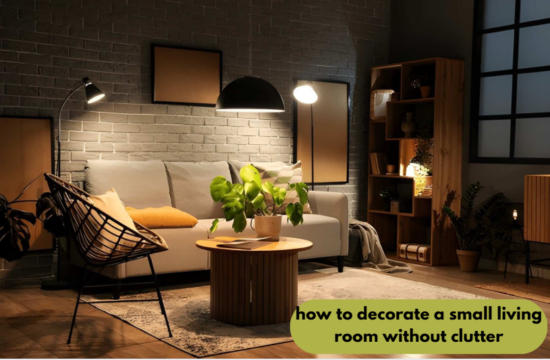
The way a room is lit greatly affects how large or small it feels. A single bright ceiling light often makes everything look flat and harsh. Using a few different light sources works better.
A floor lamp can brighten darker corners. Table lamps near seating areas add a softer feel. Without taking up any room, wall lights can also be helpful.
Natural light should be kept as open as possible. Heavy curtains can make a room feel closed in, especially during the day. Lighter curtains or simple shades let more light in while still keeping privacy.
Mirrors can help too. If you place one near a window, it reflects light back into the room and makes the space feel a little more open.
Warm light usually feels better in living rooms than very bright white light. It makes the space feel more relaxed, especially in the evening.
One mistake people often make is using several tiny decorative lamps. A single medium-sized lamp with a clean shape usually looks much more balanced in a small room. Some decoration tips decoradhouse from decoratoradvice focus on these small lifestyle changes because they make a room easier to maintain without making it feel overly styled.
Decorate With Intention Instead of Filling Every Corner
Decor should add comfort and personality without making the room feel busy. Many cluttered living rooms contain too many tiny decorative objects spread across shelves and tables.
Larger decor pieces often work better than many smaller accessories. One oversized art piece can create more impact than several small frames crowded together.
Plants are another easy way to soften a small living room. A single taller plant in the corner can make the space feel fresher without adding clutter.
Trays are actually pretty helpful in small living rooms. They keep smaller things like candles, books, or remotes in one place, so the surface does not look messy.
Personal items also make a big difference. A room usually feels more welcoming when it feels lived in, not like something staged for a photo. Small personal things make that difference. Family photos, books you actually pick up, a few travel keepsakes, or simple artwork can all make the space feel more natural.
It also helps not to fill every surface. Leaving a bit of space here and there makes the room feel less crowded and easier on the eyes.
In the end, decorating a small living room is less about trends and more about comfort. The space feels better when it matches your real life, not when every corner looks perfectly arranged.
Conclusion
A small living room does not need to feel tight or overwhelming. With a few simple choices, even a compact space can feel open, calm, and easy to spend time in.
Learning how to decorate a small living room without clutter is really about balance. Choose furniture that fits the room properly. Use vertical storage to free up floor space. Keep colors calm and connected. Bring in lighting that makes the room feel brighter and softer. Most importantly, decorate in a way that supports your daily routine instead of overwhelming it.
Real homes work best when they feel easy to live in. Sometimes the smallest changes create the biggest difference. Taking out even one large piece of furniture can change how the whole room feels. Better storage or just clearing off busy surfaces can also make the space feel lighter almost right away.
A clutter-free living room is not about making everything look perfect. It is more about having a space that feels calm, useful, and easy to live in every day.