How Real Estate Investors Are Using Interior Design to Maximise Rental Income
Real estate investors have always focused on numbers. Purchase price, renovation costs, rental yield, and resale value often drive every decision. But in today’s rental market, another factor is becoming just as important: interior design. Investors are discovering that smart design choices do more than make a property look attractive. They increase occupancy, justify higher rents, reduce vacancy periods, and improve tenant satisfaction.
The rental market has changed. Tenants now compare listings online before ever stepping inside a property. A well-designed apartment stands out immediately. Bright lighting, clean layouts, and modern finishes create emotional appeal. A poorly presented property, even in a strong location, may struggle to attract attention. According to industry observations, professionally designed rental spaces often command rental premiums between 10 and 20 percent depending on the market.
Interior design is no longer seen as cosmetic spending. It is becoming an investment strategy. Real estate owners now think like hospitality brands. They ask how a space feels, not just how many square feet it offers. The goal is to create an environment tenants value enough to pay more for while keeping long-term maintenance practical and efficient.
First Impressions Drive Faster Leasing
Most rental decisions begin online. Potential tenants scroll through dozens of listings quickly. Photos determine whether they click or move on. That makes visual presentation critical.
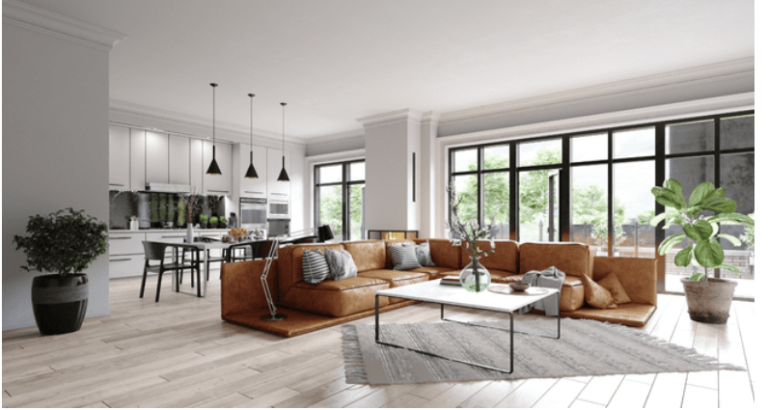
A fresh coat of paint, coordinated furnishings, and improved lighting can transform a listing’s performance. Neutral tones appeal to broader audiences. Mirrors create a sense of space. Layered lighting makes rooms feel warm and functional. These relatively simple upgrades can significantly improve perceived value.
Carl Fanaro, CEO of NOLA Buys Houses, has seen this shift firsthand. “After buying over a thousand homes, I learned that presentation changes everything. A property with smart updates rents faster because people imagine themselves living there immediately. I focus on practical improvements that create emotional impact without overspending. Good design turns hesitation into action.” His long experience in property investment highlights the importance of first impressions.
Short-term rental operators understand this especially well. Guests often choose based on visual appeal alone. But long-term tenants behave similarly. A property that feels modern and cared for communicates reliability. That confidence can shorten vacancy periods and increase retention.
Investors who ignore design often lose money through longer vacancy times. A property sitting empty for even one extra month can erase savings from skipping aesthetic improvements.
Designing for Durability and Long-Term Value
Good rental design is not about expensive decoration. It is about smart material choices. Investors must balance style with durability. High tenant turnover can create wear and tear, so surfaces must withstand daily use.
Joseph Melara, Chief Operating Officer at Truly Tough Contractors, emphasizes this practical mindset. “I always tell investors that design should support performance, not just appearance. Beautiful spaces fail if materials cannot handle real life use. We focus on finishes that look strong, last longer, and reduce maintenance costs. Smart design combines aesthetics with operational efficiency.” His experience across construction and modernization makes this perspective highly relevant.
Luxury vinyl flooring, washable paint, durable countertops, and quality fixtures often outperform cheaper alternatives over time. Although initial costs may be higher, replacement frequency drops significantly. Investors save on repairs while maintaining a polished appearance.
Open floor plans also help maximize usability. A small apartment that feels open often rents better than a larger but poorly divided space. Flexible layouts appeal to more tenant profiles, from young professionals to small families.
Lighting remains one of the most overlooked design tools. Replacing outdated fixtures with modern, energy-efficient lighting improves mood and lowers utility costs. This creates both emotional and financial value.
Financing Improvements That Increase Returns
Many investors hesitate to invest heavily in design upgrades because of budget concerns. However, strategic financing can make these projects achievable and profitable.
Edward Piazza, President of Titan Funding, explains how investors should think about capital. “The smartest investors do not see renovation funding as a cost. They see it as a growth lever. I work with borrowers who improve rental performance significantly through targeted upgrades. When design increases rent and occupancy, financing becomes a strategic tool rather than a burden.” His background in commercial lending reflects how capital deployment shapes returns.
Bridge loans and short-term financing often help investors move quickly on value-add opportunities. Instead of delaying improvements, they act while market demand remains strong. Timing matters, especially in competitive rental markets.
For example, an investor who spends $25,000 upgrading kitchens, bathrooms, and finishes may increase monthly rent by several hundred dollars. Over time, that higher income offsets financing costs while improving property valuation.
The key is disciplined planning. Investors should prioritize upgrades with measurable return potential rather than purely cosmetic spending without market relevance.
Creating Lifestyle Appeal, Not Just Housing
Modern tenants increasingly rent based on lifestyle aspirations. Interior design helps properties communicate identity. A minimalist urban apartment attracts different tenants than a warm family-oriented home.
Design choices shape emotional response. Soft textures, functional workspaces, and clean storage solutions make properties feel intentional. Since remote work became more common, dedicated workspace design has become especially valuable.
Carl Fanaro reinforces this emotional aspect. “People do not just rent walls and floors. They rent a feeling. I have seen modest homes outperform larger properties simply because they felt inviting. Design helps tenants picture their routines, not just the square footage.” His insight reflects the psychology behind tenant decision-making.
Furnished rentals benefit even more from lifestyle-focused design. Matching décor, curated layouts, and hospitality-inspired details increase perceived professionalism. This is especially useful in furnished mid-term and short-term rental markets.
Even simple upgrades such as blackout curtains, attractive shelving, or improved storage can create stronger appeal. The goal is not luxury for its own sake. It is thoughtful functionality.
Reducing Vacancy Through Better Tenant Experience
Rental income depends on occupancy consistency. High turnover creates cleaning, marketing, and repair costs. Design can improve tenant satisfaction and encourage longer stays.
Joseph Melara highlights this connection clearly. “Retention improves when tenants feel comfortable in well-designed spaces. Functional layouts, durable finishes, and efficient systems reduce frustration. Good design is not decoration. It improves daily experience, and that affects long-term occupancy.” His operational perspective shows how design impacts profitability beyond first impressions.
Noise reduction also matters. Better insulation, upgraded windows, and thoughtful room layouts improve quality of life. Small frustrations often push tenants to leave sooner than expected.
Storage is another major differentiator. Well-designed closets, kitchen organization, and practical shelving increase usability dramatically. Tenants often pay more for spaces that feel organized and efficient.
The most successful investors think beyond acquisition and leasing. They focus on tenant experience over the full rental lifecycle.
Conclusion: Design as an Investment Strategy
Interior design is no longer optional for serious rental investors. It has become a measurable business strategy. Strong design increases listing appeal, shortens vacancy periods, improves tenant retention, and supports higher rental pricing.
Carl Fanaro shows how emotional presentation accelerates leasing. Edward Piazza demonstrates how financing enables profitable upgrades. Joseph Melara proves that durable, functional design protects long-term returns.
The key takeaway is simple. Real estate investing is not just about buying the right property. It is about shaping that property into something tenants genuinely value. Thoughtful design transforms ordinary spaces into income-producing assets.
Investors who embrace this mindset will likely outperform those who treat design as an afterthought. In competitive rental markets, presentation, function, and experience directly influence profitability. Good design does not just improve how a property looks. It changes how it performs.