
How to Restore Traditional Sash Windows Without Losing Their Character
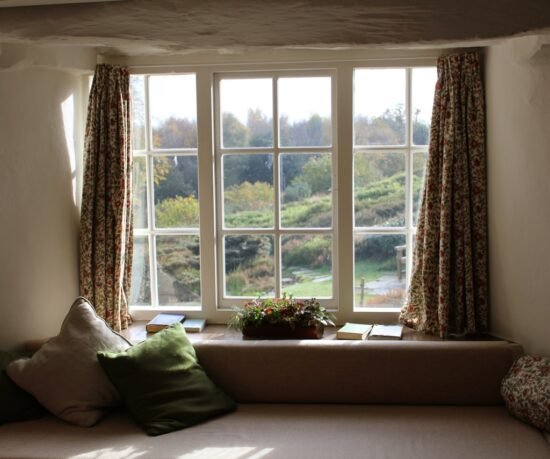
Traditional sash windows are one of the defining features of many older British homes. They can add charm, character and architectural value to a property, particularly in Victorian, Edwardian and Georgian buildings. However, windows that have been in place for several decades often require maintenance or restoration.
Over time, timber can deteriorate, cords can break, pulleys can become worn and layers of paint can make the window difficult to operate. In some cases, homeowners may be tempted to replace the entire window with a modern alternative. While this can sometimes be the right solution, restoration is often worth considering first.
A carefully restored sash window can retain the appearance of the original property while becoming much easier and safer to use.
Why restore traditional sash windows?
Replacing old windows is not always necessary.
Traditional sash windows were designed to be repaired. Many of their individual components can be removed, replaced or refurbished without replacing the complete frame.
This makes restoration particularly attractive for period properties where preserving the original architectural character is important.
Original timber windows can also have qualities that are difficult to reproduce with modern replacements. The proportions, glazing bars, timber profiles and details contribute to the appearance of the building as a whole.
For homeowners carrying out renovations, keeping these details can make a significant difference to the finished result.
Start by inspecting the existing window
Before beginning any restoration work, it is important to establish the actual condition of the window.
The first inspection should cover the timber frame, the opening sections, glazing, cords, pulleys and other hardware.
Look for signs of:
- rotten timber,
- cracked or damaged wood,
- excessive layers of paint,
- loose joints,
- broken sash cords,
- worn pulleys,
- damaged catches,
- gaps around the frame,
- draughts,
- condensation,
- difficulty opening or closing the sashes.
Not every problem requires the same solution. A window with a broken cord may only require a relatively simple repair, while extensive timber deterioration may require more substantial work.
Dealing with old paint
One of the most common problems with older sash windows is the accumulation of paint.
Over many years, several coats may have been applied to the frame and moving sections. Paint can build up around the edges of the sashes and restrict their movement.
In severe cases, the window may become almost impossible to open.
Removing excess paint can restore some of the original movement, but care should be taken when working on old timber. Aggressive sanding or unsuitable tools can damage profiles and decorative details.
The aim should be to remove unnecessary layers while preserving as much of the original material as possible.
Check the sash cords
The cord system is essential to the traditional sash window mechanism.
The moving sections of the window are connected to cords that run through pulleys and are attached to counterweights. This system allows the sash to move vertically while remaining balanced.
If a cord breaks, the window may suddenly become much heavier to operate. The sash can drop unexpectedly or become difficult to keep in an open position.
Old cords should therefore be inspected carefully during restoration.
If they show signs of significant wear, replacing them before they fail completely can prevent a more inconvenient repair later.
The importance of the counterbalance system
A traditional sash window relies on a carefully balanced mechanism.
The counterweights hidden inside the frame work against the weight of the moving sash. When the system is correctly balanced, the window should move relatively smoothly and remain in position when opened.
If the balance is incorrect, the sash may fall, rise unexpectedly or require excessive force to move.
This is why replacement components need to be selected according to the particular window rather than simply choosing a random size.
The weight of the sash, the configuration of the window and the condition of the surrounding mechanism all need to be considered.
Replacing worn components
Restoration can involve replacing individual components rather than the entire window.
Depending on the condition of the window, this may include sash cords, pulleys, fasteners, lifts, seals or other hardware.
Replacing worn parts can make a significant difference to the everyday use of the window.
It can also be more economical than replacing a complete window, particularly when the original timber remains in good condition.
Before purchasing replacement components, homeowners should measure the existing parts carefully and check that the new components are appropriate for the window.
Improving draught protection
Older sash windows can sometimes suffer from noticeable draughts.
Small gaps around the moving sections of the frame can allow cold air to enter the property. This can make rooms less comfortable and increase the amount of energy required for heating.
Modern draught-proofing systems can improve the situation without completely changing the appearance of the original window.
The key is to use a solution that works with the existing design rather than covering or damaging the traditional features.
A properly fitted draught-proofing system can make an old window considerably more comfortable while preserving its character.
Repairing rather than replacing timber
Timber deterioration does not necessarily mean that the entire window has to be removed.
Small areas of damaged wood can sometimes be repaired, provided that the surrounding structure remains sound.
The damaged section needs to be assessed carefully. Any underlying cause of the deterioration should also be addressed. For example, persistent moisture can lead to further problems if it is not dealt with.
Where sections of timber do need replacing, matching the existing material and profile can help maintain the original appearance.
This is particularly important in period properties where modern replacement profiles may look noticeably different from the original windows.
Glass and glazing considerations
The condition of the glass should also be assessed during restoration.
Older windows may have original panes containing imperfections that are characteristic of historic glass. These details can contribute to the appearance of a period property.
If a pane is broken, replacing only the damaged glass may be preferable to replacing the entire sash.
Where improvements to thermal performance are required, the available options should be considered carefully. The chosen solution needs to be compatible with the existing frame and appropriate for the character of the property.
Should every sash window be upgraded?
There is no universal solution.
Some windows may require only minor maintenance, while others may need a more comprehensive restoration.
The decision should depend on the condition of the timber, the quality of the existing frame, the functionality of the mechanism and the requirements of the property.
A window that is structurally sound may have many years of useful life remaining even if its cords, pulleys and hardware are worn.
In contrast, extensive structural deterioration may make replacement or major reconstruction more appropriate.
This is why a proper inspection should come before making a final decision.
Preserving character during a home renovation
Renovating a period property often involves finding a balance between modern comfort and traditional appearance.
Homeowners may want better draught protection, easier operation and improved energy performance without removing the features that make the property distinctive.
Traditional sash windows can be part of that balance.
Instead of treating an old window as something that automatically needs to be replaced, restoration allows homeowners to preserve the original design while improving its practical performance.
The same principle can apply to other architectural features, including doors, fireplaces, mouldings, flooring and original ironmongery.
Choosing suitable replacement parts
The quality of replacement components can have a direct impact on the result of a restoration project.
Components should be suitable for the type and size of the window. Measurements are particularly important when replacing parts that affect the balance or movement of the sash.
For example, replacement sash weights need to correspond appropriately with the weight of the moving window section. Using an unsuitable component can make the window difficult to operate and may place additional strain on the cords and pulleys.
This is one reason why measuring the existing window carefully before ordering replacement parts is so important.
Maintenance after restoration
Restoration should not be considered a one-time task.
Regular maintenance can help prevent small problems from developing into expensive repairs.
Homeowners should periodically check that:
- the sashes move smoothly,
- cords remain in good condition,
- pulleys operate correctly,
- paint is not restricting movement,
- timber remains protected,
- water is not entering around the frame,
- locks and fasteners work properly.
Problems identified early are generally easier to resolve than damage that has been allowed to develop for years.
A simple inspection can therefore save time and money in the long term.
When professional help is worthwhile
Some sash window repairs are suitable for experienced DIY homeowners, particularly when the problem is minor and the construction of the window is well understood.
More complicated restoration work may require professional assistance.
This is especially true when dealing with significant timber deterioration, damaged frames, difficult-to-access components or windows in listed and historically important properties.
Professional restoration can also be worthwhile when several components need replacing at the same time. An experienced specialist can assess the entire mechanism rather than treating each problem separately.
A practical approach to sash window restoration
The best restoration projects usually begin with a careful assessment rather than immediately purchasing replacement parts.
First, determine the condition of the timber and identify the problems affecting the mechanism. Next, establish which components can be repaired and which need replacing.
Measurements should then be taken before ordering new parts.
Once the necessary repairs have been completed, the window can be tested and adjusted. Draught-proofing, repainting and other finishing work can follow once the mechanism is operating correctly.
This staged approach reduces the risk of carrying out unnecessary work.
Final thoughts
Traditional sash windows can remain an attractive and functional part of a property for many years when they are properly maintained.
Restoration does not have to mean returning a window to exactly the condition it was in decades ago. Instead, it can combine preservation of original features with carefully selected improvements that make the window easier to operate and more suitable for modern living.
For homeowners renovating older properties, understanding the construction of the window and assessing each component individually can help avoid unnecessary replacement.
With the right approach, an original sash window can retain its character while providing reliable everyday performance for many more years.