
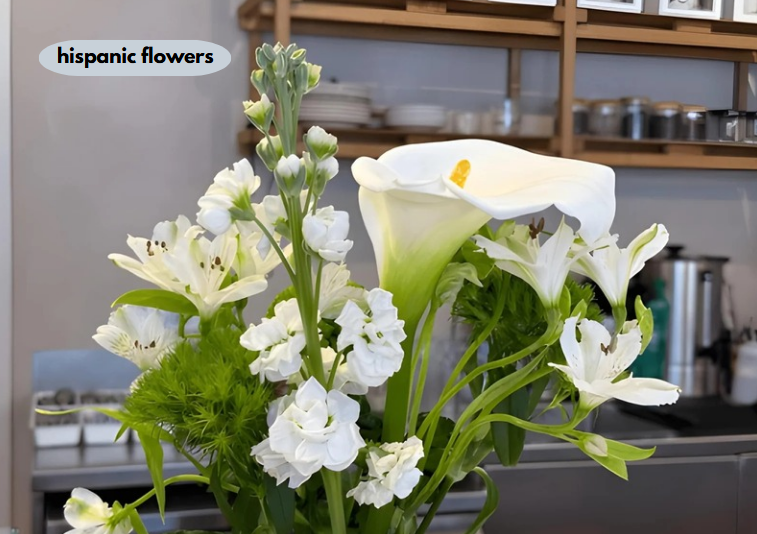
Hispanic Flowers Decor Tips: Easy Ways to Add Latin Charm to Any Room
Hispanic flowers such as dahlias, marigolds, bougainvillea, zinnias, and calla lilies bring Latin charm to a room through saturated color, terracotta or Talavera containers, and grouped, abundant arrangements. Choose one hero bloom, pair it with warm earthy materials, and place it where natural light hits it.
Key Takeaways
- Dahlias, marigolds, zinnias, cosmos, tuberoses, and poinsettias are all native to Mexico, which makes them the most authentic choices for Latin-style rooms.
- Calla lilies come from southern Africa, yet they became a Mexican art symbol through the paintings of Diego Rivera.
- The container matters as much as the bloom, because terracotta, Talavera pottery, copper, and painted tin signal Latin style at a glance.
- Groups of three or five arrangements look fuller and more natural than one centered vase.
- Paper and dried flowers carry the same bright palette into rooms with low light, pets, or tight budgets.
What Are Hispanic Flowers?
Hispanic flowers are blooms native to, or culturally rooted in, Mexico, Central America, South America, the Caribbean, and Spain, and used in celebrations, home altars, courtyards, and everyday tables.
The term describes cultural use, not a botanical family. A flower qualifies through tradition, which is why the South African calla lily belongs on the list while many native wildflowers do not.
Which Hispanic Flowers Work Best for Home Decor?
Dahlias, cempasúchil marigolds, and zinnias work best for most rooms because they are bold, easy to find, and last well in a vase. Add tuberose for scent and calla lilies for height.
| Flower | Cultural tie | Best spot | Light | Care note |
| Dahlia | National flower of Mexico | Dining table, entry console | Bright, indirect | Recut stems every two days |
| Cempasúchil marigold | Día de Muertos ofrendas | Doorway, mantel, altar | Bright to direct | Sheds petals, so set a tray underneath |
| Zinnia | Native Mexican garden flower | Kitchen windowsill | Direct sun | Keep leaves out of the water |
| Bougainvillea (potted) | Courtyard and patio vine | Sunroom, balcony | Full sun | Water only when the top inch of soil is dry |
| Tuberose (nardo) | Weddings and church altars | Bedroom, powder room | Indirect | Strong scent, so use three stems at most |
| Calla lily | Diego Rivera’s paintings | Narrow console, office | Indirect | Cut in shallow water to avoid splitting |
| Poinsettia (Nochebuena) | Christmas season in Mexico | Living room corners | Bright, indirect | Keep away from drafts and heat vents |
Dahlias deserve first place. Mexico is home to 43 dahlia species, and 35 of them grow wild nowhere else, El Imparcial reported in 2026. With that range, you can pick small pompon dahlias for the kitchen and dinner-plate ones for the dining table and keep one flower family running through your home.
Flower meaning should guide your decoration tips for this style. Orange marigolds honor memory, white tuberoses mark weddings and church feasts, red roses belong to the Virgin of Guadalupe, and red poinsettias signal Christmas. Matching each bloom to its meaning keeps a display respectful when guests know the tradition.
How Do You Arrange Latin Flowers So the Room Feels Authentic?
Start with the container, build in odd numbers, and repeat one bold color three times across the room. Those three moves matter more than buying expensive stems.
- Pick a hero color from something already in the room, such as a rug, tile, or throw pillow.
- Choose a vessel with Latin character: Talavera, unglazed terracotta, black barro clay, hammered copper, or painted tin.
- Cut each stem at a sharp angle and strip every leaf that would sit below the waterline.
- Build arrangements in groups of three or five, using different heights within each group.
- Echo the hero color in two other places, such as a candle, a bowl of limes, or a striped blanket.
- Add one handmade texture, like woven palm, embroidered linen, or a strand of papel picado.
How Should You Light Latin Floral Displays?
Use warm light and real sun. Warm lumination from 2700K bulbs makes oranges and magentas glow at night, while cool white bulbs flatten them.
Two home hacks extend vase life: keep arrangements at least a few feet from fruit bowls, which release ripening gas, and move them off sunny sills overnight in summer.
What Mistake Makes Latin Decor Look Like a Theme Party?
Stacking too many symbols is the most common mistake. It happens when shoppers buy a full fiesta aisle at once, so sombreros, piñatas, and cactus figurines compete with the flowers.
The fix is fewer objects, not more. Allow one cultural piece per surface, such as a single Talavera plate or a small tin mirror, and let the flowers carry the color.
How Many Stems Does One Room Need?
A typical living room needs 20 to 25 stems across three display points. These decor tips use a 14-by-16-foot living room with a coffee table, an entry console, and a front window.
One classic decoratoradvice rule holds that an arrangement should stand 1.5 to 2 times the height of its vase. Here is how the math works for each spot:
- Coffee table: A 6-inch-wide bowl has an opening of roughly 28 square inches (3 × 3 × 3.14). A 3-inch dahlia face covers nearly 7 square inches, so 4 blooms fill it flat. A domed shape needs roughly 1.5 times that coverage, which means 6 dahlias plus 4 marigolds to fill gaps. A 4-inch-tall bowl keeps the finished piece under 8 inches, low enough to talk across.
- Entry console: A 10-inch cylinder supports an arrangement 15 to 20 inches tall. Seven calla lilies give height without crowding the narrow opening.
- Front window: Three bud vases with 2 zinnias each add 6 stems and repeat the hero color in sunlight.
The total is 23 stems. Buy by stem count rather than by bunch, because bunch sizes vary from store to store.
When Should You Change Your Latin Flower Displays?
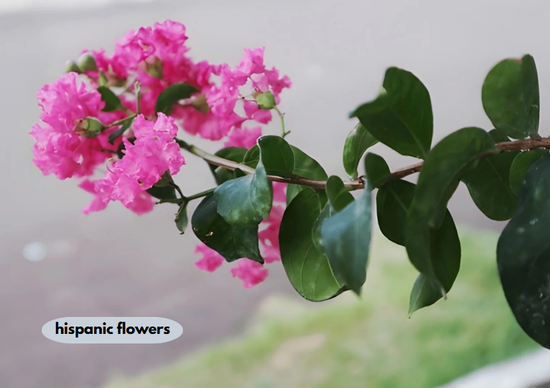
Change displays with the Latin calendar: marigolds for late October, poinsettias for December, and zinnias or bougainvillea through summer. Matching the season keeps the look rooted in tradition instead of costume.
- September 15 to October 15: Hispanic Heritage Month suits dahlias in mixed jewel tones.
- Late October to November 2: Cempasúchil marigolds lead Día de Muertos displays.
- December 12 to January 6: Roses for the Virgin of Guadalupe, then poinsettias through Three Kings Day.
- May through August: Zinnias, cosmos, and potted bougainvillea fill patios and sills.
Learn what each holiday is about before you decorate for it. Día de Muertos honors family members who have died, so its displays feel warm and personal, while Las Posadas and Three Kings Day celebrate the Christmas story with candles, red flowers, and evergreens.
Hispanic residents made up 21% of the U.S. population as of July 1, 2025, the U.S. Census Bureau noted in its 2026 Hispanic Heritage Month release. For hosts, that means many guests will recognize an ofrenda or a Nochebuena centerpiece on sight, so keep traditional pieces accurate rather than improvised.
Where Can You Buy Hispanic-Style Flowers in the U.S.?
Supermarkets, Mexican mercados, farmers markets, and seed packets cover almost every flower on the list. Specialty florists are only necessary for tuberose and large dahlias outside late summer.
Colombia supplies roughly 60% of the flowers sold in the United States, according to the USDA Foreign Agricultural Service. The carnations, roses, and alstroemeria in an ordinary grocery bucket are therefore usually Latin American-grown already, so you can build the base of an arrangement cheaply and spend on one focal stem.
For anyone typing “how can I upgrade my home cheaply” into a search bar, the fastest answer is a packet of zinnia seed sown in May. Zinnias and cosmos bloom from seed in roughly two months and keep producing cut flowers until frost.
At the store, choose dahlias that are already mostly open, because their buds rarely open further once cut. Pick marigolds with firm, upright heads and zinnias with stiff necks just below the bloom, since a soft neck means the stem is past its prime.
When Does the Usual Advice Not Apply?
Homes with cats or a family ofrenda need different rules. Calla lilies and poinsettias irritate pets that chew them, so cat owners should switch to paper flores de papel and dried marigolds in the same colors. In households that reserve cempasúchil for honoring the dead, marigolds do not belong in a birthday centerpiece; use orange dahlias or zinnias instead.
Frequently Asked Questions
What flowers are traditional in Mexican homes?
Dahlias, marigolds, tuberoses, zinnias, and poinsettias are the most traditional flowers in Mexican homes. Each one ties to a season or celebration, from summer gardens to Christmas.
What is the Mexican marigold called, and when is it used?
Cempasúchil is the Mexican marigold, and you’ll mostly see it during Día de Muertos, from late October right through November 2. Families lay their petals in paths to guide spirits to the ofrenda.
Are paper flowers a good substitute for real blooms?
Yes, paper flowers are a traditional Mexican craft and a fully authentic substitute. They last for years, cost little, and suit homes with pets or poor light.
What colors go with Latin floral decor?
Marigold orange, magenta, cobalt blue, and turquoise pair best with Latin floral decor. Balance them with neutral clay, warm wood, and white walls so the flowers stay the focus.
How do I keep dahlias fresh longer?
Recut dahlia stems every two days and change the water each time. Keep them out of direct afternoon sun and away from fruit to stretch their vase life.
Conclusion
Hispanic flowers turn any room warmer because each stem carries color, history, and celebration at once. Pick one hero bloom, set it in clay or Talavera, and echo its color twice more. That simple formula adds real Latin charm in under an hour.