
How to Clean Portable Solar Panels Without Damaging Them
Disconnect the panel, let it cool, and clean the generating surface with a soft cloth lightly dampened with clean water. Remove loose grit before wiping, keep electrical connectors dry, and allow the panel to dry before folding it into its case.
Portable panels need a gentler approach than washing a vehicle or patio. Their surface coatings, seams, and folding sections are part of the working equipment. The aim is to remove material blocking the light without scratching the surface or forcing water into connections.
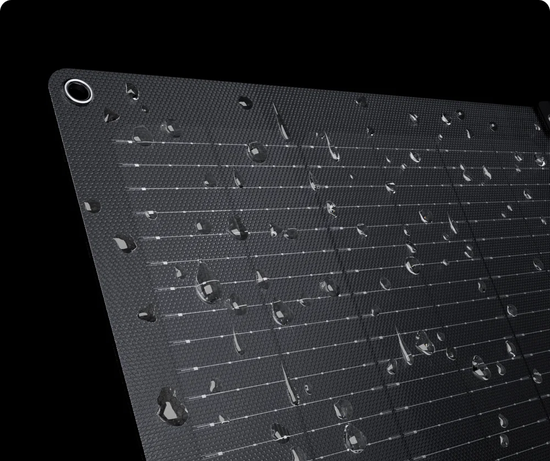
Prepare a Cool, Supported Panel
Finish the charging session and disconnect the panel using the specified connection procedure. Move it into shade and wait until the surface has cooled. Cleaning a hot panel makes water evaporate quickly and can leave mineral marks behind.
Support each section so that wiping does not make it flex. Do not rest the panel on sharp gravel, kneel on it, or press down on unsupported cells. Keep the cable ends somewhere clean and dry, away from the water used for cleaning.
A clean microfiber cloth, clean water, and a second dry cloth are enough for ordinary dust and marks. Use a separate cloth for the case and stands so that grit from those parts does not get dragged over the generating surface.
Lift Dirt Before Rubbing
Check the surface for sand, dried mud, and other coarse particles. Rubbing a dusty panel with a dry cloth can move abrasive grit across its coating. Lift off loose debris gently before making wiping passes.
For bird droppings or dried mud, hold a damp cloth over the mark briefly to soften it. Then lift the softened material away with light pressure. Repeat instead of scraping with a fingernail, knife, or rough cleaning pad.
Work in small sections and rinse or replace the cloth as it gets dirty. A cloth that began clean can quickly become the source of scratches if it is used across the entire panel without checking it.
Plain water is the best first choice. If a stain remains, use only a cleaner permitted for the panel’s surface. Glass cleaners, solvents, polishing products, and household degreasers should not be assumed suitable for protective polymer coatings.
Protect the Parts Around the Solar Cells
Water resistance does not make pressure washing a good idea. A concentrated jet can stress seals and drive water toward places a gentle wipe would never reach.
Clean the generating surface without flooding the junction box, cable exits, or connectors. Wipe a dirty cable jacket separately and inspect it for cuts or pinching. Electrical contacts should not be scrubbed or washed as part of routine surface cleaning.
If an exposed connector gets wet, do not reconnect it immediately. Let it dry and inspect it before use. A cracked connector, damaged insulation, or separating panel layer needs repair advice rather than a more aggressive cleaning method.
When choosing solar panels for frequent travel, accessible surfaces and a practical storage case are useful details. Easy handling makes it less tempting to fold away dirty, wet equipment at the end of a trip.
Dry the Panel Before Packing It Away
Check both sides, the folds, and the supports. A dry front surface does not mean water has disappeared from every recess. Leave the panel open in a sheltered, ventilated location until those areas are dry.
Fold along the designed joints and arrange the cable so its connectors do not press into the cell surfaces. Keep the carrying case clean as well. Sand left inside a case can rub against the equipment during every journey.
After cleaning, reconnect the panel and check that it charges normally. Compare output under similar sunlight and angle if you want to judge the effect. A cloud moving away during cleaning can create an apparent improvement that has little to do with the cleaning itself.
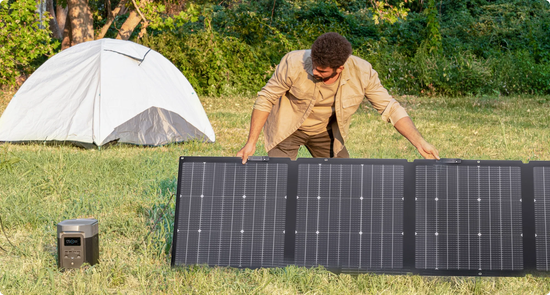
Clean When There Is Something to Remove
A fixed weekly schedule is unnecessary for a panel that is used occasionally and stored clean. Inspect it when setting up and packing away. Remove bird droppings, mud, pollen buildup, and visible dust rather than waiting for a large drop in output.
If output remains low after cleaning, look at shading, orientation, cable connections, and whether the receiving battery is already full. More scrubbing will not correct those problems.
FAQ
Is Rain Enough to Keep a Panel Clean?
Rain can remove loose dust, but it does not reliably remove dried droppings, sticky deposits, or dirt around edges. Check the surface after it dries instead of assuming a shower completed the cleaning.
Can You Use Dish Soap?
Use clean water first. A mild detergent is appropriate only when the panel’s care instructions allow it, and residue must be removed. The cleaning method for a glass roof panel should not automatically be applied to a folding panel’s coating and fabric sections.
Conclusion
For portable panels, light pressure, a clean cloth, and careful drying do most of the work. Deal with stubborn dirt by softening it, not scraping it. A short inspection during each setup keeps maintenance simple and prevents dirt from becoming damage during storage.