
What to Look for When Choosing High-Quality Bifold Door Hardware
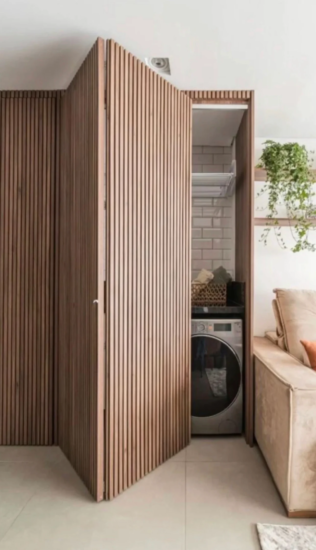
Bifold doors are a bit like good lighting in a room. When they work well, you barely notice them. When they don’t, they become the only thing you can notice.
Sticking. Sagging. Doors that refuse to line up no matter how many times you adjust them. These problems almost never start with the door itself—they start with the hardware behind the scenes. Choosing the right bifold door hardware is what separates a smooth, quiet setup from something you quietly regret every time you open it.
Whether you’re renovating, building, or replacing an old system that’s seen better decades, here’s what actually matters when choosing high-quality bifold door hardware—and what’s mostly marketing noise.
Why Bifold Door Hardware Matters More Than You Think
The Door Is Only as Good as What Holds It
Bifold doors rely on multiple moving parts working together. Hinges, pivots, tracks, rollers, and guides all share the load. If one component is weak, the entire system suffers.
Unlike traditional swing doors, bifold doors:
- Carry weight unevenly
- Move along tracks
- Rely on precise alignment
High-quality bifold door hardware keeps everything balanced and moving as intended, even after years of daily use.
Material Quality Is the Foundation
This Is Not the Place to Cut Corners
One of the first things to look for is what the hardware is actually made of. Lightweight metals and plastic components may look fine out of the box, but they tend to wear quickly.
Better systems use:
- Solid steel or reinforced alloys
- Durable finishes that resist corrosion
- Components designed for long-term load-bearing
If the hardware feels flimsy in your hand, it will feel worse once installed.
Weight Rating Is Not a Suggestion
Doors Are Heavier Than They Look
Every bifold door system is rated for a specific weight range. Ignoring this is one of the most common causes of sagging and track failure.
When choosing bifold door hardware, always confirm:
- Maximum door weight per panel
- Total system load capacity
- Compatibility with your door material
Solid wood, glass, and custom panels add weight quickly. Hardware rated “just enough” rarely stays that way over time.
Track and Roller Design Makes or Breaks Performance
Smooth Movement Is Engineered, Not Accidental
The track and roller system is where quality becomes immediately noticeable. Poorly designed rollers create noise, resistance, and uneven movement.
High-quality systems feature:
- Precision-machined rollers
- Smooth, well-aligned tracks
- Quiet operation even under load
This is one area where better engineering pays off every single day.
Adjustability Is a Sign of Good Design
Nothing Is Perfectly Square (Especially Walls)
Even in new builds, walls and floors are rarely perfectly level. Good bifold door hardware accounts for this reality.
Look for systems that offer:
- Vertical adjustment
- Horizontal alignment options
- Easy fine-tuning after installation
Adjustability allows doors to be corrected over time as buildings settle, rather than forcing you to live with misalignment.
Installation Should Be Straightforward, Not a Puzzle
Complexity Is Not the Same as Quality
High-quality hardware doesn’t need to be complicated. In fact, the best systems are often thoughtfully simple.
Clear installation instructions, logically designed components, and intuitive layouts make a huge difference—especially if you’re not installing them daily for a living.
If a system requires excessive improvisation during installation, that’s often a sign of poor design, not advanced engineering.
Durability Is About More Than Strength
Wear Happens in Subtle Ways
Bifold doors are opened and closed repeatedly, often multiple times a day. Over time, this wears on moving parts.
Good bifold door hardware is designed to handle:
- Repeated cycles
- Minor impacts
- Long-term friction
Durability isn’t just about surviving installation—it’s about performing consistently years later.
Noise Levels Matter More Than You Expect
Quiet Is a Feature, Not a Bonus
A rattling or grinding bifold door quickly becomes annoying, especially in bedrooms, offices, or shared living spaces.
Quality hardware minimises noise through:
- Smooth roller movement
- Tight tolerances
- Stable track systems
You may not notice quiet operation immediately—but you’ll definitely notice noise if it’s there.
Compatibility With Door Styles Is Crucial
One Size Rarely Fits All
Bifold door hardware should match the type of door you’re using, whether that’s:
- Closet doors
- Interior room dividers
- Utility or storage spaces
Hardware designed for lightweight hollow-core doors may struggle with heavier or custom panels. Matching hardware to application prevents premature wear and failure.
Finishes Are About Longevity, Not Just Looks
Corrosion Is a Silent Enemy
Even interior hardware can be exposed to humidity, temperature changes, and everyday wear. Quality finishes protect components over time.
Look for finishes that:
- Resist rust and corrosion
- Maintain appearance with minimal maintenance
- Match your interior design without being overly decorative
A finish that chips or fades quickly often signals lower manufacturing standards underneath.
Replacement Parts Availability Is Underrated
Future-Proofing Saves Headaches
Even the best hardware may eventually need a replacement roller or guide. Choosing a system with readily available replacement parts extends its lifespan significantly.
Before committing, check whether:
- Individual components can be replaced
- Parts are standardised or proprietary
- Support is available long-term
This small consideration can prevent full system replacement down the road.
Consistency Across the System Matters
Mixed-Quality Components Create Weak Links
Some lower-end systems combine decent tracks with poor rollers or solid pivots with weak guides. These mismatches create uneven wear.
High-quality bifold door hardware is designed as a complete system, with all components working together under similar tolerances and load expectations.
Consistency reduces stress on individual parts—and that extends overall lifespan.
Reviews Reveal Long-Term Performance
Look for Patterns, Not Praise
When researching hardware, focus less on “easy to install” comments and more on long-term feedback.
Pay attention to:
- Reports of sagging after months or years
- Noise complaints over time
- Durability under frequent use
Patterns matter more than individual opinions, especially for hardware that’s meant to last.
Price Reflects Engineering, Not Just Branding
Cheap Hardware Is Rarely a Bargain
While high-quality bifold door hardware doesn’t need to be extravagant, it’s rarely the cheapest option on the shelf.
Better materials, tighter tolerances, and thoughtful design all cost more to produce. That cost usually shows up as smoother operation, fewer issues, and longer service life.
In most cases, spending a bit more upfront saves both money and frustration later.
Choosing bifold door hardware isn’t about finding the most complicated system or the flashiest finish. It’s about selecting components that quietly do their job—day after day, year after year.
High-quality hardware supports smooth movement, proper alignment, and long-term durability. It adapts to real-world conditions, tolerates frequent use, and doesn’t demand constant adjustment.
When done right, you stop thinking about your doors entirely. They open. They close. They behave.
And in the world of bifold doors, that kind of reliability is exactly what high quality looks like.