Modern Home Décor Trends You’ll Love in 2026
Home décor in 2026 is all about balance—balancing comfort with style, technology with warmth, and simplicity with personality. After years of minimalism dominating interiors, homeowners are now embracing spaces that feel more expressive, functional, and emotionally connected. The modern home is no longer just a place to live; it’s a reflection of identity, lifestyle, and well-being.
This guide explores the most exciting home décor trends shaping 2026 and how you can bring them into your own space.
A Shift Toward Personal Expression
One of the strongest trends in 2026 is the move away from uniform, “catalog-style” interiors. Instead of perfectly matched furniture sets and predictable color schemes, homeowners are embracing individuality.
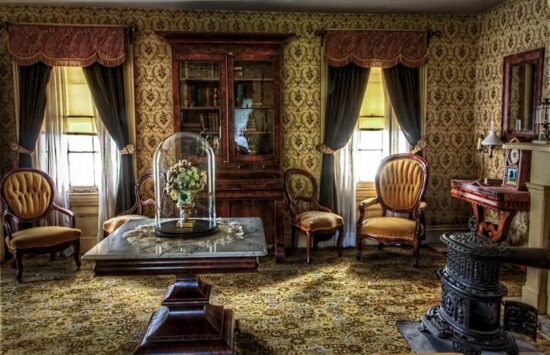
People are mixing old and new pieces, combining textures, and showcasing personal collections. Whether it’s handmade ceramics, travel souvenirs, or vintage furniture, homes are becoming more storytelling-driven.
This shift reflects a broader desire for authenticity. A modern home is no longer about perfection—it’s about personality.
Earth-Inspired Color Palettes
Color trends in 2026 are heavily influenced by nature. Earthy tones such as terracotta, sand beige, olive green, and warm browns dominate interiors. These shades create a calming environment and connect indoor spaces with the natural world.
Soft neutrals remain popular, but they are now paired with deeper accent colors like forest green or burnt orange. This combination adds depth without overwhelming the space.
The goal is to create a soothing atmosphere that feels grounded and timeless rather than overly trendy.
The Rise of Organic and Natural Materials
Materials play a huge role in modern home décor, and 2026 is seeing a strong preference for natural textures.
Wood, stone, rattan, linen, and clay are widely used in furniture and accessories. These materials add warmth and authenticity to interiors while promoting sustainability.
Instead of highly polished or synthetic finishes, designers are embracing imperfections—visible wood grain, uneven pottery surfaces, and handwoven fabrics. These details bring character and a sense of craftsmanship into the home.
Curved and Soft Furniture Designs
Sharp edges and rigid lines are slowly giving way to softer, more organic shapes. Curved sofas, rounded coffee tables, and circular mirrors are becoming key design elements in modern interiors.
These shapes create a sense of flow and comfort, making rooms feel more inviting and less structured. Curved furniture also improves spatial movement, especially in smaller homes where rigid layouts can feel restrictive.
This trend reflects a broader desire for comfort-focused living environments.
Multi-Functional Spaces for Modern Living
As homes continue to serve multiple purposes—work, relaxation, entertainment—multi-functional design has become essential.
In 2026, spaces are being designed with flexibility in mind. Living rooms double as home offices, dining areas transform into study zones, and bedrooms incorporate relaxation corners.
Furniture plays a key role in this trend. Modular sofas, foldable desks, and storage-integrated pieces help maximize space without cluttering the home.
The focus is on adaptability, allowing rooms to evolve throughout the day.
Smart Home Integration with Style
Technology is becoming seamlessly integrated into home décor without compromising aesthetics. Smart lighting, voice-controlled systems, and automated climate control are now standard in modern homes.
However, the key difference in 2026 is subtlety. Devices are designed to blend into interiors rather than stand out. Hidden speakers, minimalist control panels, and discreet sensors maintain a clean and elegant look.
Lighting, in particular, is becoming more dynamic. Adjustable LED systems allow homeowners to change mood and ambiance with ease, enhancing both functionality and comfort.
Textured Layers for Visual Depth
Flat, one-dimensional interiors are being replaced by layered, textured spaces. Designers are combining different materials and fabrics to create depth and interest.
For example, a linen sofa might be paired with velvet cushions, a wooden table with ceramic décor, or a woven rug under a sleek metal lamp. These contrasts make rooms feel more dynamic and lived-in.
Texture layering also helps break monotony, especially in neutral-colored spaces, making them feel richer and more inviting.
Indoor-Outdoor Living Blends
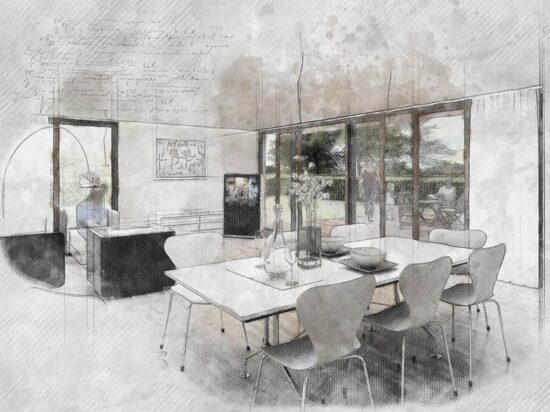
Blurring the boundaries between indoor and outdoor spaces is a major trend in 2026. Large windows, sliding glass doors, and indoor plants are being used to create a seamless connection with nature.
Even small apartments are incorporating this idea through balcony gardens, vertical plant walls, and natural light optimization.
Indoor plants are no longer just decorative—they are central to home design. From large statement plants to small greenery accents, nature is becoming an essential part of everyday living.
Minimalism Evolves Into “Warm Minimalism”
Minimalism is not disappearing, but it is evolving. The cold, overly sterile version of minimalism is being replaced by “warm minimalism.”
This approach focuses on simplicity but adds warmth through textures, soft colors, and personal touches. Instead of empty spaces, homes now feature carefully chosen décor items that serve both aesthetic and emotional purposes.
The result is a cleaner but more welcoming environment that feels lived-in rather than staged.
Statement Lighting as a Focal Point
Lighting is no longer just functional—it is a central design feature. In 2026, statement lighting fixtures are being used to define spaces and create visual impact.
Oversized pendant lights, sculptural floor lamps, and artistic chandeliers are becoming popular choices. These pieces act as both lighting and décor, adding personality to a room.
Layered lighting—combining ambient, task, and accent lighting—remains essential for creating depth and flexibility in mood.
Sustainable and Eco-Conscious Design
Sustainability continues to shape modern home décor trends. Homeowners are increasingly choosing eco-friendly materials, energy-efficient appliances, and recycled furniture.
Upcycled décor and vintage finds are also gaining popularity, reducing waste while adding unique character to interiors.
Beyond materials, sustainability is also reflected in design choices that prioritize longevity over fast trends. The focus is on creating homes that last both aesthetically and functionally.
Art as a Core Design Element
Art is playing a bigger role in home décor than ever before. Instead of being an afterthought, it is now central to interior design.
Large wall art pieces, abstract paintings, and handmade crafts are being used as focal points in living spaces. Many homeowners are also supporting local artists, adding originality and meaning to their décor choices.
Art helps personalize a space and gives it emotional depth, turning walls into storytelling elements.
Final Thoughts
Modern home décor in 2026 is defined by individuality, comfort, and conscious living. It moves away from rigid design rules and embraces flexibility, warmth, and authenticity.
Whether it’s through natural materials, smart technology, or personalized décor, the goal is to create homes that feel both stylish and deeply personal.
Ultimately, the best interior trend is the one that makes your space feel like home—comfortable, functional, and uniquely yours.