
How to Choose the Perfect Cutting Board for Your Cooking Style
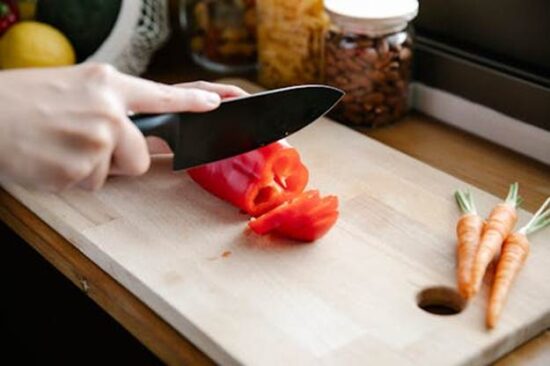
A cutting board might seem like one of the simplest tools in your kitchen, but it plays a crucial role in how you prepare food. From chopping vegetables to slicing meat, the right cutting board can improve efficiency, protect your knives, and even enhance food safety. Choosing the perfect cutting board isn’t just about picking something that looks good—it’s about finding one that matches your cooking habits, preferences, and lifestyle.
This guide will help you understand the different types of cutting boards and how to select the best one for your specific cooking style.
Why Your Cutting Board Choice Matters
Every time you cook, your cutting board becomes your primary workspace. A poorly chosen board can dull your knives, harbor bacteria, or make food preparation more difficult than it needs to be.
On the other hand, the right board can make chopping smoother, safer, and more enjoyable. It can also help maintain hygiene by reducing cross-contamination between different types of food. Investing in a good cutting board is a small change that can have a big impact on your overall cooking experience.
Understanding Different Cutting Board Materials
One of the most important decisions you’ll make is choosing the material. Each type has its own advantages and drawbacks.
Wooden Cutting Boards
Wooden boards are a favorite among many home cooks and professionals. They are gentle on knife edges, which helps keep your blades sharp for longer. Hardwoods like maple and walnut are particularly durable and resistant to deep cuts.
Wood also has natural antibacterial properties, but it requires regular maintenance. Oiling the surface prevents cracking and keeps it in good condition. If you enjoy traditional cooking and don’t mind a bit of upkeep, wood is an excellent choice.
Plastic Cutting Boards
Plastic boards are lightweight, affordable, and easy to clean. Many are dishwasher-safe, making them a convenient option for busy kitchens.
They are often recommended for handling raw meat because they can be sanitized thoroughly. However, plastic boards tend to develop grooves over time, which can trap bacteria if not cleaned properly. Replacing them periodically is usually necessary.
Bamboo Cutting Boards
Bamboo is an eco-friendly alternative to traditional wood. It’s harder and less porous, which makes it more resistant to moisture and bacteria.
However, its hardness can be tough on knives, potentially causing them to dull faster. Bamboo boards are ideal for those who want a sustainable option with minimal maintenance.
Glass and Stone Cutting Boards
Glass and stone boards are visually appealing and easy to clean, but they are not practical for everyday use. These materials are extremely hard, which can quickly damage knife edges.
They are best used for serving or presentation rather than heavy chopping tasks.
Matching the Board to Your Cooking Style

Your cooking habits should guide your choice of cutting board. Different styles of cooking require different features.
For Everyday Home Cooking
If you prepare a mix of vegetables, meats, and fruits, versatility is key. A medium-sized wooden or plastic board is often the best option. Having two boards—one for produce and one for meat—can also improve hygiene.
For Meat Preparation
When handling raw meat, hygiene is a top priority. Plastic boards are a popular choice because they can be sanitized easily. Look for boards with grooves around the edges to catch juices and prevent spills.
For Baking and Light Prep
If your cooking style leans more toward baking or light prep work, a smooth and spacious board is ideal. Wooden boards work well for kneading dough or cutting soft ingredients.
For Professional or Advanced Cooking
Serious home cooks or professionals may benefit from investing in high-quality hardwood boards. These provide durability, knife protection, and a stable surface for precise cutting techniques.
Size and Thickness Considerations
The size of your cutting board should match your kitchen space and cooking needs.
A large board provides more room to work, making it easier to handle multiple ingredients at once. However, it may be harder to store and clean. Smaller boards are more convenient but can feel cramped during extensive meal prep.
Thickness also matters. Thicker boards are more durable and stable, while thinner ones are lightweight and easier to handle. If you cook frequently, a thicker board is usually a better long-term investment.
Importance of Knife Compatibility
Your cutting board and knives should work together, not against each other. Softer materials like wood and plastic are gentle on knife edges, helping them stay sharp.
Hard surfaces like glass or stone can quickly dull your knives, leading to more frequent sharpening and reduced lifespan. If you’ve invested in quality knives, it’s worth choosing a board that protects them.
Hygiene and Food Safety
Maintaining a clean cutting board is essential for food safety. Different foods can carry bacteria, so it’s important to prevent cross-contamination.
Using separate boards for raw meat and vegetables is a simple but effective strategy. Regular cleaning with hot, soapy water is usually sufficient, but some materials may require additional care.
Wooden boards should be dried thoroughly to prevent moisture buildup, while plastic boards can often go in the dishwasher for deeper cleaning.
Maintenance and Longevity
The lifespan of your cutting board depends on how well you maintain it.
Wooden boards need periodic oiling to keep them from drying out or cracking. Plastic boards should be replaced once they develop deep grooves. Bamboo boards require less maintenance but should still be cleaned and dried properly.
Taking care of your cutting board not only extends its life but also ensures a safer cooking environment.
Budget and Value
Cutting boards come in a wide range of prices, from budget-friendly plastic options to premium hardwood designs. While it’s tempting to choose the cheapest option, consider the long-term value.
A high-quality board may cost more upfront but can last for years with proper care. Think of it as an investment in your kitchen rather than a disposable item.
Final Thoughts
Choosing the perfect cutting board is about understanding your cooking style and finding a tool that supports it. Whether you prefer the classic feel of wood, the convenience of plastic, or the sustainability of bamboo, there’s a cutting board that fits your needs.
By considering factors like material, size, hygiene, and maintenance, you can make a choice that enhances your cooking experience. A well-chosen cutting board doesn’t just make food preparation easier—it also brings efficiency, safety, and enjoyment into your kitchen.