
Septic Tank Repair Cost: What Homeowners Should Know Before They Approve a Repair
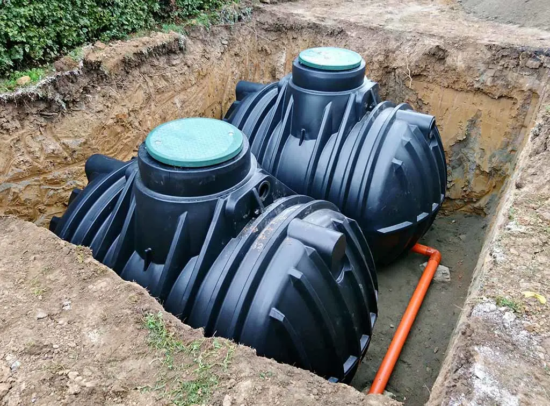
Why do homeowners start searching septic tank repair cost in the first place?
Most homeowners search septic tank repair cost, when something feels off. Drains move slow. The yard smells bad. The ground stays wet. A backup starts and will not stop.
At that point, most people want two answers. They want to know what may be wrong. They also want to know what the repair may cost. EPA says the same septic warning sign can come from different parts of the system, not just the tank.
TL;DR: What is the quick answer on septic tank repair cost?
Septic tank repair cost changes a lot. The final price depends on what broke, where it sits, how easy it is to reach, and whether the problem stays near the tank or reaches the drainfield.
Here is the quick version:
- Small repairs cost less than buried line, pump, or drainfield work.
- Pumping is maintenance. It is not repair.
- Costs rise when crews need more digging, more time, or more testing.
- Wet ground, slopes, and tight access can raise labor.
- A real estimate usually starts with an inspection.
Online price guides can help you get a rough idea. Still, many of them mix service, pumping, repair, and replacement into one number. That makes the range look cleaner than it is in real life.
The best way to read septic costs is simple. The harder the problem is to find, reach, and fix, the more the job tends to cost. EPA and Pennsylvania guidance support that bigger system view.
What does “septic tank repair” actually include?
Septic tank repair can mean many things. It may mean fixing a lid, baffle, filter, buried line, pump, outlet, or another part. In some cases, the tank is not the real problem. The trouble sits farther down the system.
The septic tank is only one part of the system
A septic system service handles wastewater at the home. Wastewater leaves the house and flows into the tank. Heavy waste sinks. Grease floats. Liquid moves on to the drainfield. The soil then helps clean that water. EPA explains that the drainfield and soil do a big part of the treatment work.
That matters because many homeowners call every septic problem a tank problem. In real jobs, the repair may involve the inlet, outlet, baffle, filter, pipe, pump chamber, or distribution box. Pennsylvania DEP often uses the term “on-lot sewage system” because the whole system matters, not only the tank.
Why the same symptom can point to different repairs
One sign can point to more than one cause. Slow drains may come from a pipe issue, a tank issue, or a drainfield problem. A soggy yard may mean too much water hits the system, poor drainage, or trouble in the field. Bad smells may come from a backup or wastewater surfacing where it should not.
That is why septic repair starts with diagnosis. Price comes after that.
How much does septic tank repair cost?
Septic tank repair cost usually falls into a wide range. Small part repairs may cost far less than jobs that need digging, pump work, or drainfield work. Online numbers help as a starting point, but they do not replace a real quote for your property.
National and local cost pages often show smaller repairs in the hundreds and larger repairs in the thousands. Angi’s 2026 data shows that repair costs change a lot by repair type. The local pages you shared also show ranges, but they do not fully explain scope, site limits, or how they separate service from repair.
Why online septic repair prices often conflict
Different websites count different jobs. One may focus on small part repairs. Another may include pumping, inspection, or bigger digging work. Another may use lead-gen data that does not show what jobs went into the average.
A simple way to think about price is by size of job:
- Small repairs: lids, filters, or some baffle work
- Mid-size repairs: line work, pump issues, or control issues
- Large repairs: structural tank damage, heavy digging, or drainfield trouble
That pattern matches how septic costs usually work. When the job gets deeper, wider, and harder to confirm, the price usually rises.
What a homeowner can realistically expect from an estimate
A good estimate should tell you what the contractor thinks is wrong. It should also tell you what the price includes and what may change the final bill.
That matters in western Pennsylvania. Slope, soil, drainage, depth, and access can change the job fast. EPA and county planning materials both note that site limits like wet soil, steep ground, and shallow bedrock can affect septic work.
What factors affect septic repair cost the most?
The biggest cost factors are the type of repair, where the failure sits, how easy the system is to reach, and whether the crew needs digging, new parts, or more testing. Soil, drainage, depth, and layout can also raise the price.
The repair itself matters more than the tank alone
The first cost driver is the repair itself. A cracked lid or bad baffle does not cost the same as a broken line, failed pump, or drainfield issue. Even when you only see one symptom, the real repair may sit in a different part of the system.
Tank age and tank material can matter too. Older systems may have more than one weak part. Some systems also use more parts and controls, which can make repair work more involved. Angi’s cost guide says system type can affect repair complexity.
Access and excavation can change the price fast
Access changes labor. If the tank is deep, hard to find, under landscaping, or close to hard surfaces, the crew may need more time and equipment. Even a moderate repair can turn into a larger job when the work area is hard to reach.
The sewer article you shared is not a septic guide, but it does show a real local point. Many properties have hills, tight spots, walls, sidewalks, and other barriers that raise labor and digging needs. Septic jobs can face the same kind of site issues.
Site and drainage conditions can complicate the job
Wet soil, stormwater, a high water table, shallow bedrock, and poor drainage can make diagnosis and repair harder. EPA says standard septic systems work best when the site has the right soil and drainage conditions. Allegheny County planning materials point to similar site limits.
That does not mean every local repair is hard. It means some properties make the same repair take more work.
What are the most common septic repairs and how does pricing usually vary by repair type?
Common septic repairs range from small part fixes to bigger jobs on lines, pumps, or wastewater flow. Costs usually rise when the repair moves from an easy-to-reach part to a buried or hard-to-check part of the system.
Small component repairs
Small repairs often involve lids, covers, baffles, and filters. These jobs usually cost less because the part is easier to find and fix. Angi’s cost data places these repairs well below the price of line work or full tank replacement.
Even so, a small repair can point to a bigger issue. A bad baffle may let solids move where they should not. A missing or clogged filter can also raise stress on the rest of the system.
Buried line and pump-related repairs
Line repairs often cost more because crews need to dig, find the damaged spot, and restore the area after the work. Pump repairs can also cost more because the problem may involve wires, controls, float switches, or the pump itself.
Once the repair moves past a visible tank part and into buried or powered parts, the job usually gets more complex.
When the problem reaches the drainfield
Drainfield trouble often costs the most because the issue affects the part of the system that spreads and treats the water in the soil. EPA says that soil treatment depends on proper drainage and unsaturated soil. If that part stops working well, pumping the tank alone will not restore full system function.
That is why “tank repair” can be a misleading phrase. Sometimes the tank is fine, but the expensive problem sits past the tank.
When is pumping not enough?
Pumping is routine maintenance. It does not solve every septic problem. If signs return soon after pumping, the issue may involve a damaged part, a flow problem, or drainfield trouble.
Why a fresh pump-out can still leave the problem unresolved
Pumping clears sludge and scum from the tank. That helps the tank do its job. But Penn State Extension says pumping does not remove the biomat in the absorption area. In simple terms, it does not fix every problem in the field.
That means a pump-out may give short-term relief without fixing the main cause. The system may seem better for a little while, then act up again.
Signs the issue is beyond routine maintenance
These signs often point past basic pumping:
- the system was pumped, but drains still move slow
- wastewater backs up again soon after service
- the yard stays wet near the septic area
- bad smells stay around
- a pump alarm keeps coming back
EPA and DEP both list backups, odors, and wet ground as warning signs that need more attention.
What warning signs suggest your septic system may need repair?
Common warning signs include slow drains, sewage odors, wet or bright green ground near the system, plumbing backups, or alarms on pump systems. One sign alone may not prove the cause, but repeated signs often point to a real septic problem.
Indoor warning signs
Inside the home, people often notice slow drains, gurgling toilets, drain backups, or sewage smells first. These signs show that wastewater is not moving the way it should. When several drains act up at once, the issue often goes beyond one small clog.
Outdoor warning signs
Outside, common signs include soggy soil, standing water, foul smells, or grass that looks greener than the rest of the yard. These signs matter because wastewater should stay below the surface and move through the treatment area the right way. EPA and DEP both list these as common septic trouble signs.
Signs that deserve faster professional attention
Some signs call for faster action. These include sewage backing into the home, wastewater surfacing in the yard, or pump alarms that stay on. These problems can bring more damage, more mess, and more cost when people wait too long.
How do septic professionals diagnose the real problem before giving a repair estimate?
A good septic repair estimate starts with diagnosis. Contractors look at your symptoms, your system history, the tank area, the flow path, and the site. Then they decide whether the issue looks like maintenance, repair, or something closer to replacement.
Why diagnosis comes before real pricing
Homeowners want a fast number. That makes sense. Still, septic contractors need to know what they are pricing. They need to ask when the problem started, whether the tank was pumped, whether rain makes it worse, and whether the home uses a pump system.
From there, they may check easy-to-reach parts, look at records, and decide whether the problem likely stays near the tank or reaches farther into the system. Pennsylvania DEP materials show that on-lot systems also sit inside a local oversight system, which can affect repair steps.
Information that helps a septic contractor price the job accurately
You can help the process by sharing:
- when the signs started
- whether the tank was pumped lately
- whether one drain or many drains act up
- whether you smell odors or see wet spots
- whether you have pump alarms
- whether the property has drainage issues
- whether you have past repair or inspection notes
That information helps the contractor narrow the problem and build a better quote.
Is it better to repair or replace a septic system?
Repair makes sense when the problem stays isolated and the rest of the system still works well. Replacement starts to make more sense when repairs keep piling up, major damage shows up, or the drainfield can no longer handle wastewater well.
When repair still makes financial sense
Repair often makes sense when one part fails but the rest of the system still works. A lid issue, baffle issue, some line repairs, or a pump replacement may restore function without turning into a full system job.
Age alone does not force replacement. The bigger questions are where the failure sits, how often problems return, and whether the repair fixes the true cause.
When replacement becomes the better long-term move
Replacement becomes more likely when the same trouble keeps coming back, when wastewater problems stay after maintenance, or when the absorption area no longer works well. EPA’s septic guidance shows why that matters. The soil treatment stage is a core part of the system. When that stage fails, the tank alone cannot solve the problem.
A low-cost repair is not always the best value if it only buys a little time.
How can local conditions affect septic repair complexity and cost?
Area can make septic repairs harder because slopes, drainage patterns, old layouts, buried depth, and tight access can raise labor and digging needs. On some sites, wet ground or limited space can also make the work plan more complex.
Why slope, depth, and access matter
Western Pennsylvania has many uneven lots, hillsides, retaining features, mature landscaping, and mixed site layouts. Even when the repair itself looks simple, getting to the problem may take more time than expected.
Why some area homes have very different repair paths
Some homes use public sewer. Others in nearby areas use on-lot systems. Some sites drain well. Others deal with wet ground, slope, or shallow bedrock. Allegheny County and EPA materials both show that these site conditions can affect sewage disposal and repair complexity.
That means two homeowners may search the same phrase and face two different repair paths.
When should a homeowner call a septic professional right away?
A homeowner should call a septic professional fast when wastewater backs up into the home, sewage odors grow strong, wet areas spread near the system, or pump alarms go off. Fast action helps protect the home and helps crews find the right fix sooner.
A single slow drain may not always mean an urgent septic failure. Still, sewage backup, surfacing wastewater, or a pump alarm that stays on should move the issue up the list. DEP homeowner guidance points to backups, odors, and wet or bright green ground as malfunction signs.
It also helps to act fast when the tank was pumped recently and the same signs return. That often means the problem goes beyond routine maintenance. EPA also warns that failing septic systems can create health and water quality risks.
What should homeowners ask before hiring a septic repair company?
Homeowners should ask how the contractor finds septic problems, what the estimate includes, whether the quote comes from an inspection or a guess, and what may change the final price. Clear questions lead to clearer answers.
Questions that reveal how thorough the estimate really is
Ask these questions:
- What do you think is causing the problem?
- Does this sound like maintenance, repair, or replacement?
- What parts of the system are you checking?
- Is this quote based on an inspection?
- What signs may show a bigger issue?
These questions help you see how the contractor thinks through the job.
Questions that protect you from vague pricing
You can also ask:
- What does this estimate include?
- What may raise the final cost?
- Does access or digging affect the quote?
- What should I watch after the repair?
- When do you suggest more testing before I approve work?
Price matters, but scope matters more. A lower quote does not help much if it misses the real problem.
How can homeowners help prevent more expensive septic repairs in the future?
Homeowners can lower the chance of bigger septic repairs by keeping up with maintenance, using water with care, protecting the drainfield area, and acting early when signs start. Prevention does not erase all risk, but it can lower wear on the system.
Routine pumping matters because it removes built-up solids before they cause more strain. EPA says inspection and pumping schedules should match household size and system use, not one fixed rule for every home.
Water use matters too. Leaks and heavy water loads can flood the system with more water than it can handle well. EPA advises people to fix leaks, use water wisely, and keep extra water away from the septic area.
The drainfield also needs care. Keep heavy traffic off it. Keep the area protected. Penn State and EPA both support regular care and early action when signs appear.
Septic additives do not offer a strong shortcut. EPA says additives are not recommended and are not needed for normal septic system function.
FAQ: What do homeowners ask most about septic tank repair cost?
Homeowners usually ask about price, warning signs, pumping, repairs, and replacement. The simple answer stays the same. Septic repair cost depends on what failed, where it failed, and how hard the job is to reach and fix.
How much does septic tank repair cost?
Septic tank repair cost can range from a few hundred dollars for small repairs to several thousand for bigger jobs. The final price depends on the failed part, the site, the digging, and whether the issue stays isolated or affects more of the system.
What is the cheapest septic repair homeowners usually face?
The cheapest septic repairs usually involve small, easy-to-reach parts. That may include some lids, covers, filters, or minor baffle work. These repairs cost less because crews need less labor, less digging, and fewer materials than they need for buried or system-wide problems.
What septic repairs tend to cost the most?
Drainfield work, major digging, structural tank damage, and some buried line repairs often cost the most. These jobs usually take more time, more equipment, and more diagnosis. They also tend to affect a larger part of the system than a small part repair does.
Is pumping the septic tank the same as repairing it?
No. Pumping is maintenance. Repair fixes a failed part or a system problem. A tank can be freshly pumped and still have trouble in the line, pump, or drainfield. That is why pumping and repair are not the same service.
How do I know if the problem is in the tank or the drainfield?
You usually cannot tell from one sign alone. Slow drains, odors, wet spots, and backups may start at the tank, the line, or the drainfield. A septic pro usually looks at your history, recent pumping, visible signs, and system layout before naming the likely failure point.
Can a septic system still have problems right after pumping?
Yes. Pumping clears the tank, but it does not fix every downstream problem. If the drainfield struggles, a line breaks, or a pump part fails, signs can return soon after service. That is one reason a recent pump-out does not rule out repair needs.
Is it cheaper to repair or replace a septic system?
Repair is usually cheaper at first when the problem stays isolated. Replacement can make more financial sense when the same issues keep returning or when a larger part of the system no longer works well. The best choice depends on condition, repeat trouble, and true failure point.
Do older systems cost more to repair?
Older systems can cost more to repair, but not every time. Older systems may have worn parts, outdated layouts, or more than one weak spot. Still, one isolated failure on an older system can still be a good repair job. The location and scope matter more than age alone.
Why can’t most companies give an exact septic repair price over the phone?
Most companies cannot give an exact price over the phone because the symptom does not prove the cause. Contractors need to know whether the problem involves routine care, one broken part, or a larger system issue. Site access, soil, and digging conditions can also change the job.
What should I do if my yard smells like sewage or feels soggy?
Set up a septic evaluation. A sewage smell or soggy ground near the system can point to surfacing wastewater, poor drainage, or trouble in the treatment area. You may not know the exact cause yet, but the system is showing that it needs attention.
Can heavy rain or drainage issues affect septic performance?
Yes. Heavy rain and drainage issues can affect septic performance. EPA says too much water can slow or stop treatment in the drainfield. Pennsylvania guidance also warns that flooded or saturated ground can disrupt normal system function.
What should I have ready before asking for a septic repair estimate?
Have your symptom history ready. Share when the problem started, whether the tank was pumped, what signs you see, and whether the property has drainage issues. Past repair notes and inspection notes also help. These details help the contractor build a sharper estimate.
What warning signs mean I should call sooner rather than later?
Call sooner when wastewater backs up into the home, bad odors grow strong, wet spots spread, or a pump alarm goes off. These signs show that the system may be failing in a way that can bring more mess, more damage, and more cost if you wait.
Are septic additives a good way to avoid repair costs?
No. EPA says septic additives are not recommended and are not needed for normal septic system function. A better path is regular maintenance, smart water use, and quick action when warning signs show up.
Can site access really change a septic repair quote that much?
Yes. A repair that looks simple can cost more when the system sits deep, hard to find, near hard surfaces, on a slope, or in a tight spot. Access affects digging, equipment use, labor time, and cleanup after the job.
What is the best mindset for comparing septic repair estimates?
Compare the scope before you compare the number. A lower quote does not always give better value if it guesses at the wrong repair or leaves out costs that may show up later. Clear diagnosis and clear scope lead to better decisions.