Refreshing Outdoor Spaces Without Replacing Everything
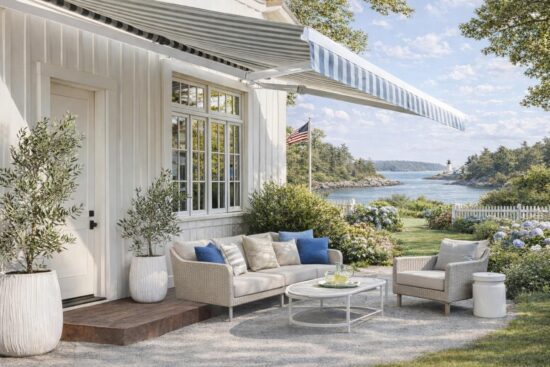
Outdoor living spaces have become a true extension of the home. Patios, decks, and backyard seating areas are no longer used only occasionally—they’re places for morning coffee, family dinners, and entertaining guests. Because of this shift, homeowners are paying closer attention to comfort, shade, and overall usability.
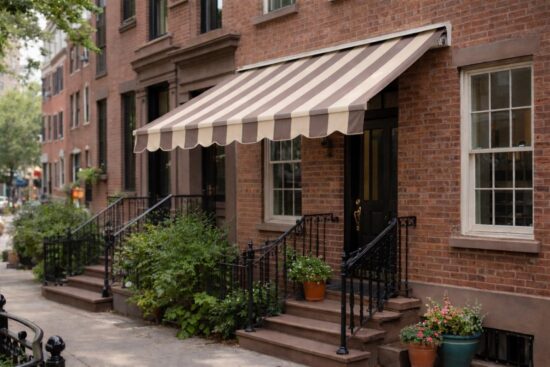
One feature that plays a surprisingly large role in outdoor comfort is a retractable awning. It provides flexible shade, helps reduce glare, and can even keep indoor spaces cooler during warmer months. When awning fabric begins to fade or wear, however, many homeowners assume the entire system needs to be replaced.
In reality, that’s rarely the case.
Why Awning Frames Often Outlast the Fabric
Most retractable awnings are designed with long-term durability in mind. Frames are typically constructed from aluminum or steel and built to withstand repeated extension and retraction. Motors, arms, and hardware are engineered for years of use when properly maintained.
Fabric, on the other hand, is exposed to the elements every day. Over time, even high-quality materials are affected by:
- Continuous sun exposure
- Wind stress during operation
- Moisture, humidity, and condensation
- Environmental debris such as pollen or salt air
As a result, fabric usually shows signs of aging well before the frame does. This imbalance is why fabric replacement is such a common—and practical—solution.
Signs Your Awning Fabric Needs Attention
Fabric wear doesn’t always happen suddenly. Often, it develops gradually, making it easy to overlook until the awning no longer performs as expected.
Common indicators include:
- Fading or uneven color compared to when the awning was new
- Fabric that appears loose or no longer tensioned properly
- Stitching or seams that are beginning to fray
- Difficulty retracting smoothly
- Mold or mildew stains that won’t clean off
Addressing fabric issues early can help prevent additional strain on the awning’s mechanical components.
The Case for Fabric Replacement Instead of Full Replacement
Replacing just the fabric offers a number of advantages for homeowners who want to refresh their outdoor space without unnecessary expense.
First, it’s typically far more cost-effective than replacing the entire awning system. Second, it allows homeowners to keep a frame that already fits their space and functions properly. Third, fabric replacement provides an opportunity to update the look—whether that means choosing a new color, a different pattern, or a higher-grade material.
From both a practical and aesthetic standpoint, fabric replacement is often the smarter choice.
Understanding Outdoor Fabric Performance
Not all fabrics are suited for retractable awnings. While many materials are labeled “outdoor,” only some are designed to handle constant sun exposure and repeated movement.
High-performance awning fabrics are engineered to:
- Resist UV fading
- Maintain strength while rolling and unrolling
- Breathe to reduce heat buildup underneath
- Withstand moisture without trapping humidity
Solution-dyed acrylic fabrics are commonly used in retractable awnings because they balance durability, comfort, and appearance. Unlike surface-dyed fabrics, their color is embedded at the fiber level, which helps maintain consistency over time.
Lower-cost alternatives may look similar at first but often degrade faster, especially in sunny or coastal environments.
Climate Plays a Bigger Role Than Many Expect
Where you live has a direct impact on how long awning fabric lasts. In areas with intense sun exposure, UV resistance is essential. Coastal regions require fabric that can tolerate moisture and salt air. Regions with seasonal temperature changes benefit from materials that won’t stretch, shrink, or stiffen over time.
This is why fabric selection should always consider local climate conditions rather than relying on appearance alone.
The Importance of Proper Measuring
Replacement awning fabric is custom-made, which makes accurate measurements essential. Even small errors can affect how the awning operates or how the fabric hangs once installed.
Common measuring mistakes include:
- Measuring the existing fabric instead of the frame
- Forgetting to include valances or drop skirts
- Overlooking roller tube diameter
- Misjudging projection depth
Many homeowners find it helpful to work with suppliers that provide measuring guides or offer support to double-check dimensions before production begins. Taking the extra time at this stage can prevent costly delays later.
DIY Installation vs. Professional Help
Installing replacement awning fabric can be a manageable project for homeowners with basic mechanical skills, particularly for manual systems or smaller awnings. Clear instructions and an extra set of hands often make the process smoother.
That said, larger awnings, motorized systems, or installations at height may benefit from professional assistance. The key is choosing an approach that feels comfortable and safe for your situation.
Some suppliers also offer remote guidance during installation, which can be helpful for homeowners tackling the project themselves.
Nationwide Access to Custom Replacement Fabric
One of the biggest advantages of today’s awning replacement options is accessibility. Homeowners are no longer limited to local suppliers or installers. Custom replacement fabric can be ordered and shipped nationwide, making it possible to refresh an awning regardless of location.
Companies such as PYC Awnings provide custom replacement fabric and ship directly to homeowners across the U.S., helping simplify the process while allowing people to keep their existing awning systems.
Extending the Life of Your Outdoor Investment
An awning is more than just a decorative feature—it’s an investment in comfort and usability. Keeping the fabric in good condition helps protect the underlying structure and ensures smooth operation over time.
Routine care, timely fabric replacement, and choosing materials designed for outdoor performance all contribute to a longer-lasting awning system.
Final Thoughts
Outdoor living spaces deserve the same attention as indoor rooms. When awning fabric begins to wear, replacement is often the easiest way to restore shade, comfort, and visual appeal without major expense.
By understanding fabric options, measuring carefully, and choosing a supplier that offers guidance and nationwide access, homeowners can refresh their outdoor spaces and enjoy them for many seasons to come.