Indoor Plant Decor Ideas: 12 Easy Ways to Brighten Your Home
The best indoor plant decor matches each plant to the light a spot actually gets, then uses height, grouping, and containers to make the greenery look planned. Start with three plants in odd-numbered clusters, lift one on a stand, and repeat a single pot color through the room.
Key Takeaways
- Light decides where a plant can live, so it should be measured before a pot or stand is bought.
- Plants grouped in threes at different heights look more deliberate than single plants scattered around a room.
- One repeated pot color or material ties mismatched plants into a single design.
- Brightness drops sharply within a few feet of a window, which changes which plants will survive there.
- Homes with cats or dogs need every new plant checked against a toxic-plant list.
What is indoor plant decor?
Indoor plant decor is the practice of using living houseplants and the pots, stands, and shelves that hold them as planned design elements in a room.
Why do plants make a room look brighter?
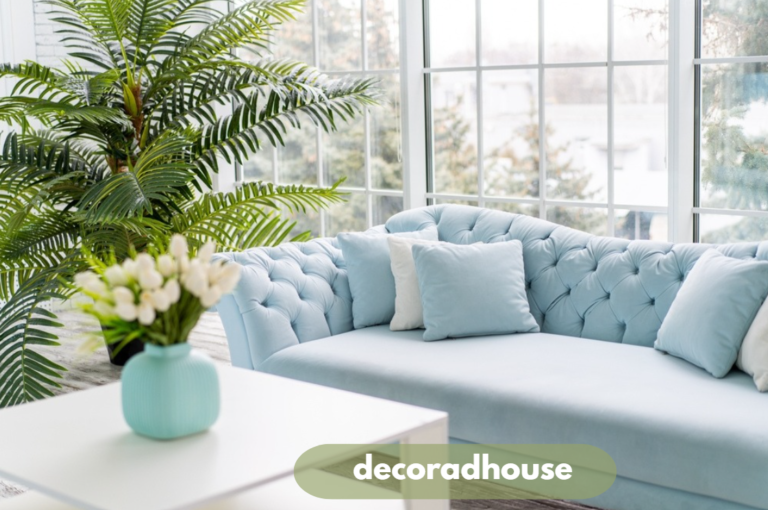
Plants brighten a room because green foliage adds color contrast, soft shapes, and height that furniture and walls lack. A leafy plant beside a plain sofa breaks up hard lines and draws the eye upward.
The U.S. Environmental Protection Agency’s Report on the Environment puts the average American’s time indoors at roughly 90 percent. That equals about 21.6 hours of every 24-hour day, so the view inside your home is the one you see most.
Most decoration tips focus on paint and furniture, which cost more and take longer to change. A plant changes a corner in the time it takes to carry it in from the car.
What are the 12 easiest indoor plant decor ideas?
The easiest ideas use plants you already own and change only their position, height, or container. Work through this list in order; the first six cost nothing or very little.
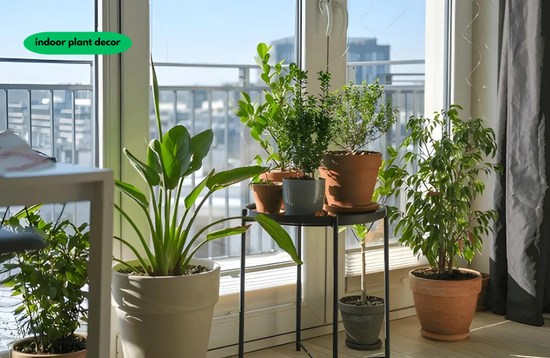
- Group in threes. Group one tall, one mid-height, and one trailing plant so the arrangement creates a triangular shape.
- Lift one plant. A stand, stool, or stack of books under one pot creates instant height variation.
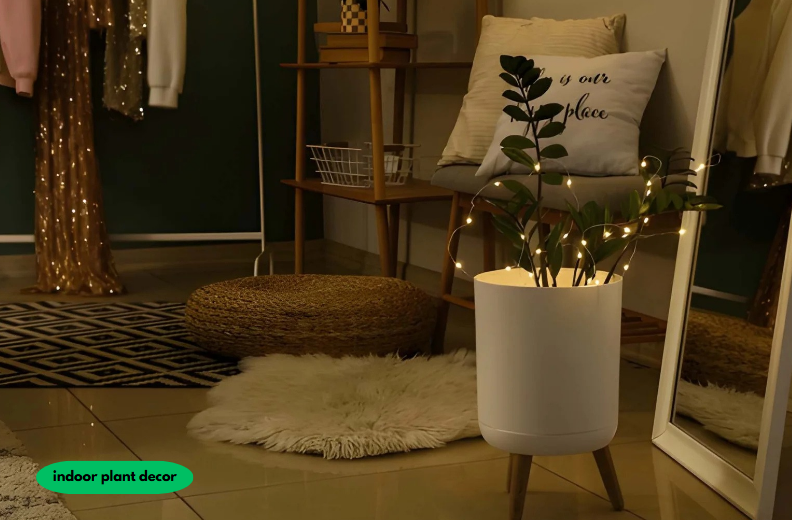
- Repeat one pot color. Choose white, terracotta, or black and use it in every room for a unified look.
- Fill an empty corner. One floor plant at least three feet tall replaces a floor lamp or side table as the corner’s anchor.
- Trail from a high shelf. Pothos or heartleaf philodendron on a bookcase top softens the hard upper edge.
- Hang plants at a window. Ceiling hooks or a tension rod keep sills clear and put foliage at eye level.
- Line a windowsill with small pots. Five identical herb or succulent pots appear as a single extended feature.
- Use a plant as a centerpiece. Keep it under 12 inches tall so diners can see each other across the table.
- Add greenery to the bathroom. Ferns thrive in shower humidity if the room has a window.
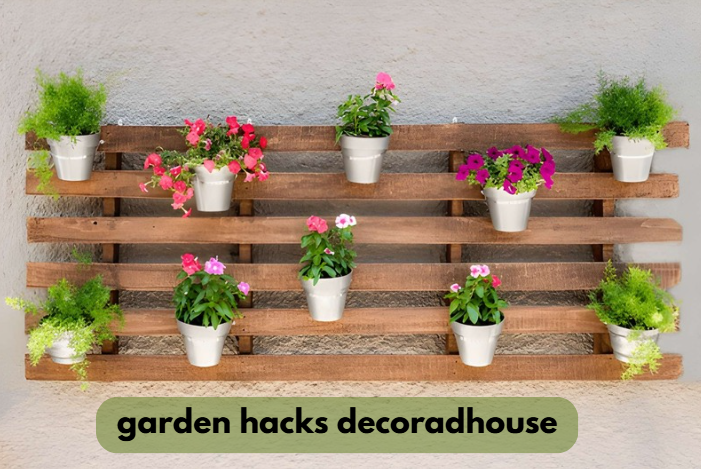
- Mount plants on the wall. Wall planters or a mounted staghorn fern add green without using floor space.
- Style a bar cart or ladder shelf. Mix plants with books and one or two objects so the shelf does not look like a nursery rack.
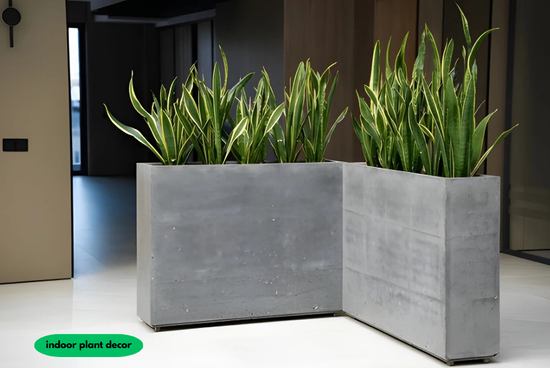
- Place a plant by the entry. A snake plant near the door tolerates drafts and low light.
Two upgrading tips give the fastest visible result: swap plastic nursery pots for ceramic covers, and wipe dusty leaves with a damp cloth. Clean leaves reflect more light and look healthier within minutes.
Where should you put plants so they stay healthy?
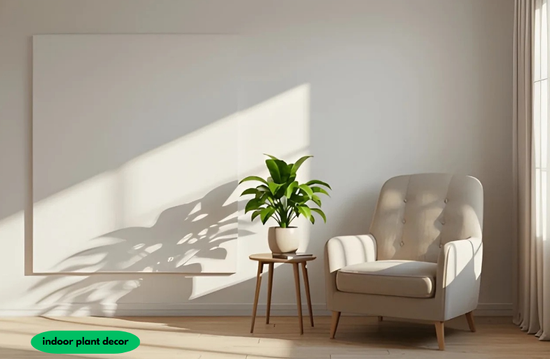
Put each plant where the light matches its needs, because a plant in the wrong light declines no matter how good it looks on day one. Outdoor garden tips rarely transfer indoors, since even a bright room is far dimmer than open shade outside.
| Light level | Foot-candles | Typical spot at home | Plants that fit | Source |
| Low | 50–250 | North window, or well back from a bright one | Snake plant, ZZ plant, pothos | University of Missouri Extension |
| Medium | 250–1,000 | East window, or beside a west window | Spider plant, peperomia, parlor palm | University of Missouri Extension |
| High | 1,000 or more | South or southwest sill | Succulents, cacti, jade plant | University of Missouri Extension |
A free light-meter app on a phone gives a usable foot-candle reading. Measure at midday, at the height where the leaves will sit.
How far from a window can a plant sit?
Most plants need to sit within a few feet of a window because indoor light fades much faster than the eye notices. A reading of 1,000 foot-candles shrinks to 100 across a gap of just a few feet, according to Mississippi State University Extension’s Care and Selection of Indoor Plants.
Set against the table, that move takes a plant from the high band to the low band, a 90 percent loss. A jade plant that thrives on the sill needs replacing with a snake plant once the spot is a bookcase a few feet back.
At decoratoradvice, the starting rule is light first, style second.
Which plant decorating mistake wastes the most money?
Buying for looks before checking the spot wastes the most money, because the plant fails and the pot bought to match it sits empty. It happens because stores display plants under bright lights, where every plant looks suited to any room.
The fix takes three steps:
- Measure the light in the empty spot.
- Choose a plant from the corresponding row in the table.
- Buy the pot last, sized one to two inches wider than the nursery pot.
Pets are the second costly oversight. ASPCA Poison Control’s Top 10 Toxins of 2025 list, published in March 2026, ranks plants and fungi sixth, at 7.5 percent of the more than 376,000 exposures it handled. That works out to more than 28,000 plant-related cases in one year, so put pet-safe choices such as spider plants, Boston ferns, and parlor palms at floor level.
Readers who want to know more about decoratoradvice will find the same approach across the site: measure first, buy second.
Windowless rooms are the exception to all of the placement advice above. A bathroom or hallway with no natural light will not keep even a snake plant alive long-term, so use a full-spectrum grow bulb on a timer, rotate two plants between that room and a bright one every few weeks, or choose preserved moss or a good faux plant.
Frequently Asked Questions
How many plants should be in a living room?
Three to five plants suit an average living room, arranged as one group and one or two single accents. More than that works if the pots share a color and the plants vary in height.
What is the easiest indoor plant for beginners?
Snake plant is the easiest starter because it tolerates low light and missed waterings. ZZ plant and pothos are close seconds and handle the same conditions.
Do indoor plants need direct sunlight?
Most houseplants do not need direct sun and grow best in bright, indirect light. Succulents and cacti are the main exceptions and belong on a south or southwest sill.
How do you decorate with plants in a small apartment?
Use vertical space with hanging planters, wall-mounted pots, and high shelves instead of floor pots. One tall, narrow plant in a corner adds height without taking up walking room.
Which indoor plants are safe for cats and dogs?
Spider plants, Boston ferns, and parlor palms are widely listed as non-toxic to cats and dogs. Pothos, snake plant, and jade plant are toxic if chewed, so keep them out of reach.
Conclusion
Good indoor plant decor starts with a light reading and ends with a pot. Group in threes, vary the height, repeat one container color, and keep every plant inside the light band it needs. A room planned that way stays green long after the first week.