
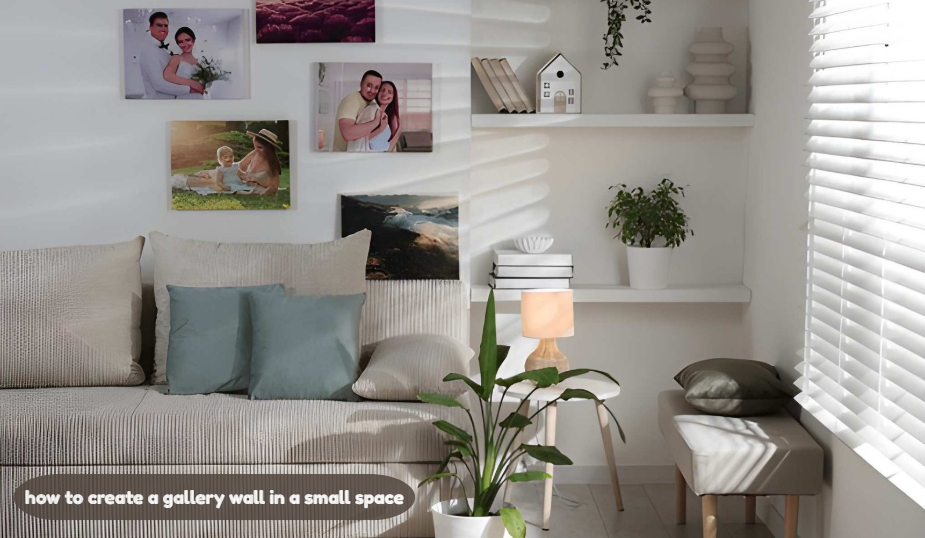
How to Create a Gallery Wall in a Small Space on a Budget
Key Takeaways
- A small gallery wall works best when you focus on layout before buying frames or artwork.
- You can build an attractive gallery wall for under $100 using thrifted frames, printable art, and personal photos.
- Vertical layouts, consistent spacing, and a limited color palette help small rooms feel larger instead of crowded.
Learning how to create a gallery wall in a small space is one of the easiest ways to make a home feel more personal without spending a lot of money. Whether you live in a small apartment in Chicago, a townhouse in Dallas, or a compact home in Seattle, wall space can become a powerful design tool when floor space is limited.
The point is not to cover every inch of wall. It is to build something balanced, personal, and connected to the rest of the room.
Why People Search for How to Create a Gallery Wall in a Small Space
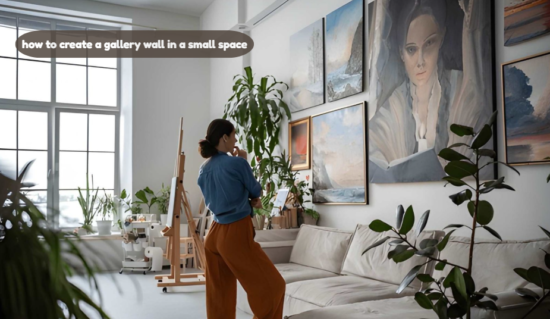
Most homeowners searching for this topic want three things—a more put-together room, reasonable costs, and a space that does not feel smaller. A well-planned gallery wall handles all three without demanding a serious investment. Understanding how to create a gallery wall in a small space makes it easier to display photos and artwork while keeping the area balanced
It really comes down to choosing a focal wall, planning a layout, finding affordable frames, and hanging artwork that means something. Small spaces respond well to vertical arrangements, consistent spacing, and a controlled color palette that does not pull the eye in six directions at once. If you’re looking to extend this clean, intentional design language to your patio or balcony, the styling guides over at Garden tips decoradhouse offers simple advice to help you create a beautiful and easy-to-maintain outdoor space.
Choosing the Best Wall for Your Gallery Display
Before spending anything, figure out where the gallery will live. Good options include above a sofa, above a bed, along a hallway, near an entryway, on a staircase wall, in a home office corner, or in a small dining nook.
Narrow walls get overlooked but often work better than wide open ones. A smaller wall tends to look intentional and considered. The same pieces spread across a massive wall can feel thin. Spend a day noticing where your eyes land when you walk in. That spot is usually the answer.
How to Create a Gallery Wall in a Small Space Without Overspending
The budget does not need to be large. Most gallery walls come together somewhere between $50 and $250 depending on how many frames you need and where the artwork comes from.
| Expense Item | Estimated Cost (Budget) | Smart Saving Tip |
| Printable Art | $5 to $30 | Digital downloads or public domain vintage prints |
| Photo Prints | $10 to $50 | Use standard matte finishes over glossy to reduce glare |
| Thrifted Frames | $2 to $15 each | Look for solid wood or metal; disregard the original art inside |
| New Budget Frames | $10 to $30 each | Multipacks from discount retailers offer the best value |
| Hanging Supplies | $10 to $25 | Heavy-duty damage-free adhesive strips avoid holes |
| Total Project Cost | $50 to $250 | Most DIYers land under $100 using personal photos |
Most projects end up near the lower end of that range. Personal photos do a lot of the heavy lifting and cost almost nothing to print.
Artwork does not need to come from a gallery or a home goods store. Family photographs work. So do travel pictures, printable wall art, vintage postcards, children’s drawings, old maps, botanical prints, handwritten notes, concert tickets, and local photography prints. One strategy I rarely see mentioned anywhere is scanning sentimental items—old letters, recipe cards, and postcards—and having them enlarged and framed. You end up with something no one else has, and it carries weight that a store-bought print never really can.
The trick with mismatched thrifted frames is paint. A single coat of the same color — black, white, or a warm natural tone — pulls everything together instantly. Those three finishes work with nearly every decorating style, which is why they show up everywhere.
Layout Choices That Work in Small Rooms
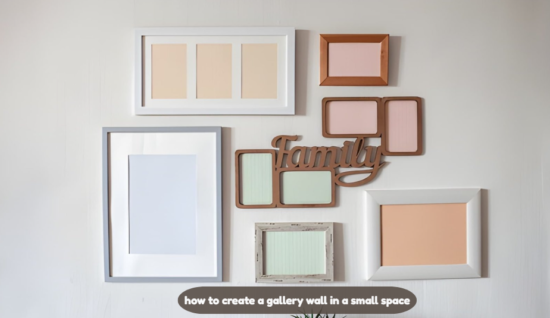
Layout has more impact than the artwork itself. A weak layout makes even great pieces look like an afterthought.
A vertical layout is the go-to for narrow walls. It draws attention upward and stretches the perceived height of the room. A grid layout works well when frames match—it feels clean and organized without much effort. A centerpiece layout anchors the arrangement around one larger frame with smaller pieces surrounding it, which works especially well above a sofa or bed. A linear layout places frames in a single horizontal row, which suits hallways, narrow desks, and entryways well.
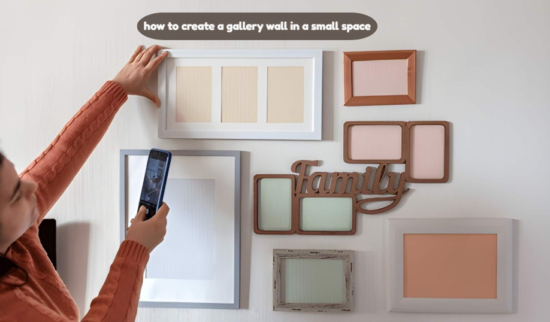
Whatever layout you choose, arrange it on the floor first. Photograph it. Compare options before touching the wall. Twenty minutes of planning saves hours of hole-patching later.
Something most gallery wall guides skip—viewing distance matters just as much as layout. A three-foot-wide hallway puts people very close to the wall, and busy detailed artwork gets lost at that range. Larger, simpler compositions read far better up close. I have seen homeowners change the feel of a narrow hallway completely just by swapping detailed prints for bolder, cleaner ones. It costs nothing if the frames are already there. Upgrading tips decoradhouse content returns to this same point—scale and placement matter more than price.
What Homeowners Are Doing in 2026
The trend is moving away from perfectly matched walls toward something more personal. Travel memory walls, family history displays, mixed frame styles, and handmade pieces are all showing up more. Home upgrade decoradtech conversations keep returning to affordable changes with real visual impact—and a personal gallery wall fits that exactly. Something built over time from meaningful pieces outlasts anything bought all at once.
How to Create a Gallery Wall in a Small Space That Means Something
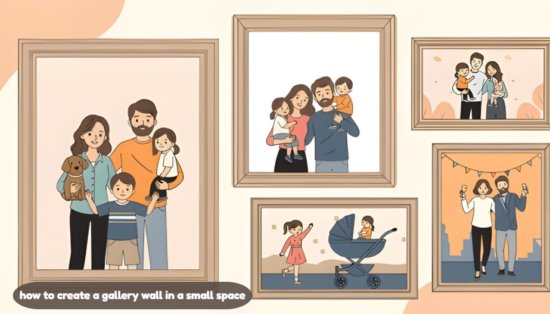
The best gallery wall is not the most expensive one. It is the one that tells you something about the person who put it together. Family memories, places visited, artwork that stuck with you for reasons you cannot fully explain, and milestones worth remembering. When someone walks into the room and looks at it, they should come away knowing something about the people who live there. Many readers who follow decoratoradvice com have moved in the same direction—choosing pieces that hold meaning over pieces that just look right in a shopping cart.
Final Thoughts
Getting this right takes no design experience and no big budget. It takes a decent wall, a plan made before any money changes hands, and artwork you actually care about. Start with what you already own. Spread it on the floor and move things around before committing to anything. The pieces that work best for your wall are probably already somewhere in your home. This guide walks through how to create a gallery wall in a small space—picking the right wall, finding affordable artwork, and building a layout that holds up.