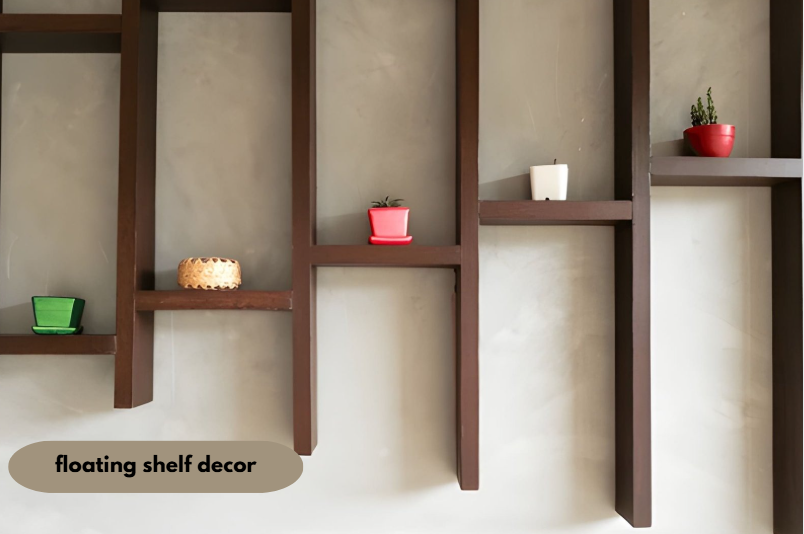
Easy Floating Shelf Decor Ideas for Bedrooms, Bathrooms, and Kitchens
Floating shelf decor refers to using wall-mounted shelves with hidden brackets to display books, plants, art, and everyday items without visible support, creating a clean and minimalist look. It works in bedrooms, bathrooms, and kitchens because it adds storage and style without taking up floor space.
If you’ve ever stood in front of a blank wall trying to figure out what goes where, you’re not alone. Floating shelves solve a real problem: they give you display space in rooms that don’t have room to spare, and they do it without screaming “storage solution.”
What Are the Best Floating Shelf Decor Ideas for Small Spaces?
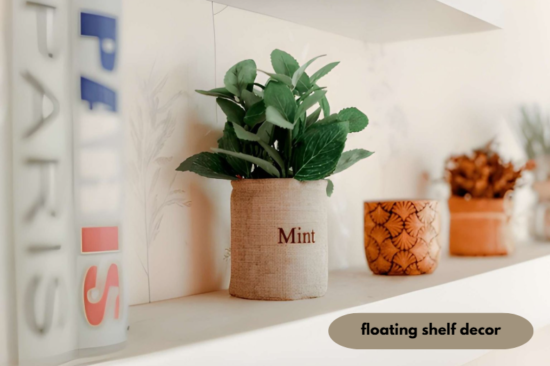
Group items in odd numbers and vary their heights so the eye has somewhere to land.
A shelf with three or five objects almost always reads better than one with an even number, because odd groupings create a natural visual rhythm instead of feeling too matched up. Mix a tall item like a vase or a small stack of books with something short and wide, and leave visible gaps of empty wall between groupings. That empty space, sometimes called negative space in design circles, is what keeps a shelf from turning into clutter.
How Do You Decorate a Small Bedroom With Limited Space?
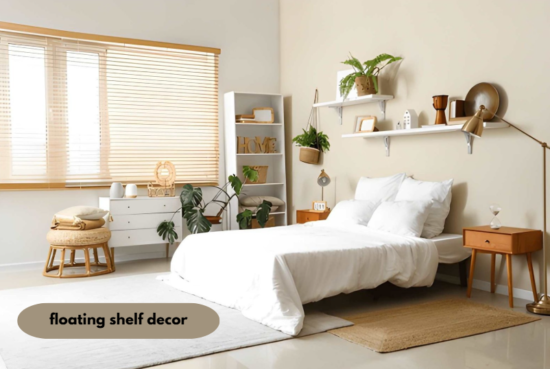
Floating shelves let you add storage and personality to a small bedroom without eating into your usable floor area, which is usually the biggest constraint in a tight room.
If you’re trying to figure out how to decorate a small bedroom with limited space, shelves above a headboard or beside a bed do double duty. They hold a lamp, a book, and a plant, replacing a bulky nightstand that would otherwise box in the room. Keep the shelf depth shallow, around six to eight inches, so it doesn’t visually crowd the space.
How Do You Decorate Floating Shelves in a Bedroom?
Decorating bedroom shelves is all about balancing lightweight visuals with safety, especially near sleeping areas.
What Should You Put on a Floating Shelf Above a Bed?
Keep items lightweight and secured, since anything above a bed should never risk falling on someone while they sleep.
Framed art, a small potted plant, and a soft reading light work well together. Skip heavy ceramics or glass in this spot. A single anchor piece, like one larger frame, paired with two or three smaller objects usually looks more intentional than a row of identical items.
Real Project Tip: In a small bedroom setup, using a single 8-inch-deep oak shelf placed 10 inches above the headboard provided enough space for a small reading lamp and a light photo frame without crowding the wall or creating a safety hazard.
How High Should Floating Shelves Be Above a Bed?
Most designers recommend mounting shelves about eight to twelve inches above the headboard.
That range keeps the shelf close enough to feel connected to the bed but leaves enough breathing room that it doesn’t look like it’s sitting directly on top of the mattress. If your ceilings are lower than eight feet, stick closer to the eight-inch mark so the room doesn’t feel top-heavy.
How Do You Style Floating Shelves in a Bathroom?
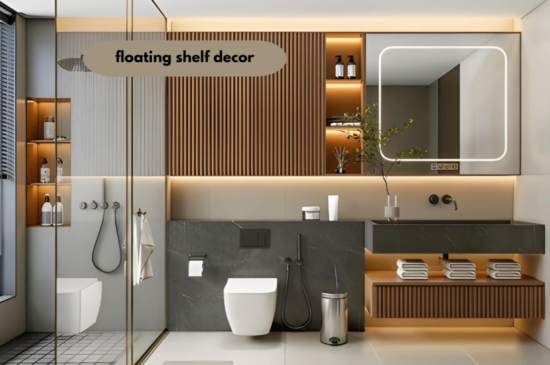
What Is the Best Height for a Floating Shelf in a Bathroom?
Around 12 to 18 inches above the counter or toilet tank is the standard range most installers use.
That height keeps the shelf accessible for everyday items like towels or skincare products while staying clear of splash zones. In smaller bathrooms, one shelf directly above the toilet tank is often the only spot with enough clearance to work.
How Do You Make Open Bathroom Shelves Look Organized?
Use matching bins or trays to group small items so the shelf reads as curated instead of random.
Rolled towels, a single plant that tolerates humidity, and a couple of glass jars for cotton balls or bath salts cover both function and style. Every few months, swap out seasonal things to keep the shelf from becoming stagnant. If you want more room-specific organizing tips like this, decoratoradvice com covers several other small-space bathroom layouts worth a look.
How Do You Use Floating Shelves for Kitchen Decor?
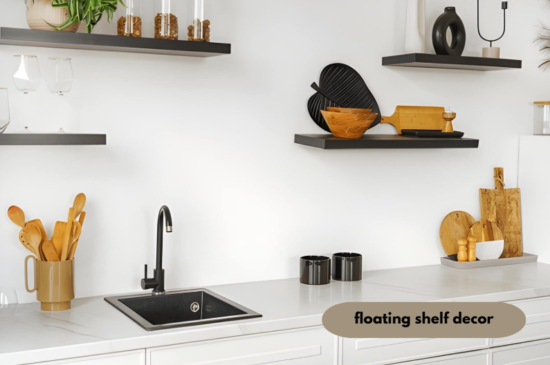
Are Floating Shelves Practical in a Kitchen?
Yes, but they work best near prep areas that don’t sit directly over the stove, where grease buildup is less of an issue.
Open shelving near a stove tends to collect grease and dust faster than shelving over a sink or counter, so placement matters more in a kitchen than in almost any other room. If you’re worried about upkeep, treat the shelf as a light-rotation display rather than permanent storage for everyday dishes.
What Do You Put on Open Kitchen Shelves Besides Dishes?
Cutting boards, a small herb plant, and a few canisters give the shelf function without turning it into extra dish storage.
Stacked cookbooks, a small piece of art, or a bowl of fruit also work if you want the shelf to feel more decorative than utilitarian.
How Do You Turn Floating Shelves Into a Gallery Wall Display?
Can Floating Shelves Replace a Traditional Gallery Wall?
Yes, ledge-style floating shelves let you layer framed art without putting a single nail hole in the wall for each piece.
This is one of the most searched approaches for how to create a gallery wall in a small space, since renters and small-room dwellers often can’t commit to a permanent nail-hole layout. Ledge shelves let you lean frames, overlap them slightly, and rearrange the whole display in minutes.
How Many Floating Shelves Do You Need for a Gallery Wall Look?
Two to three shelves stacked vertically, spaced about ten to twelve inches apart, is usually enough to create a full gallery effect.
For a more detailed walkthrough on layout spacing and frame sizing, https//decoratoradvice.com has a dedicated guide worth checking before you start hanging anything.
Floating Shelf Materials by Room
| Room | Best Material | Why It Works |
| Bedroom | Wood or laminate | Warm look, easy to match with furniture |
| Bathroom | Sealed wood, glass, or metal | Resists moisture and humidity damage |
| Kitchen | Metal or sealed wood | Easier to wipe down grease and spills |
What Mistakes Should You Avoid With Floating Shelf Decor?
Overloading a single shelf with too many small items is one of the most common mistakes, since it makes the whole display feel busy instead of curated.
Mounting shelves without checking for wall studs is another frequent issue, and it’s one of the main reasons shelves eventually sag or pull away from the wall. People also tend to place every shelf at the exact same height across a wall, which flattens the whole layout instead of giving it visual movement. Skipping a level during installation is a small step that gets rushed constantly, and it’s usually the first thing a crooked shelf gives away.
Frequently Asked Questions
How much weight can a floating shelf hold?
Most standard floating shelves hold between 15 and 50 pounds, depending on the bracket type and whether they’re anchored into studs.
Do floating shelves damage walls?
Properly installed floating shelves cause minimal damage, similar to any wall-mounted fixture, but removing them will leave small holes that need patching.
What is the standard depth for a floating shelf?
Most floating shelves range from six to ten inches deep, with bedroom and living room shelves often on the shallower end.
Can you install floating shelves without studs?
Yes, using heavy-duty wall anchors rated for the shelf’s weight, though stud mounting is always the more secure option when studs are available.
Final Thoughts
Floating shelf decor works because it solves a real problem in small rooms without pretending to be more complicated than it is. Pick one wall, start with a single shelf, and see how it changes the room before you commit to a full layout across the bedroom, bathroom, and kitchen. Take stock of what you’re already trying to display or hide, and let that guide which room you tackle first.