
Portable Air Hose Reel Freedom for Moving Between Work Areas With Ease
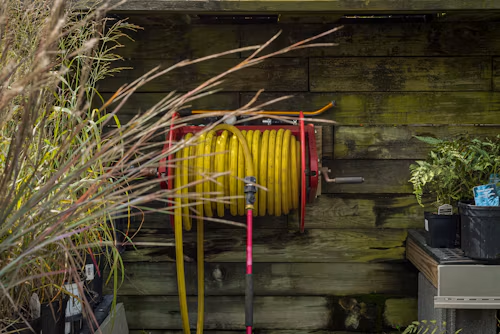
Moving an air compressor between work areas can create a storage problem. A loose hose may twist, tangle, or get caught around tools and equipment. A portable air hose reel helps keep the hose organized while making it easier to move between different tasks. It offers a practical way to manage compressed air without leaving a long hose spread across the floor.
Workshops, garages, and maintenance areas often have changing layouts. One job may require access to a vehicle, while another needs compressed air near a workbench. A portable reel makes these transitions simpler by keeping the hose together during movement. It also helps reduce clutter in spaces where several tools share the same working area.
What to Look for in a Portable Air Hose Reel
Choosing a portable air hose reel starts with understanding how the hose will be used. The reel should match the compressor, the air tools, and the distance between work areas. A suitable design can make daily tasks easier without adding unnecessary weight or taking up too much room.
Consider these important features before choosing a reel:
- Hose capacity: Check whether the reel holds enough hose to reach the areas where work usually takes place.
- Hose diameter: Match the hose size to the airflow requirements of the connected tools.
- Construction: Look for materials that can handle regular movement and workshop conditions.
- Portability: Consider the reel’s overall weight, handle design, and ease of transportation.
- Storage method: A manual or retractable design can affect how quickly the hose is stored after use.
- Connection compatibility: Check the fittings and connections before connecting the reel to an air compressor.
A reel that fits the working environment can prevent repeated adjustments. It also makes it easier to keep equipment ready for the next task.
Why Hose Diameter Matters for Air Tool Performance
Hose diameter affects how compressed air travels from the compressor to the connected tool. A hose that is too narrow for a particular application may restrict airflow, especially when the hose is long or the tool requires substantial air volume. This can affect performance during demanding jobs.
A 3/8 air hose reel is a common option for users who need a balance between airflow capacity and manageable hose dimensions. It can suit many general workshop applications, depending on the compressor’s output and the connected tool’s requirements. However, hose diameter alone does not determine performance. Hose length, pressure ratings, fittings, and the tool’s air consumption also matter.
Before selecting a reel, check the manufacturer’s specifications for both the compressor and the air tools. This simple step helps avoid compatibility problems and unnecessary pressure loss.
Top Applications for a 3/8 Air Hose Reel
A 3/8 air hose reel can support different tasks in automotive repair, woodworking, equipment maintenance, and general workshop operations. Its usefulness depends on the airflow needs of the equipment and the available hose length.
Here are several common applications:
- Automotive maintenance: Air-powered impact wrenches, ratchets, and inflation tools can benefit from a suitable 3/8-inch hose.
- Home garages: A reel helps keep compressed air available for tire inflation, cleaning, and occasional repairs.
- Woodworking shops: Pneumatic nailers and other compatible tools can use a properly sized air supply.
- Equipment servicing: Maintenance workers can move the hose between machines without carrying loose coils.
- Construction tasks: Portable arrangements can support air-powered equipment when the compressor and work area are separated.
For example, a mechanic may need compressed air at several points around a vehicle. A reel with sufficient reach can help avoid moving the compressor after every small task. The same approach works in a workshop where multiple benches share one compressor.
Retractable or Manual Reels: Which Design Fits?
The winding mechanism affects how the reel operates throughout the workday. Automatic and manual designs both have practical uses. The right choice depends on how frequently the hose moves and where the reel will be positioned.
Automatic Retractable Reels
Automatic reels use a spring mechanism to pull the hose back onto the drum. Many designs include a locking system that holds the hose at a selected length. This can be useful when workers frequently switch between tools or move around a vehicle.
Some models also include guide rollers to help the hose wind evenly. An enclosed housing can protect internal components from dust and accidental contact. However, spring-loaded reels need suitable positioning and careful handling during retraction.
Manual Rewind Reels
Manual reels use a crank or handle to wind the hose onto the drum. They provide direct control over the winding process and do not depend on a spring-powered return mechanism. This design can suit users who leave the hose extended for longer periods.
Manual operation requires more effort after each task. It may also take longer to store the hose when compared with automatic retraction. Consider how often the hose needs to be rewound before choosing between these mechanisms.
Hose Materials and Their Effect on Daily Use
The hose material influences flexibility, handling, and resistance to everyday wear. Different materials suit different working conditions. Understanding these differences can help narrow down the available options.
Hybrid polymer hoses are commonly used in general workshop environments. They combine flexibility with manageable weight, making them easier to move around equipment. Their handling characteristics can also help reduce problems associated with stiff or tightly coiled hoses.
Rubber hoses are another option for demanding environments. They can provide good flexibility and resistance to abrasion, although their weight may make a long hose more difficult to carry. PVC hoses can work for lighter applications, but their flexibility may change in colder conditions.
Before choosing a hose, check its temperature range, pressure rating, and resistance to the materials present in the workplace. A hose used around sharp edges or rough surfaces may need additional protection. These details matter just as much as the reel’s appearance.
Portable Reel or Fixed Mount: Understanding the Difference
A portable reel offers flexibility when work takes place in several locations. It can be moved between a garage, driveway, maintenance station, or temporary work area. This arrangement works particularly well when installing a permanent hose system is impractical.
Fixed reels suit workstations where the compressor and tools remain in predictable positions. Wall and ceiling mounting can keep hoses away from busy walkways. Swiveling brackets may also allow the hose to follow the operator’s movement without placing excessive strain on the connection.
Some reels support both portable and mounted arrangements. Before choosing one, examine its mounting design, base stability, and intended installation method. A reel designed for permanent mounting may not be convenient to transport regularly.
How to Set Up and Use a Portable Reel
A suitable setup starts with choosing a stable location. Keep the reel away from sharp edges, hot surfaces, and areas where vehicles or heavy equipment could damage the hose. Make sure the compressor can supply the pressure and airflow required by the connected tools.
Follow these basic steps during installation and use:
- Inspect the hose, fittings, reel, and compressor connections for visible damage.
- Position the reel on a stable surface or install it according to the manufacturer’s instructions.
- Connect the inlet hose using compatible fittings and suitable sealing methods.
- Extend the hose carefully, avoiding sharp bends and unnecessary pulling.
- Check the connections for leaks before operating pneumatic equipment.
- Release the hose lock or rewind mechanism according to the reel’s instructions.
- Store the hose neatly after use and disconnect the air supply when required.
Never exceed the pressure rating of the hose, reel, fittings, or connected equipment. The entire air system must remain within its specified operating limits. Regular inspections can also help identify wear before it causes problems.
Common Mistakes to Avoid When Choosing a Reel
A reel that looks suitable may not meet the needs of a particular workshop. Small specification differences can affect handling, airflow, and storage. Checking these details before making a selection can prevent avoidable issues.
Watch out for these common mistakes:
- Ignoring hose length: An unnecessarily short hose can limit movement, while excessive length can increase storage demands.
- Choosing the wrong diameter: A hose that cannot supply enough airflow may affect the performance of demanding pneumatic tools.
- Overlooking pressure ratings: Every component must support the pressure used by the compressor.
- Forgetting connection sizes: Incompatible fittings can prevent a secure connection or restrict airflow.
- Neglecting reel weight: A heavy reel may become inconvenient when it needs to move between work areas.
- Ignoring retraction controls: Poorly managed retraction can cause unnecessary strain or damage to the hose.
A careful comparison of these features makes it easier to find equipment that fits the actual working environment.
Maintenance Tips for Longer Hose and Reel Life
Regular maintenance helps keep an air hose reel ready for everyday use. Even a well-built reel needs occasional inspection, especially in workshops where equipment moves frequently. A simple maintenance routine can help identify potential issues early.
Start by checking the hose for cracks, cuts, flattening, and unusual bulges. Inspect the fittings for visible damage and signs of air leakage. If the reel has a spring mechanism, guide rollers, or a locking system, follow the manufacturer’s maintenance instructions.
Keep the reel free from excessive dust, metal particles, and debris. Avoid forcing the hose onto the drum when it becomes twisted or tangled. When the equipment is not in use, store it in a suitable location away from direct heat and damaging substances.
If the reel develops unusual resistance, fails to lock, or retracts unexpectedly, stop using it until the problem has been addressed. Never attempt to repair pressurized equipment without following the correct safety procedure.
How to Find the Right Reel for Your Workspace
The right reel depends on the type of work, available space, and frequency of movement. A home garage may need a compact setup for occasional inflation and cleaning tasks. A busy automotive workshop may benefit from a longer hose and a reliable retraction system.
Start by identifying the tools that will connect to the reel. Check their airflow requirements and compare them with the compressor’s output. Next, measure the distance between the compressor and the farthest working position.
Think about storage as well. A compact reel may fit comfortably in a small garage, while a larger workshop may accommodate a longer hose or a wheeled setup. Choosing equipment around these practical requirements helps create a more organized workspace.
Frequently Asked Questions
What is a portable air hose reel used for?
A portable air hose reel stores and manages an air hose while allowing users to move it between work areas. It helps keep the hose accessible and reduces loose equipment around the workspace.
Is a 3/8 air hose reel suitable for impact wrenches?
Yes, many impact wrenches can work with a 3/8-inch hose. Check the tool’s airflow requirements, hose length, and compressor capacity to confirm compatibility.
What is the difference between a portable and retractable air hose reel?
A portable reel is designed for movement between locations. A retractable reel uses a mechanism to wind the hose back onto its drum. Some models combine both features, while others are intended for fixed installation.
How long should an air hose be for a workshop?
The ideal length depends on the workspace layout and the distance between the compressor and the tools. Measure the working area before selecting a reel to avoid unnecessary hose length or limited reach.
How can I prevent an air hose reel from tangling?
Extend the hose without twisting it and avoid pulling it around sharp corners. When storing it, use the reel’s guide system or wind it evenly according to the manufacturer’s instructions.
Final Thoughts
A well-matched hose reel makes it easier to manage compressed air across different work areas. Portability, hose diameter, storage capacity, and retraction style all affect how comfortably the equipment fits into daily tasks.
A portable air hose reel can be especially useful when a fixed air supply does not cover every working position. Meanwhile, a 3/8 air hose reel offers a practical hose size for many common pneumatic applications. Comparing these features with the compressor and tools already in use helps create a setup that supports safer handling, organized storage, and consistent access to compressed air.