Modern Breakfast Nook Ideas for Small Kitchens on a Budget
A breakfast nook is a compact eating area built into a kitchen corner, window bay, or unused wall, using a bench, table, or built-in seating. Small-kitchen breakfast nook ideas that cost under $500 typically use a bistro table or floating bench instead of custom carpentry.
Key Takeaways
- Breakfast nook ideas for small kitchens range from a $150 bistro-table setup to a $2,000+ built-in banquette.
- A built-in banquette costs more per seat than a freestanding table but seats more people in the same footprint.
- The median size of new U.S. single-family homes fell to 2,176 square feet in Q3 2025, pushing more homeowners toward compact dining setups.
- A 42-inch walkway clearance behind any nook seating prevents the most common layout mistake in small-kitchen remodels.
- Smart lighting and USB charging add-ons cost under $50 and turn a nook into a workspace, not just a breakfast spot.
Breakfast nook ideas for a small kitchen do not require a full renovation budget. A well-placed bench, a secondhand table, or a corner banquette turns a dead corner into usable seating for under $500 in most cases.
What Is a Breakfast Nook?
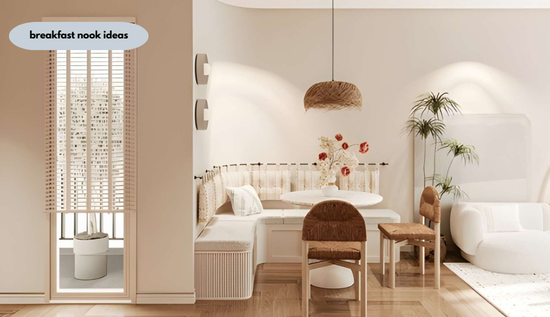
A breakfast nook is a small, dedicated eating area inside or adjacent to a kitchen, typically seating two to four people and often built into a corner or window alcove.
Why Small Kitchens Benefit From a Breakfast Nook
A breakfast nook replaces a full dining table in kitchens under 150 square feet, freeing floor space while still providing seated eating. New homes have shrunk for several straight years, and compact kitchens increasingly skip a separate breakfast room, consolidating cooking, eating, and casual work into one zone.
Budget Breakfast Nook Ideas That Work in Small Kitchens
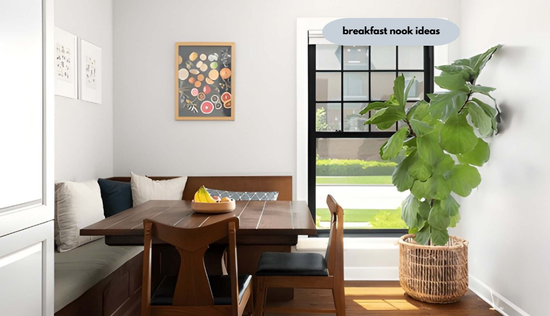
1. Corner Banquette With Storage
A corner banquette seats three to four people in an L-shaped bench and typically includes hidden storage underneath for pantry items or linens. Building one from stock cabinet boxes costs less than custom millwork while using every inch of a tight corner.
2. Freestanding Bistro Table and Two Chairs
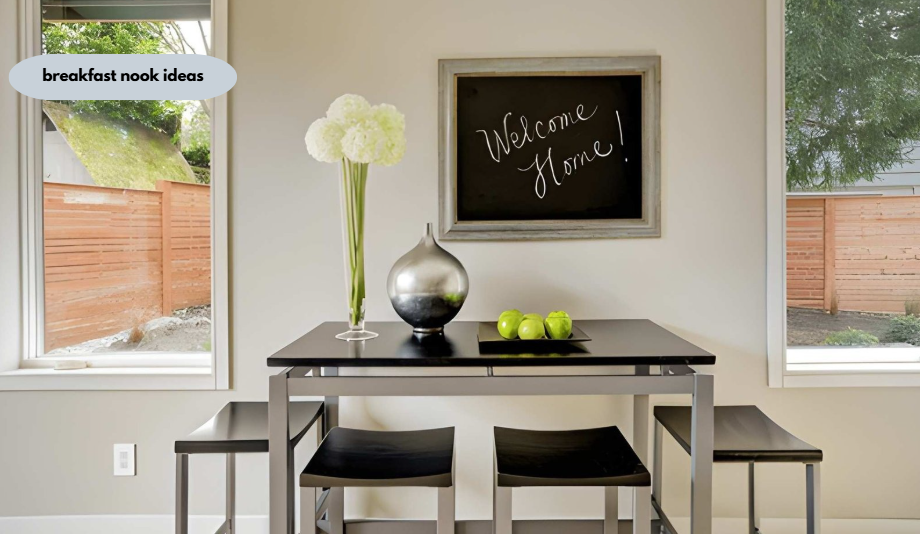
A bistro table paired with two folding or stacking chairs is the lowest-cost breakfast nook idea, often assembled for under $200 using secondhand or flat-pack furniture. It requires no construction and can be moved or resized as needs change.
3. Window Seat With Cushions
A window seat uses an existing sill or a simple plywood box under a window to create bench seating without adding square footage to the room. A cushion, throw pillows, and a slim ledge turn unused wall space into a breakfast spot.
4. Bar-Height Counter Extension
A bar-height counter extension attaches to an existing island or wall and pairs with two or three stools, avoiding the need for a separate table. Stools tuck fully under the counter when not in use, which matters most in galley-style layouts.
5. Expandable Drop-Leaf Table
A drop-leaf table folds down to a narrow console against the wall and expands to seat four when guests visit, solving the space problem without sacrificing seating capacity. Most drop-leaf tables cost less than a fixed banquette and require zero installation.
Original Cost Data: Cost Per Seat by Nook Type
Cost-per-seat is the number most comparison guides skip, and it changes which layout makes financial sense for a small kitchen.
| Nook Type | Typical Total Cost | Seats | Cost Per Seat |
| Bistro table + 2 chairs | $150–$300 | 2 | $75–$150 |
| Window seat (DIY) | $200–$450 | 2–3 | $67–$150 |
| Drop-leaf table | $250–$500 | 2–4 | $63–$125 |
| Corner banquette (semi-custom) | $800–$1,500 | 3–4 | $200–$500 |
| Full built-in banquette | $1,800–$3,200 | 4–5 | $360–$800 |
These cost-per-seat figures are calculated from the estimated project ranges and seating capacities shown in the table. Actual costs vary by materials, location, installation, and whether the work is DIY or professionally installed.
Regional Cost Differences and the Clearance Mistake
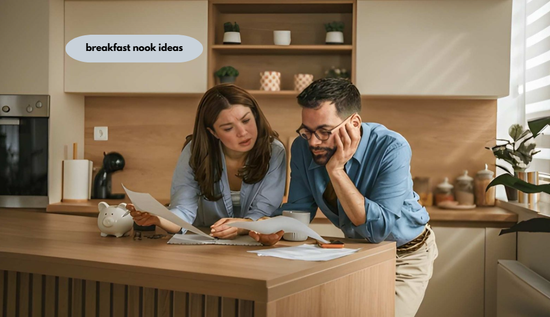
Labor costs for custom banquette carpentry vary by region: contractors in the Northeast and West Coast metro areas generally charge 30 to 40 percent more per linear foot than contractors in the Midwest and South. A banquette costing $1,800 in Ohio can run closer to $2,500 in coastal California for the identical design.
When planning your nook, a few decoration tips can help you make the space feel finished without adding unnecessary costs. Focus on practical details such as the table size, seating comfort, lighting, cushions, and a few decorative accents that complement the rest of the kitchen.
The most common measurement mistake in budget nook builds is placing the table too close to the walking path between the counter and the exit. For a comfortable kitchen layout, allow adequate clearance behind seating, especially where people need to walk through. A 42-inch clearance is a useful planning target for busy passageways.
Step-by-Step: Planning a Breakfast Nook on a Budget
- Measure the space, including 42 inches of clearance for any walkway behind the seating.
- Choose a freestanding table (fastest, cheapest) or a built-in bench (more seats, more cost).
- Match seating height: standard table height is 28–30 inches, and counter height is 34–36 inches.
- Set a budget, then price cushions, table, and lighting separately before committing to built-ins.
- Add one pendant light centered over the table.
- Add storage: under-bench drawers or open shelving.
Common Mistakes and Exceptions
Most budget guides state a fixed nook size without accounting for daily use. A nook built for morning coffee for two does not need the same footprint as one doubling as a laptop station in the evening. When a nook serves as a workspace, adding six to eight inches of table depth and a nearby outlet outweighs standard seating-only measurements. This exception does not apply to nooks used only for quick meals, where a narrower 24-inch-deep table saves floor space.
Smart Upgrades for a Modern Breakfast Nook
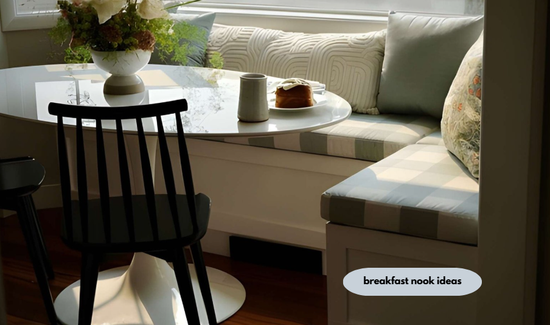
Battery-powered LED puck lights and USB charging strips add nook functionality for under $50 without electrical work. A home device from DecoradTech-style smart lighting kits mounts under a shelf and runs from a phone app, which suits renters. For a broader home upgrading smart-outlet retrofit later running a charging strip along the bench now avoids redoing trim twice.
Frequently Asked Questions
What is the cheapest way to add a breakfast nook to a small kitchen?
The cheapest option is a secondhand bistro table with two folding chairs, typically under $200 total. A $20–$40 cushion set improves comfort without adding much cost.
How much space do I need for a breakfast nook?
A functional breakfast nook needs a minimum of 6 feet by 6 feet, including 42 inches of walkway clearance behind any seat facing a through path. Corner layouts work in smaller footprints because the bench replaces two sides of chair clearance with a wall.
Can I build a breakfast nook without built-in seating?
Yes, a table with movable chairs or stools qualifies as a nook if it creates a defined eating zone. This costs less and lets the layout change later, which is why it is common in rentals and starter homes.
What is the standard size for a breakfast nook table?
A standard breakfast nook table for two to four people measures 30 to 42 inches across, at a height of 28 to 30 inches. Round tables under 36 inches work best in tight corners since they eliminate sharp edges in a walkway.
Do breakfast nooks add value to a home?
A breakfast nook does not typically raise a home’s appraised value on its own, but listings that mention one see stronger buyer interest in starter-home markets. This distinguishes marketing appeal from appraised value, which appraisers do not calculate as a separate line item.
How much does a built-in breakfast nook cost?
A semi-custom banquette costs $800 to $1,500, while fully custom carpentry runs $1,800 to $3,200 depending on region. Regional labor rates account for most of that spread.
What’s the difference between a breakfast nook and a dining nook?
A breakfast nook is typically smaller and sits directly against the kitchen, while a dining nook can sit in an adjacent room and seat more people. DecoratorAdvice and similar renovation resources generally use the terms interchangeably for kitchens under 200 square feet.
Conclusion
Breakfast nook ideas for a small kitchen on a budget come down to one choice: a freestanding table for the lowest cost and fastest setup, or a built-in banquette for more seats in the same footprint. The cost-per-seat data shows freestanding options run a third to a fifth of custom carpentry, while the 42-inch clearance rule prevents the mistake that makes most budget nooks feel cramped.