
How Seattle Property Owners Can Prepare for Fire, Water, and Storm Damage
Key Takeaways
- Small preparation steps can reduce damage during water, fire, and storm emergencies.
- Safety comes before cleanup, repairs, or insurance paperwork.
- Photos, videos, receipts, and written notes create a stronger damage record.
- Water damage needs prompt attention because moisture can spread into hidden materials.
- Drainage, roofing, shutoff valves, alarms, and emergency contacts should be reviewed regularly.
- Major repairs may involve mitigation, permits, inspections, and reconstruction.
Table of Contents
- Why Preparation Matters in Seattle
- Common Property Damage Risks
- What to Do Before an Emergency
- What to Do in the First Few Hours
- How to Document the Damage
- Insurance and Claim Basics
- The Typical Repair Process
- A Simple Prevention Plan for 2026
- Frequently Asked Questions
- Final Thoughts
Seattle property owners face a wide range of risks, from persistent rain and clogged drainage to plumbing failures, wind damage, and fires. A practical emergency plan can make the first hours less chaotic and help protect people, buildings, and important records. For larger losses affecting offices, multifamily properties, or retail spaces, understanding the basic stages of commercial restoration Seattle property owners may need can also make recovery decisions easier.
Preparation does not mean predicting every possible emergency. It means knowing how to shut off water, who to call, where records are stored, and when a situation is too dangerous to handle alone. The right response can limit secondary damage while creating a clearer path toward insurance review, mitigation, and repairs.
Why Preparation Matters in Seattle
Rain, wind, aging building systems, steep lots, and drainage problems can all contribute to property damage. A slow leak can become a damaged ceiling and flooring issue. A storm can loosen roof materials, allow water inside, and create damp conditions that affect insulation and finishes. Seattle property owners in hillside areas should pay close attention to runoff and soil movement. The city’s landslide preparation guidance recommends maintaining drainage, checking downspouts, and watching slopes for erosion or movement.
A written plan is especially useful when tenants, family members, employees, or property managers may need to act quickly. For example, a burst kitchen supply line can damage cabinets, flooring, the ceiling below, and stored belongings in a short time. Knowing where the main water shutoff is located may prevent a manageable leak from becoming a major loss.
Common Property Damage Risks
- Water damage: Burst pipes, appliance failures, roof leaks, overflowing fixtures, and sewer backups.
- Fire damage: Flame damage, smoke, soot, heat, and water used for firefighting.
- Wind and tree damage: Fallen limbs, damaged roofs, broken windows, and openings in exterior walls.
- Drainage and slope issues: Saturated soil, runoff near foundations, erosion, and water entering lower levels.
- Vehicle impact: Damage to garages, storefronts, support posts, exterior walls, and building systems.
One incident can create multiple problems. A damaged roof, for instance, may lead to water intrusion, ruined insulation, staining, and mold concerns if materials remain wet.
What to Do Before an Emergency
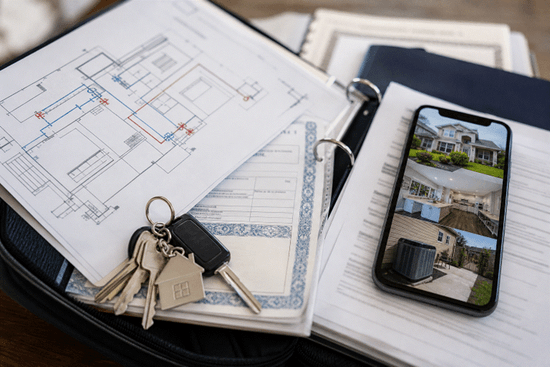
Create a basic property file, stored digitally and in a safe physical location. Include the main water shutoff, electrical panel, gas shutoff, emergency contacts, insurance policy details, recent repair receipts, and photographs of rooms, appliances, finishes, and valuable contents.
Seasonal Maintenance Checklist
- Clear gutters, drains, and drainage paths.
- Check downspouts and extensions for blockages or poor discharge locations.
- Inspect visible roof edges, flashing, seals, and attic areas.
- Test smoke alarms and carbon monoxide alarms.
- Look for stains, damp odors, cracks, soft flooring, and leaking fixtures.
- Trim unsafe branches near structures and power lines.
What to Do in the First Few Hours
Safety is always the first priority. Leave the property and call emergency services if there is a fire, a gas odor, exposed wiring, major structural damage, a sagging ceiling, or another immediate threat. Do not enter standing water if electricity could be present.
Safe First Steps
- Stop the source of damage only if it is safe, such as shutting off water at a valve.
- Keep people and pets away from smoke, debris, wet electrical areas, and unstable surfaces.
- Move small belongings away from the affected area when possible.
- Take reasonable steps to prevent additional damage without beginning major reconstruction.
- Contact the insurer and arrange qualified help for urgent conditions.
Avoid walking through contaminated water, tearing out structural materials without assessment, painting over stains, discarding items before documenting them, or making permanent repairs before the loss is recorded.
How to Document the Damage
Clear documentation helps everyone involved work from the same facts. Start outside, then photograph each affected room from wide angles before taking close-up images of stains, broken materials, soot, debris, standing water, and damaged belongings. Short videos can help show the overall extent of the loss.
- Create a room-by-room list of affected materials and contents.
- Save receipts for cleanup supplies, emergency work, storage, and temporary lodging.
- Write down dates, times, claim numbers, names, and summaries of important calls.
- Keep damaged items when practical until the insurer advises otherwise.
Insurance and Claim Basics
Coverage depends on the policy, the cause of loss, exclusions, deductibles, limits, and endorsements. Review the policy carefully and ask the insurer what documentation is needed. Useful questions include whether emergency mitigation is covered, whether temporary living or business interruption costs may apply, and whether an adjuster needs to inspect before non-emergency repairs begin.
Emergency mitigation and permanent rebuilding are different stages. Mitigation may involve removing water, drying materials, securing roof openings, or controlling debris. Reconstruction may require estimates, permits, inspections, and decisions about finishes or code-related upgrades.
The Typical Repair Process
- Safety review: Determine whether the property can be entered safely.
- Damage assessment: Identify visible and hidden damage.
- Emergency mitigation: Address immediate moisture, debris, openings, or safety hazards.
- Documentation: Record conditions, materials, and work performed.
- Scope development: Define the repairs required for restoration.
- Permits and specialists: Involve engineers or trade professionals when structural, electrical, plumbing, or code issues apply.
- Reconstruction and final review: Complete repairs and confirm the property is safe, clean, and properly documented.
A Simple Prevention Plan for 2026
Monthly, look under sinks and around water heaters for moisture, check for new stains or odors, and confirm that emergency contacts remain current. Seasonally, clean gutters, inspect roof drainage, review evacuation plans, test alarms, and inspect trees or slopes after severe weather.
For long-term resilience, consider leak sensors near high-risk fixtures, drainage improvements near foundations, secure digital document storage, and insurance updates after renovations or major purchases. Eligible Seattle properties may also explore RainWise rain gardens and cisterns, which are designed to manage roof runoff and reduce stormwater entering the sewer system.
Frequently Asked Questions
How fast should water damage be addressed?
Act as soon as it is safe. Fast action can reduce damage to flooring, walls, insulation, furnishings, and hidden building materials.
Can property owners handle the cleanup themselves?
Small clean-water incidents may be manageable, but contaminated water, fire damage, structural concerns, and widespread moisture require trained help.
When are permits needed?
Requirements vary by project. Structural changes, major reconstruction, electrical work, plumbing work, and other regulated repairs may require permits or inspections.
Final Thoughts
Property emergencies are stressful, but preparation provides a practical advantage. A clear plan for the first hour, the first day, and the repair process that follows can help Seattle owners protect people, preserve documentation, reduce further damage, and move forward with greater confidence.
Visit: Decoratoradvice.co for more useful content.