
How to Decorate a Home on a Low Budget Without Making It Look Cheap
Decorating a stylish home doesn’t have to be expensive. Most of the time, it’s really about how you use your space, not how much you spend. Today, many American homeowners and renters are trying to figure out how to decorate a home on a low budget while still making the space feel modern, cozy, and well put together.
A few small changes can make a big difference—like moving furniture around, letting in more natural light, or switching to soft, neutral colors that feel calm and clean.
You also don’t need a lot of decor. Just one or two simple pieces, like a nice lamp, a mirror, or a small artwork, can bring a room together nicely.
At the end of the day, it’s about keeping things simple and adding your own touch so the space feels warm, comfortable, and truly yours.
Start With a Clear Design Plan Before Buying Anything

One of the smartest ways to save money on home decor is simply avoiding impulse purchases and starting with a clear plan. Many people waste hundreds of dollars buying trendy decor pieces that never fit together properly. When learning how to decorate a home on a low budget, it helps to remember that using fewer colors often creates a more polished and high-end look.
Before purchasing anything, create a simple vision for your space.
Ask Yourself These Questions
- What feeling do I want the room to have?
- Do I prefer a modern, cozy, minimalist, farmhouse, or contemporary style?
- Which furniture pieces already work well?
- What absolutely needs replacing?
- What can be updated instead of thrown away?
A clear direction helps prevent expensive decorating mistakes.
Stick to a Simple Color Palette
Professional interior designers often use neutral foundations because they automatically make rooms look cleaner and more expensive.
Affordable color combinations that work beautifully include white and beige, warm gray and black, cream and wood tones, sage green and off-white, and soft taupe with gold accents.
Focus on High-Impact Areas First
Instead of decorating the entire house at once, prioritize spaces people notice most.
Start with:
- The Living Room: The main social hub where guests spend the most time.
- The Entryway: Your home’s first impression; a small mirror and a neat console table go a long way.
- The Dining Area: A space easily elevated with a clean table setup and cozy lighting.
Improving one room properly often looks better than partially decorating five rooms. For more inspiration, you can check out some of our favorite budget breakdowns over at decoratoradvice.com, where simple design tips are shared to help you decorate your home beautifully without overspending.
Use Affordable Upgrades That Instantly Make a Home Look Expensive
You do not always need brand-new furniture to transform a room. The greatest visual impact can occasionally be achieved with minor improvements.
Improve Lighting First
Lighting is one of the fastest ways to make a home feel luxurious.
Many budget homes look dull simply because they rely on harsh overhead lighting.
Instead, layer your lighting with:
- Floor lamps
- Warm LED bulbs
- Table lamps
- Wall sconces
- Under-shelf lighting
Warm lighting creates softness and depth, making rooms instantly feel more inviting.
Add Curtains the Right Way
We’ve all seen short curtains, and let’s be honest—they instantly make a room look unfinished.
For a designer-style effect:
Hang your curtain rod 4–6 inches above the window frame and extend it 3–6 inches past the sides. This tricks the eye into thinking your windows are massive and your ceilings are soaring.
This simple trick makes ceilings appear taller and rooms feel larger.
Upgrade Hardware and Small Details
Replacing tiny elements can dramatically improve a home’s appearance without major renovation costs.
Consider updating:
- Cabinet handles
- Drawer pulls
- Faucet fixtures
- Lamp shades
- Switch plates
- Door handles
Matte black, brushed gold, and modern silver finishes often create a cleaner, more upscale appearance.
Use Mirrors to Create Space
Mirrors reflect light and make rooms feel brighter and bigger.
Budget-friendly mirror ideas include:
- Large leaning mirrors
- Round entryway mirrors
- Gallery wall mirrors
- Vintage thrifted mirrors
A properly placed mirror can completely transform a small room.
Smart Furniture and Decor Choices That Save Money
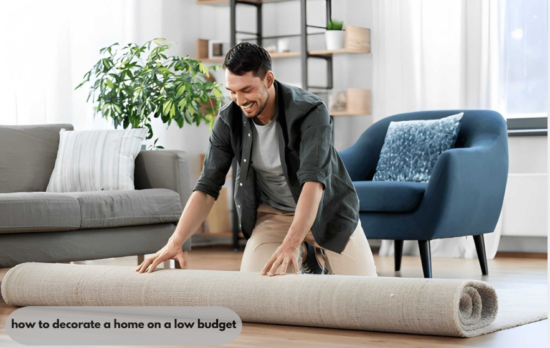
When people research how to decorate a home on a low budget, furniture decisions usually become the biggest challenge. The good news is you do not need luxury brands to create a stylish home.
Mix Affordable Pieces With One Statement Item
A home looks expensive when there is balance.
Instead of buying many cheap decorative items, invest in one focal point such as:
- A large area rug
- A stylish coffee table
- A statement headboard
- An oversized mirror
- A quality sofa
Then combine it with affordable accessories.
This technique creates visual hierarchy, which is something professional designers use constantly. (For step-by-step visual guides on these spaces, check out the budget breakdowns at about decoratoradvice .com .
Shop Secondhand Strategically
Some of the best budget-friendly home decor finds come from places like Facebook Marketplace, thrift stores, estate sales, flea markets, and antique shops
. In many cases, solid wood furniture, vintage mirrors, and timeless decor pieces cost far less secondhand than buying brand-new low-quality versions. When shopping, look for items with a strong structure, neutral colors, timeless shapes, and easy-to-paint surfaces because these pieces are easier to update and style
. Even a simple coat of paint can completely transform old furniture and make it look modern, stylish, and more expensive.
Avoid Overdecorating
One common budget decorating mistake is trying to fill every empty corner.
Luxury-inspired interiors usually feel balanced and uncluttered.
Instead of overcrowding a room:
- Leave open space
- Use fewer but larger decor pieces
- Keep surfaces organized
- Limit small accessories
Minimal clutter automatically looks more sophisticated.
Use Texture Instead of Expensive Decor
Texture adds richness to a room without requiring a huge budget.
Affordable ways to add texture include:
- Knit throws
- Linen pillow covers
- Woven baskets
- Wood accents
- Soft rugs
- Ceramic vases
Layering textures creates warmth and depth that make homes feel professionally designed.
DIY and Budget Decorating Ideas That Actually Look Stylish
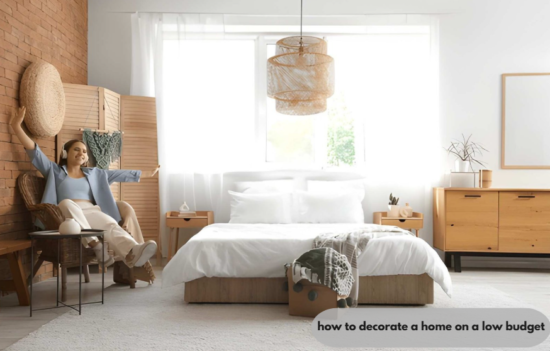
DIY decorating can save money, but only when done thoughtfully. Poorly executed DIY projects often end up making spaces look unfinished.
The goal is to create clean, intentional upgrades.
Paint Is Still the Most Powerful Budget Tool
Fresh paint dramatically changes a room faster than almost anything else.
Popular modern paint colors in the USA include:
- Warm white
- Greige
- Soft olive
- Dusty blue
- Beige-taupe blends
Painting walls, cabinets, or even old furniture can instantly modernize your space.
Create Simple Wall Art
Blank walls make rooms feel incomplete, but expensive artwork is not necessary.
Affordable wall decor ideas:
- Printable art downloads
- Black-and-white photography
- Framed fabric patterns
- Minimalist gallery walls
- DIY canvas painting
Large-scale artwork often looks more expensive than many tiny frames.
Decorate With Plants
Plants bring life into a room and make interiors feel fresher and more welcoming.
Low-maintenance options include the following:
- Snake plants
- Pothos
- ZZ plants
- Faux olive trees
- Small succulents
Even one large indoor plant can elevate an entire room.
Rearrange What You Already Own
Sometimes the best decorating solution costs nothing.
Try:
- Moving furniture away from walls
- Swapping decor between rooms
- Removing unnecessary items
- Repositioning rugs
- Styling shelves differently
Many homes already have good pieces—they simply are not arranged effectively. A growing trend in interior design is home upgrade decoradtech, where simple decor changes and smart upgrades work together to improve the overall look and feel of a home.
Common Budget Decorating Mistakes That Make Homes Look Cheap
If you truly want to master how to decorate a home on a low budget, avoiding mistakes matters just as much as following good ideas.
Buying Everything at Once
Stylish homes usually evolve gradually.
Rushing to fill every space often leads to:
- Random styles
- Poor quality purchases
- Cluttered rooms
- Trend overload
Take your time and build your home intentionally.
Following Every Trend
Trends change quickly, so a smarter approach is combining timeless furniture pieces with a few trendy accents.
Keep larger investments like sofas, beds, dining tables, and rugs classic so they remain stylish for years. Then, bring in current trends through smaller and more affordable decor items like pillows, candles, artwork, and throws, which are easier and cheaper to update over time.
Ignoring Scale and Proportion
Tiny rugs, small artwork, or undersized furniture can make rooms feel awkward.
A few sizing tips:
- Rugs should partially fit under furniture
- Artwork should fill enough wall space
- Coffee tables should match sofa scale
- Curtains should appear full, not flat
Correct proportions make affordable spaces look professionally designed.
Using Too Many Tiny Decorations
Too many small decorative objects create visual chaos.
Instead:
- Group items in odd numbers
- Use trays for organization
- Choose larger statement pieces
- Leave breathing room
Designer homes often look expensive because they feel calm and intentional.
Final Thoughts on How to Decorate a Home on a Low Budget
Learning how to decorate a home on a low budget is really about making thoughtful decisions instead of expensive ones. A beautiful home doesn’t come from how much you spend — it comes from balance, lighting, texture, and how a space feels when you enter it.
The most welcoming interiors are not filled with expensive items. They are simple, calm, and carefully arranged so everything has a purpose and nothing feels forced.
You don’t need big changes to improve your home. Small steps work better — better lighting, a cleaner layout, and removing things that don’t belong can instantly change the mood of a room.
Take it slow, one room at a time. A good home is built gradually, not in a rush.
Most importantly, your home should feel real and personal, not like a copied trend. When it reflects your lifestyle, it always looks naturally beautiful, no matter the budget.
With that in mind, which of these budget-friendly tips would you feel most comfortable trying first?