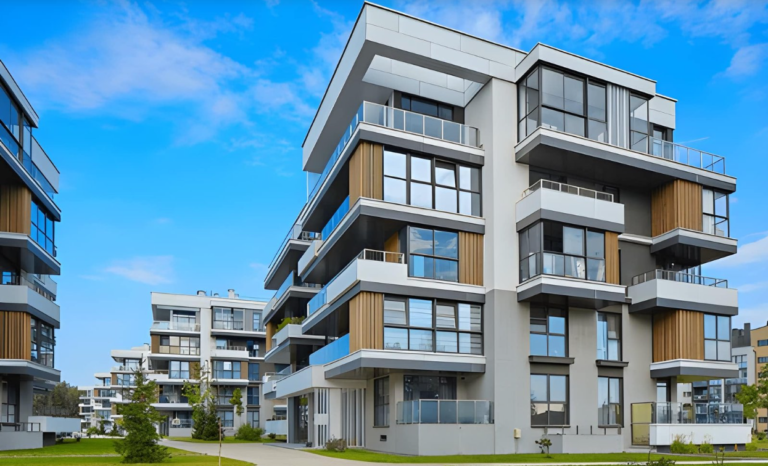
Property Value Trends: What Neighbourhood Growth Means for Buyers
When buying a home in the UK, location has always mattered, but today, neighbourhood growth plays a bigger role than ever in shaping property values. From regeneration projects and transport upgrades to changing demographics, the areas we choose to live in can significantly affect both lifestyle and long-term financial outcomes.
For buyers, understanding property value trends at a neighbourhood level is essential. Whether you’re a first-time buyer, home mover, or investor, knowing how and why certain areas grow can help you make smarter decisions and avoid costly mistakes.
This guide explains what neighbourhood growth really means, how it impacts property prices, and what buyers should look out for before committing to a purchase.
What Is Neighbourhood Growth in the UK Property Market?
Neighbourhood growth refers to positive changes within a local area that increase its desirability, demand, and ultimately property values. Growth is not limited to rising prices alone, it usually reflects wider economic, social, and infrastructure improvements.
Economic and Residential Growth
Areas that attract new employers, business hubs, or commercial developments often see increased housing demand. When more people want to live close to work opportunities, competition for homes rises, pushing prices upward.
Regeneration and Urban Development
Across the UK, many towns and cities have benefited from regeneration schemes. These projects may include:
- Redevelopment of derelict or brownfield land
- Town centre improvements
- New residential and mixed-use developments
When done well, regeneration can transform previously overlooked neighbourhoods into highly sought-after places to live.
Infrastructure Investment
Improved transport links, new schools, healthcare facilities, and community spaces all contribute to neighbourhood growth. Transport upgrades in particular — such as new railway stations or improved road access, often have a strong and lasting impact on property values.
How Neighbourhood Growth Impacts Property Values
Growth influences property prices in different ways depending on timing, scale, and sustainability. While headline regeneration projects often grab attention, interpreting what they really mean for pricing usually depends on local context. This is where insight from market-aware estate agents who are closely involved with neighbourhood-level activity and buyer behaviour can be useful, as they often see how early-stage changes translate into real demand and price movement on the ground.
Short-Term Price Increases
Announcements of regeneration or infrastructure projects can lead to a quick uplift in prices, as buyers move early to secure properties before demand increases further.
Long-Term Capital Appreciation
Sustained neighbourhood growth tends to deliver stronger long-term capital growth. Areas with ongoing investment, stable demand, and balanced housing supply are more likely to see consistent value increases over time.
Rental Demand and Yield
Growing neighbourhoods often attract renters, particularly young professionals and families. This can increase rental demand and improve yields, making these areas appealing to buy-to-let investors.
Key Indicators of a Growing Neighbourhood
Spotting which neighbourhoods are likely to grow isn’t just about looking at current property prices. Buyers can get a good sense of future potential by keeping an eye on local developments and trends.
Transport improvements, like new train stations or upgraded road links, often make areas more accessible and more attractive to new residents. The arrival of amenities such as shops, cafés, parks, and gyms can signal rising demand and a stronger community. Shifts in demographics, for example, more young professionals or families moving into an area , also indicate that a neighbourhood is becoming increasingly desirable.
These kinds of indicators are the same factors that drive property value trends in growing areas, helping buyers understand which locations might offer stronger long-term returns.
How Buyers Can Research Property Value Trends by Area
Buyers don’t need insider knowledge to assess neighbourhood growth — reliable data is widely available.
Land Registry Sold Price Data
The UK Land Registry provides historic sold prices, allowing buyers to track:
- Year-on-year price changes
- Long-term growth trends
- Comparisons with nearby areas
Local Planning Applications
Council planning portals reveal upcoming developments that may affect demand, traffic, amenities, or future value. Large infrastructure or mixed-use projects are particularly significant.
Comparing Similar Neighbourhoods
Comparing price trends between neighbouring areas can highlight undervalued locations with growth potential. Often, demand spreads from established areas into nearby districts.
Emerging vs Established Neighbourhoods: Which Should You Choose?
Emerging neighbourhoods are often cheaper and have huge growth potential. If you’re willing to wait for new amenities and developments to arrive, they can offer strong long-term value.
Established areas are more expensive but offer stability, existing schools, shops, and transport links. Growth might be slower, but you get a ready-made community and predictable demand.
The choice really depends on whether you want potential upside or immediate convenience.
Risks Buyers Should Consider When Chasing Growth
Not all growth stories deliver the expected returns.
Overhyped Locations
Media attention can inflate prices before genuine demand materialises. Buyers should check whether improvements are already reflected in current values.
Oversupply of New Homes
Large volumes of similar new-build properties can restrict price growth and resale potential.
Delayed or Cancelled Projects
Planned infrastructure doesn’t always proceed as expected. Buyers should verify project status rather than relying on announcements alone.
How Neighbourhood Growth Affects Different Buyer Types
First-Time Buyers
Emerging neighbourhoods can offer affordability and future value, but buyers should balance potential growth with everyday liveability.
Families
Long-term suitability matters more than short-term gains. Schools, green space, and safety often outweigh pure growth potential.
Investors
Investors may focus on rental demand, tenant profiles, and yield, alongside long-term capital appreciation.
Questions Buyers Should Ask Before Buying in a Growing Area
- Is future growth already priced into the property?
- What developments are approved, not just proposed?
- How will the area change over the next 5–10 years?
- Is demand driven by owner-occupiers or investors?
Conclusion: Using Neighbourhood Growth to Make Smarter Buying Decisions
Neighbourhood growth plays a crucial role in shaping property value trends across the UK. Buyers who take the time to understand why an area is growing, rather than simply following price trends, are better placed to make confident, future-proof decisions.
By researching local developments, analysing price data, and considering long-term lifestyle needs, buyers can choose neighbourhoods that offer both a great place to live and strong value over time.
Understanding growth isn’t about predicting the future perfectly , it’s about making informed choices based on clear evidence.