Protecting Your Garden from Pests Without Harmful Chemicals
A thriving garden brings beauty and bounty, but unwanted visitors like aphids, slugs, caterpillars, and beetles can threaten your plants. Chemical sprays may offer quick solutions, but they often harm beneficial insects, soil life, and the overall ecosystem. In this guide, you’ll learn how to embrace safe and smart garden practices that help you protect your green space using natural methods that work with nature, not against it.
Effective garden pest control starts with understanding the pests affecting your plants and choosing methods that support long-term garden health. Instead of relying on harsh chemicals, homeowners can combine prevention, monitoring, and natural solutions to maintain a balanced outdoor space.
Healthy gardens begin with mindful care and well‑planned practices. Below are proven techniques to keep pests at bay while protecting your plants and environment.
Why Chemical‑Free Garden Pest Control Matters
Chemical pesticides can reduce pest populations, but they also disrupt soil microbiomes, harm beneficial insects like bees and ladybugs, and leave residues in produce and soil. Going chemical‑free strengthens your garden’s natural defenses, supports pollinators, and promotes long‑term plant health — essential ingredients for a flourishing green space.
Natural Pest Control Embraces Nature
Chemical‑free approaches focus on prevention, habitat health, and biological balance. Instead of just eradicating pests, these methods reduce their opportunity to thrive while protecting friends of the garden like birds, frogs, and beneficial bugs. This aligns with eco garden protection principles that value biodiversity and long‑term sustainability.
Core Strategies for Garden Pest Management
1. Cultivate Soil Health
Healthy soil produces vigorous plants that can better resist insect attacks and disease. Fertile soil encourages strong root systems and robust foliage, making plants less attractive and more tolerant of pests.
- Regularly add organic compost to boost nutrients.
- Use mulch to stabilize soil moisture and temperature.
- Avoid over‑fertilising, which can cause soft, pest‑prone growth.
Healthy soil is the first line of defense against pest pressure.
2. Plant Strategic Companions
Gardeners looking for practical vegetable garden pest tips can start by combining companion planting with regular plant inspections to identify problems early.
Companion plants can deter pests through scent, texture, or simply by confusing pests trying to locate their preferred hosts. Strong fragrances from herbs like basil and mint can mask crops that pests prefer. Certain vegetables also serve as natural repellents.
| Plant Type | Pest Deterrent Uses |
| Basil, rosemary | Deters flying insects like flies and mosquitoes |
| Onions and garlic | Masks scent and repels mammals and many insects |
| Marigolds (limited) | Helps suppress soil nematodes |
| Radishes | Acts as a trap crop for beetles and other pests |
3. Use Physical Barriers and Traps
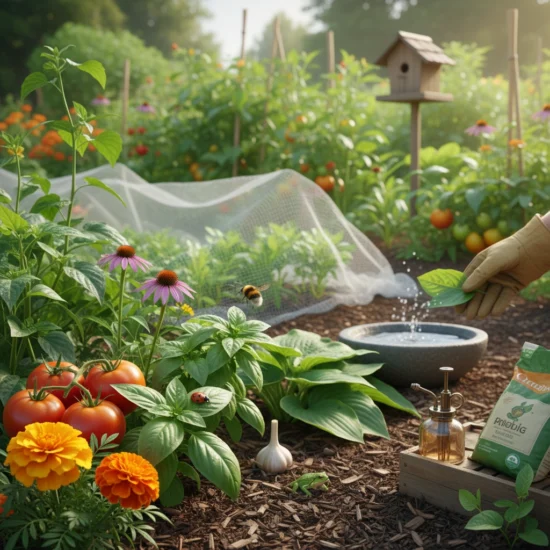
These barriers are practical, plant-friendly pest solutions because they prevent damage while allowing plants to continue growing naturally. Mechanical controls help stop pests before they reach your plants without any harm to the ecosystem.
- Row covers shield tender seedlings from flying insects.
- Mesh or netting keeps birds and larger pests out of fruiting crops.
- Diatomaceous earth creates a physical barrier that affects soft‑bodied insects when dry.
- Hand‑picking pests like caterpillars early in the morning can drastically reduce their numbers.
Physical pest control is a straightforward addition to your garden defense toolkit that keeps pests away without chemical use.
4. Encourage Beneficial Wildlife
Creating habitats for helpful insects and wildlife is an important part of eco garden protection. These natural allies help maintain balance by reducing harmful pest populations without disturbing the surrounding environment.
Some of the best helpers in your garden are predators of common pests. Ladybugs, lacewings, frogs, and birds feed on aphids, slugs, beetles, and other troublesome insects.
- Set up bird feeders or bird baths to attract local insect‑eating birds.
- Create small water features to invite amphibians.
- Plant flowers like yarrow, dill, and fennel to attract beneficial insects.
Building habitat for predators creates a living pest management system that’s self‑perpetuating and gentle.
5. Homemade Sprays and Repellents
These methods support safe insect management by targeting unwanted pests while limiting risks to pollinators, pets, and beneficial organisms.
Simple, plant‑based sprays can be made at home using common pantry items. These can be effective for small infestations, especially on vegetables.
- Neem oil spray disrupts pest feeding and reproduction.
- Garlic and chilli sprays act as repellents for a range of insects.
- Mild soap spray works against soft‑bodied pests like aphids and spider mites.
Always test homemade sprays on a small portion of the plant first, and apply them early in the morning or late evening to avoid leaf burn.
6. Monitor and Act Quickly
Routine vigilance is crucial in garden pest control. Early detection of pest issues allows you to intervene with gentle solutions before the problem escalates.
- Check leaves regularly for damage or eggs on the undersides.
- Look for changes in plant vigor that can hint at hidden pest pressure.
- Remove heavily infested leaves and plants before pests spread.
Early action keeps pest populations manageable without chemical intervention.
Garden Pest Control Plans: Choosing What Works
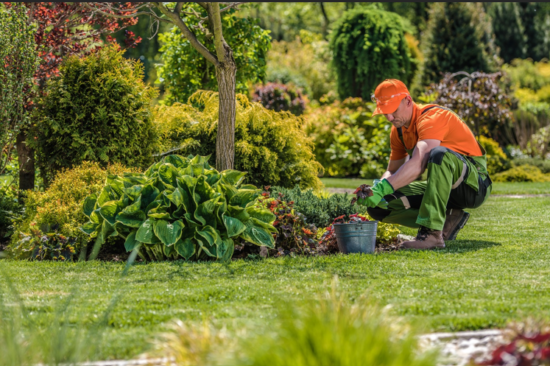
Understanding your needs helps when deciding on a pest control plans that blends prevention, monitoring, and natural response. Plans based on observation, planting strategy, and physical measures outperform reactive chemical use in the long run.
For broader home pest challenges beyond the garden, including established infestations or structural pests, professional services like Terminix pest control offer tailored solutions that focus on effective outcomes (for cases where garden‑safe methods aren’t viable).
Key Takeaways
- Chemical‑free pest control helps protect beneficial insects, soil health, and garden biodiversity.
- Improve soil health, use companion planting, and encourage predators to reduce pest issues naturally.
- Physical barriers and homemade sprays offer targeted management with minimal environmental impact.
- Regular monitoring prevents small problems from becoming large infestations.
- Thoughtful planning and ecological awareness deliver sustainable and long‑lasting protection.
Closing Words
Protecting your garden from pests doesn’t require harsh chemicals. A thoughtful mix of plant health, natural repellents, physical barriers, and beneficial wildlife creates a balanced ecosystem where your plants can flourish. Gardening is as much about working with nature as it is about planting seeds — the more you understand your garden’s community, the more resilient it becomes.
FAQs
What are common chemical‑free pest control methods?
Common methods include companion planting, row covers, hand‑picking pests, and attracting predators like birds and beneficial insects.
Can natural sprays harm my plants?
Practicing safe insect management means using the right solution for the specific pest problem and applying treatments carefully to avoid unnecessary impact on your garden. Homemade sprays using neem, garlic, or soap are generally safe when used carefully and in appropriate dilution. Always test on a small area first.
How often should I inspect my vegetable garden for pests?
Inspect your garden at least once a week, more often during warm weather when pests are most active.
Will companion plants repel all pests?
No single plant repels every pest. A combination of strategies, including companion planting, is more effective than relying on one approach.
Do physical barriers really help?
Yes. Row covers and netting can significantly reduce pest damage by preventing pests from reaching plants.
Looking for more hands-on strategies tailored to your specific garden challenges? Explore gardening courses, connect with local gardening clubs, or browse eco‑gardening blogs to deepen your knowledge and build confidence in protecting your garden naturally.