
What Homeowners Should Know Before Hiring Professional Cabinet Painters
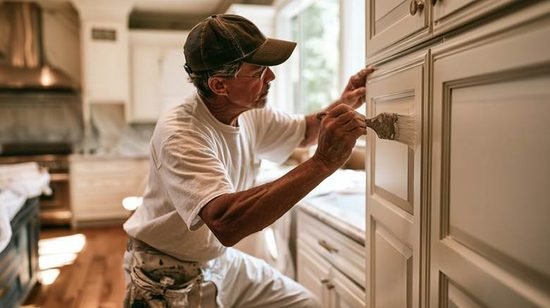
Updating kitchen or bathroom cabinets can dramatically improve the appearance of your home without the expense and disruption of a complete renovation. Fresh paint can brighten a room, complement new hardware, and give older cabinetry a cleaner, more modern look. However, achieving a smooth, durable finish requires careful preparation, appropriate materials, and attention to detail.
When researching Groovy Hues cabinet painters near me, homeowners can start by learning what professional cabinet painting involves and what to expect throughout the project. Understanding the process helps you evaluate service providers, prepare your home, and make informed decisions about colors, finishes, scheduling, and budget. With the right team, cabinet painting can be an effective way to refresh your space while preserving the cabinets you already have.
Understanding the Professional Cabinet Painting Process
Initial Consultation and Project Assessment
A cabinet painting project typically begins with an assessment of the existing cabinetry. A professional painter may inspect the cabinet doors, drawer fronts, frames, and surfaces to determine their condition and identify any repairs or preparation work needed.
During this stage, you can discuss your preferred colors, finish, project timeline, and expectations. The painter may also explain which surfaces can be painted and whether damaged or swollen cabinet components require additional attention before work begins.
Before moving forward, ask for a clear estimate that outlines the proposed services, materials, preparation requirements, and any potential additional costs.
Cleaning, Sanding, and Surface Preparation
Preparation is one of the most important parts of cabinet painting. Kitchen cabinets often accumulate grease, cooking residue, and fingerprints, which can prevent paint from adhering properly. Bathroom cabinets may also be exposed to moisture and cleaning products.
Professional preparation commonly includes:
- Removing cabinet doors, drawer fronts, and hardware as needed.
- Cleaning surfaces to remove grease, dust, and residue.
- Sanding or otherwise preparing the existing finish for adhesion.
- Repairing minor surface imperfections where appropriate.
- Applying a suitable primer before painting.
- Protecting nearby floors, countertops, appliances, and other surfaces.
Taking these steps helps create a consistent foundation for the new finish and reduces the likelihood of peeling, rough patches, or visible imperfections.
Choosing Colors and Finishes for Your Cabinets
Find a Style That Complements Your Home
Cabinet color can influence the overall atmosphere of a kitchen or bathroom. White and cream tones often create a bright, timeless appearance, while gray, navy, and forest green can introduce more contrast and personality. Neutral colors may also coordinate more easily with existing countertops, flooring, and backsplashes.
When selecting a color, consider the room’s natural light, the size of the space, and the surrounding finishes. Requesting physical paint samples or reviewing color options under different lighting conditions can help you feel more confident in your choice.
Select a Durable, Suitable Finish
Cabinets experience frequent contact with hands, food, moisture, and cleaning products. For this reason, the paint system should be appropriate for cabinetry rather than simply a general wall-paint product.
Ask your painter about the recommended primer, cabinet coating, sheen, and expected maintenance requirements. Satin and semi-gloss finishes are common options, but the best choice depends on your preferred appearance and the product being used.
What to Expect During Installation and Cleanup
Understand the Project Timeline
Cabinet painting can take several days or longer, depending on the number of cabinets, their condition, the preparation required, and the coating’s drying and curing times. Some painters remove doors and drawer fronts for separate preparation and painting, while the cabinet frames are handled on-site.
Before the project starts, confirm how the work area will be protected, where removed components will be handled, and when the kitchen or bathroom can be used again. Keep in mind that paint may feel dry before it has fully cured, so follow the contractor’s instructions for handling and cleaning the surfaces.
Review the Finished Work
Once the painting is complete, inspect the cabinets with your contractor. Look for consistent color, smooth coverage, clean edges, and properly reinstalled doors and hardware. Ask about touch-ups, warranty coverage if available, and recommended cleaning practices.
Make an Informed Choice for Your Cabinet Painting Project
Hiring professional cabinet painters can help you refresh your home’s appearance while avoiding the cost of replacing functional cabinetry. By understanding the preparation process, comparing estimates, selecting suitable finishes, and discussing expectations in advance, you can approach your project with greater confidence.
Take time to review the scope of work and ask questions before signing an agreement. A clear plan and careful workmanship can help you achieve attractive cabinets that complement your home and provide lasting value.