
How to Choose Kitchen Cabinets That Balance Style, Storage, and Budget
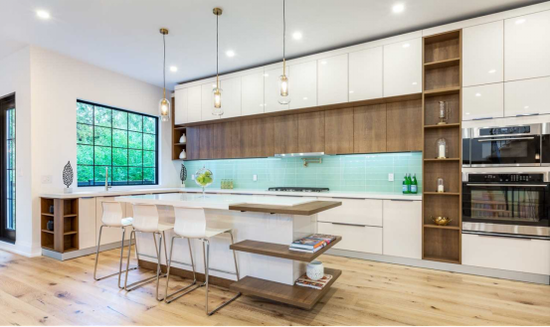
Kitchen cabinets do more than define the look of a kitchen. They influence how efficiently you cook, how much you can store, and how comfortable the space feels every day. Whether you are renovating an outdated kitchen or planning a new home, choosing the right cabinets is one of the most important decisions you will make.
With so many materials, finishes, layouts, and price points available, the process can feel overwhelming. The key is to look beyond appearance and consider how your cabinets will perform over time.
Here are six practical steps to help you choose kitchen cabinets that balance style, storage, and budget.
1. Start With Your Kitchen Layout and Storage Needs
Before browsing cabinet styles or colors, take time to understand your kitchen layout. The right cabinet design should complement the available space and make everyday tasks easier.
Start by measuring your kitchen carefully, including wall lengths, ceiling height, window positions, doorways, and the locations of plumbing and electrical connections. These details help determine the size and placement of your cabinets.
Next, consider how you use your kitchen. Do you cook frequently? Do you need space for large cookware, small appliances, or pantry supplies? Does your household need an organized area for recycling, cleaning products, or children’s items?
Your answers will help you prioritize storage features such as:
- Deep drawers for pots, pans, and cooking utensils.
- Pull-out shelves that make items at the back of cabinets easier to reach.
- Vertical dividers for baking trays, cutting boards, and serving platters.
- Corner storage solutions that make awkward spaces more useful.
- Tall pantry cabinets for dry goods and small appliances.
A well-planned layout can make a kitchen feel more spacious without increasing its footprint. In smaller kitchens, cabinets designed to fit the available dimensions can also reduce wasted space and create a more cohesive appearance.
2. Compare Kitchen Cabinet Materials and Finishes
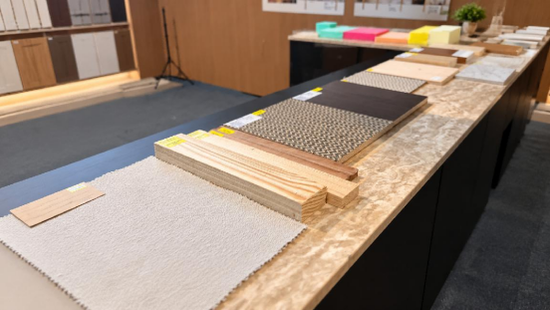
Cabinet materials affect appearance, maintenance, durability, and overall cost. Rather than choosing a material based on price alone, consider how it will perform in your household and whether it suits your design goals.
Here are several common options to consider.
Melamine: Melamine-faced panels are available in a wide range of colors, patterns, and wood-look finishes. They are often a practical choice for homeowners who want a consistent appearance and relatively straightforward maintenance. Quality depends on the substrate, edge sealing, and manufacturing.
Laminate: Laminate finishes offer versatility in color, texture, and pattern. They can be a good option for busy households looking for an attractive surface without the maintenance requirements of some specialty finishes. Ask about the specific laminate product and its resistance to scratches, heat, and moisture.
MDF with a painted or lacquered finish: Medium-density fiberboard (MDF) provides a smooth surface for painted cabinet doors and detailed designs. Lacquered finishes can create either a contemporary glossy appearance or a more understated matte look. However, the performance of the finished cabinet depends on the coating, construction, and protection of exposed edges.
PVC or thermofoil finishes: These finishes are used to create a consistent surface over a suitable cabinet substrate. They offer a variety of colors and styles, but heat exposure and the quality of the bonding process should be considered, particularly near ovens and other heat-producing appliances.
Wood veneer and solid wood: Wood veneer provides the visual character of natural wood while allowing different engineered substrates to be used. Solid wood offers distinctive grain and texture, although its cost, maintenance requirements, and response to changes in humidity vary by species and construction.
When comparing materials, ask suppliers about panel specifications, edge treatment, hardware, cleaning recommendations, and warranty coverage. A cabinet’s overall quality depends on more than the material visible on its surface.
3. Choose a Cabinet Style That Complements Your Home
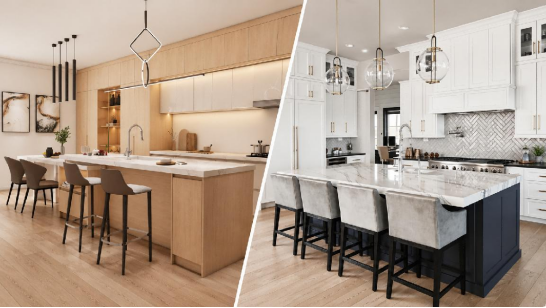
Cabinets occupy a large portion of the kitchen’s visual space, so their style has a significant effect on the overall design. Choosing a look that works with your home’s architecture can help create a kitchen that feels intentional rather than trend-driven.
Modern cabinets typically feature clean lines, simple door fronts, minimal ornamentation, and restrained hardware. Flat-panel doors and matte finishes work particularly well in contemporary spaces. Light neutrals can make a kitchen feel open, while darker finishes can create contrast and visual depth.
Transitional cabinets combine elements of traditional and contemporary design. Shaker-style doors, warm neutral colors, and understated hardware can provide a balance between classic character and modern simplicity. This approach works well for homeowners who want a timeless appearance without committing to an entirely traditional or minimalist style.
Color also matters. White and soft neutral cabinets can help brighten a room, while natural wood tones add warmth and texture. Green, navy, and other deeper colors can introduce personality, particularly when balanced with lighter walls or countertops.
Before making a final decision, collect samples of cabinet finishes, flooring, countertops, and backsplash materials. View them together under both natural and artificial lighting. A finish that looks appealing in a showroom may appear different in your own home.
4. Balance Your Budget With Long-Term Value
A successful kitchen renovation is not necessarily the one with the most expensive cabinets. It is the one that allocates money to the features that matter most to your household.
Begin by establishing a realistic budget for the entire project, not just the cabinet doors and boxes. Depending on the renovation, additional expenses may include installation, countertops, plumbing, electrical work, lighting, delivery, and adjustments to existing walls or flooring.
To compare quotes accurately, check what each supplier includes. Two estimates may look similar at first but differ considerably in cabinet construction, drawer systems, hinges, finishes, accessories, and installation services.
If your budget is limited, consider these strategies:
- Choose a durable, practical cabinet finish instead of paying extra for a specialty surface you may not need.
- Invest in quality hinges and drawer slides for frequently used cabinets.
- Use premium finishes selectively, such as on a kitchen island or a prominent display area.
- Prioritize functional storage over decorative accessories that add little everyday value.
- Confirm measurements and appliance specifications before production to reduce the risk of costly changes.
It is also worth considering maintenance and replacement costs over time. A low initial price may not represent the best value if the product does not suit your usage or requires frequent repairs.
Ask for a detailed quotation and compare the specifications line by line before committing to a supplier.
5. Consider Custom Kitchen Cabinets for a Better Fit
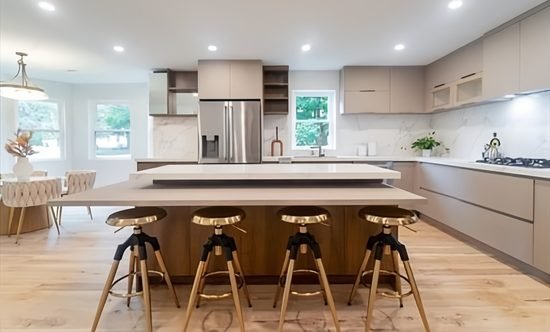
Standard cabinet sizes can work well in many kitchens, but they may not fully address unusual layouts, specific storage requirements, or distinctive design preferences.
Custom kitchen cabinets provide greater flexibility in dimensions, configurations, materials, and finishes. They can be especially useful for kitchens with uneven walls, limited floor space, high ceilings, or storage needs that standard units cannot easily accommodate.
For example, a narrow kitchen may benefit from carefully planned drawers and tall storage units. A larger open-plan kitchen might require cabinetry that coordinates with a dining area or living space. A family that cooks frequently may prefer dedicated storagea for cookware and small appliances rather than additional decorative shelving.
Customization does not automatically mean choosing the most expensive option. It means deciding which details deserve individual attention and which can follow a simpler, more economical specification.
When exploring custom solutions, consider working with a supplier that can help translate your measurements and preferences into a practical design.
PA Kitchen offers customizable kitchen cabinet solutions with different materials, finishes, and design styles. Reviewing available options and discussing your requirements with a design professional can help you determine which configuration best suits your space and budget.
Before approving a design, review the drawings carefully. Confirm cabinet dimensions, door openings, appliance clearances, filler panels, hardware, and the location of utilities. If available, a three-dimensional design can help you visualize the proposed layout before production begins.
6. Think About Maintenance and Everyday Usability
A beautiful kitchen should also be easy to live with. The right cabinet choice depends partly on how much time you want to spend cleaning and maintaining it.
Glossy finishes can reflect light and create a polished appearance, but fingerprints and smudges may be more noticeable on some surfaces. Matte finishes can offer a softer look, although their cleaning requirements vary by product. Wood finishes bring natural character but may need more specific care depending on the coating.
Consider the practical details as well. Soft-close hinges and drawer slides can reduce slamming. Well-designed handles or integrated pulls can improve accessibility. Easy-to-clean surfaces are particularly useful around cooking and food preparation areas.
Moisture deserves special attention. Kitchens experience spills, steam, and temperature changes, so good ventilation and prompt cleanup are important regardless of the cabinet material. Check the manufacturer’s guidance on cleaning products, heat exposure, and moisture protection.
Finally, review the warranty and after-sales support before purchasing. Understand what is covered, how long the coverage lasts, and whether installation or hardware issues are included. These details can make a meaningful difference if a problem arises later.
Conclusion: Make a Smarter Choice for Your Kitchen
Choosing kitchen cabinets is about finding the right balance between appearance, functionality, and cost. Start with your layout and storage needs, compare materials carefully, choose a style that complements your home, and evaluate the complete project budget before making a decision.
Pay attention to construction details, hardware, maintenance requirements, and supplier support rather than focusing exclusively on color or price. Working with a reliable cabinet manufacturer can help you explore options that suit your space, style, and budget. If standard cabinets cannot accommodate your space or preferences, a custom solution may offer the flexibility you need.
With thoughtful planning and clear priorities, you can create a kitchen that looks inviting, works efficiently, and continues to meet your needs for years to come.