How to Choose a Wall Mounted Fireplace for Small Spaces
Creating atmosphere and warmth in compact rooms often means exploring space-saving alternatives like wall mounted fireplaces. Making the right selection can dramatically improve comfort and elevate your decor without overwhelming limited square footage. This article breaks down key practical, aesthetic, and safety considerations for choosing a stylish and efficient solution for small rooms.
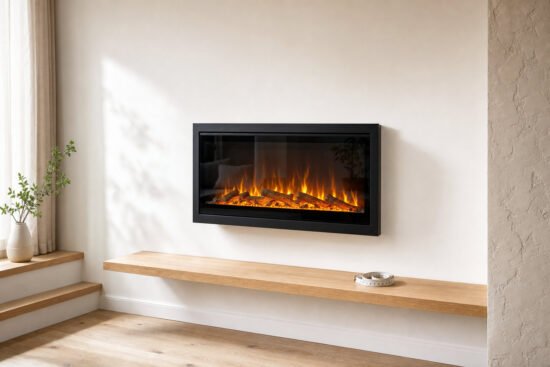
Wall mounted fireplaces offer a blend of effective heating and eye-catching design, making them a popular choice for compact living rooms and bedrooms. Thoughtful selection is crucial; balancing heat output, size, and aesthetics ensures your chosen unit enhances the room without causing clutter. An Electric Fireplace, positioned correctly on a feature wall, can provide both visual interest and cosiness while minimising loss of valuable floor space. By carefully planning installation and style choices, you can achieve a comfortable, functional, and visually spacious result, ideal for small-space interiors.
Understanding size, layout, and room constraints
When working within a small room, it is vital to start by measuring both the total available wall area and the clearance you have to safely install a wall mounted fireplace. Accurate measurements reduce the risk of crowding and help ensure the unit will fit, especially where wall space competes with doors, shelving, or windows.
Factoring in the placement of main furniture pieces helps to maximise comfortable flow through the room. Ensure that sightlines to the fire are not interrupted so it serves as a pleasant focal point rather than a cramped afterthought.
Take time to map out the swing of doors, the width of walkways, and the distance between seating and the front of the fireplace. While wall mounted designs free up floor area, you still need to avoid pinching pathways or crowding soft furnishings, which can make the room feel cluttered.
It is also practical to allow for future changes in furniture arrangement, since your seating or shelving needs may shift over time. If the location is thoughtfully chosen, you are less likely to regret the installation, especially in rooms with flexible or multipurpose layouts.
Evaluating placement for aesthetics and usability
Choosing the best wall for installation is about blending functionality with a sense of design. In small living rooms, bedrooms, or offices, feature walls that naturally attract attention, such as the wall opposite the main entrance or behind a sofa, often work well. This draws the eye and adds to the room’s style without taking over the entire space.
Height is an important aspect of comfort, particularly when the fireplace is meant to be a gathering point. Installing at average seated eye level promotes relaxation and encourages conversation, rather than forcing viewers to look up uncomfortably.
Common placement errors, such as mounting units too high or on visually cluttered walls, tend to make rooms appear smaller and less inviting. Mapping likely viewing angles before mounting can help maintain balance and proportion in tight spaces.
Sometimes, a centrally placed unit can serve an open-plan area, provided that clearances are upheld. Creative placements, like above low storage or beneath wall-mounted televisions, require careful calculation but can help reclaim usable space.
Getting heat levels and technical needs right
One of the most essential factors in choosing a wall mounted fireplace for a small room is selecting a model with appropriate heat output. Units that produce more heat than needed can make a compact space uncomfortable, while underpowered models may not provide adequate warmth during colder months.
Manufacturers often provide guidelines matching heat output to room size, which can help you choose a unit that supplements or supports your main heating. If the room is well insulated and receives some natural heat, supplemental warmth from a wall mounted unit may be sufficient.
Venting considerations vary, but many electric wall mounted fireplaces do not require flues, making them particularly suitable for small spaces and interior walls. If you are considering other types, check whether ventilation or air circulation adjustments are needed to manage moisture or heat build-up.
Electric models are generally easier to install in tight settings since they do not require complex venting or external pipes. Consider whether a surface-mounted or recessed option suits your wall construction and the available power supply.
Depth, finish, and integration for visual spaciousness
When floor area is at a premium, the depth of a wall mounted fireplace becomes more crucial than the width. Slim-profile units take up less space and sit closer to the wall, which helps circulation and creates an integrated effect.
For those seeking a seamless appearance, recessed fireplaces can sit within the wall, offering a flush finish that enhances the sense of openness. Surface-mounted models are easier to retrofit but should be matched to wall depth and colour to preserve the room’s proportions.
Coordination of finish, frame, and colour can influence perceptions of space. Minimalist frames, light-toned finishes, and glass surrounds can reflect ambient light, helping smaller rooms feel brighter.
Selecting wall textures around your fireplace, such as smooth plaster, vertical wood slats, or stone-effect panels, affects how it sits within the overall interior scheme. These choices can visually anchor the unit without dominating the room when harmonised with nearby features.
Ensuring practical power and stylish cable concealment
Powering a wall mounted fireplace discreetly is another important piece of the puzzle. Placing the unit near an existing electrical outlet can minimise visible cords, which helps the installation look uncluttered.
Cable management options range from paintable channels to in-wall wiring, depending on your technical experience and building rules. In some cases, consulting a qualified electrician may be appropriate for safety and a seamless result.
Safe and subtle cable concealment not only improves the visual impact of your fireplace, but also supports daily usability. For family homes, rentals, or high-traffic spaces, secure fixing and cord organisation can help keep the area hazard-free.
Careful routing of cables means the fireplace can remain the centrepiece rather than a distraction. Attention to these practical details plays an important role in achieving a polished look.
Visual harmony, comfort, and ongoing safety measures
Good style choices can amplify the spatial benefits of a wall mounted fireplace in a compact room. When the fireplace complements the room’s palette and materials, it can feel deliberate and balanced rather than oversized.
Safety considerations remain essential, especially around clearances, mounting, and heat exposure. Follow the manufacturer’s installation instructions and ensure nearby materials are suitable for the unit’s operating temperature.
Regular checks can help maintain safe operation over time. Keep vents unobstructed on models that use fans, and confirm mounting points remain secure.
With the right size, placement, and installation approach, a wall mounted fireplace can add warmth and character without sacrificing function. Keeping both design and safety in mind helps small spaces remain comfortable and visually open.