
How to Choose an HVAC Contractor in Los Angeles
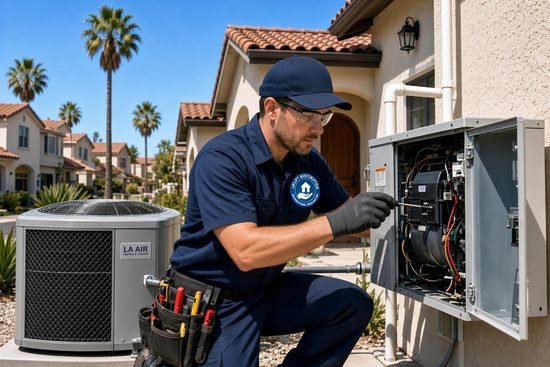
Choosing the right heating and cooling professional can make a significant difference to your home’s comfort, system performance, and safety. Whether you need air conditioning repair, furnace repair, a new installation, or routine maintenance, selecting a qualified HVAC contractor Los Angeles requires more than comparing prices. Licensing, relevant experience, insurance, transparent estimates, and suitable service offerings all deserve careful consideration. With many contractors serving residential and commercial properties, homeowners need a reliable way to evaluate their options. Understanding what to check before signing an agreement can help you avoid costly mistakes and choose a professional who understands your property’s specific heating and cooling requirements.
1. Check the Contractor’s California HVAC License
Before hiring an HVAC professional, verify that the contractor holds the appropriate California license for the work being performed. Licensing is an important starting point because it helps you confirm the contractor’s recorded status and classification.
The California Contractors State License Board (CSLB) provides an online license verification service. Use it to check the contractor’s business name, license status, and relevant classification before signing an agreement.
California’s C-20 classification covers warm-air heating, ventilation, and air-conditioning contracting. Confirm that the contractor’s license is appropriate for your planned project rather than relying solely on advertisements or verbal assurances.
You should also ask about applicable insurance, including workers’ compensation and general liability coverage. Requirements can vary according to the contractor’s circumstances and the work involved, so request documentation relevant to your project.
License verification is an essential screening step, but it does not guarantee the quality of every repair or installation. Consider it alongside experience, references, written estimates, and clear communication.
2. Look for Relevant HVAC Experience
Not every HVAC project requires the same skills. A contractor experienced in routine residential air conditioning repairs may not have the same background as one who regularly installs complex commercial systems.
Ask about experience with the equipment and service you need, including central air conditioning, furnaces, heat pumps, ductless mini-split systems, and ductwork. If your property has an older heating system or an unusual duct configuration, explain these details before requesting an estimate.
For commercial properties, ask whether the contractor has handled similar building requirements and larger HVAC equipment. Relevant experience can help the professional identify potential complications and plan the work more effectively.
Instead of relying on general claims about expertise, ask specific questions about comparable projects. The contractor should be able to explain how they approach diagnosis, installation planning, and the challenges associated with your particular system.
3. Confirm That the Contractor Offers the Services You Need
Before comparing contractors, identify the service your property requires. A provider’s general HVAC experience does not automatically mean every service is available.
HVAC Repair
HVAC repair involves diagnosing and addressing problems such as weak airflow, thermostat malfunctions, unusual noises, and inconsistent heating or cooling. Ask how the contractor investigates faults and explains recommended repairs before work begins.
HVAC Installation and Replacement
Installation and replacement require appropriate equipment selection, system sizing, professional installation, and commissioning. Ask how the contractor will assess your property’s heating and cooling needs before recommending equipment.
Preventive HVAC Maintenance
Maintenance may include filter checks, coil inspections, airflow testing, and equipment-specific service. Ask which tasks are included and whether the recommendations match your system manufacturer’s guidance.
Commercial HVAC Services
Commercial buildings may require experience with rooftop HVAC units, larger systems, and building-specific operating requirements. Confirm that the contractor has relevant experience before arranging work for an office, retail space, or other commercial property.
Choosing a provider whose services match your needs can help you avoid delays and unnecessary referrals.
4. Compare Written Estimates and Understand the Costs
Price matters, but an estimate is only useful when you understand exactly what it covers. For substantial HVAC projects, the CSLB recommends obtaining at least three written bids and comparing them against the same plans and specifications.
Each estimate should clearly identify the proposed work, equipment specifications, labor, materials, and any permits that may be required. Ask contractors to explain possible additional charges if concealed problems or unexpected installation requirements arise.
For a system replacement, compare equipment capacity, efficiency ratings, warranty coverage, and installation requirements. A lower initial price may not represent the best value if it excludes necessary work or specifies equipment that does not suit your property.
Do not approve an estimate simply because it is the cheapest. Review the scope of work, ask questions about unclear charges, and ensure you understand the proposed solution before authorizing the project.
5. Check Insurance, Warranties, and Written Contracts
A professional agreement should explain responsibilities, costs, and the conditions under which the work will be completed. Before hiring an HVAC contractor, request information about applicable insurance coverage and clarify how potential property damage will be handled.
Understand the difference between a manufacturer’s equipment warranty and a contractor’s workmanship warranty. A manufacturer may cover specified equipment defects, while a workmanship warranty addresses certain installation or labor-related issues according to its terms.
Your written contract should identify the scope of work, equipment, payment schedule, project timeline, and warranty conditions. It should also clarify who is responsible for obtaining permits and arranging inspections when required.
Read the agreement before signing and ask for clarification about any unclear provisions. Keep copies of the signed contract, invoices, permits where applicable, and warranty documents. These records can help resolve questions about the completed work later.
6. Read Customer Feedback and Ask for References
Customer reviews can provide useful insight into a contractor’s communication, punctuality, and follow-through. Look for detailed feedback that relates to the type of service you need rather than relying only on an overall star rating.
For a major installation or replacement, consider asking for references from customers who completed similar projects. Their experiences may help you understand how the contractor manages scheduling, explains recommendations, and responds to concerns.
However, online reviews should not replace independent checks. Positive ratings do not prove technical competence, and a small number of negative reviews may not tell the whole story.
Evaluate customer feedback alongside license verification, insurance documentation, relevant experience, and written estimates. A contractor who communicates clearly and provides specific answers is generally easier to assess than one who relies on vague promises.
7. Evaluate Energy Efficiency and System Recommendations
The right HVAC system depends on more than the size of your home. Insulation, window exposure, ductwork, existing equipment, and other property characteristics can influence heating and cooling requirements.
Ask whether the contractor will assess these factors before recommending a new system. Recognized industry methods can help guide this process. Manual J is used to calculate heating and cooling loads, Manual S supports equipment selection, and Manual D addresses duct design.
You may also encounter efficiency ratings such as SEER2 for cooling equipment and AFUE for applicable furnaces. These ratings help compare equipment performance, but they do not tell the entire story.
The highest-rated equipment is not automatically the best choice if it is incorrectly sized or installed. Request an explanation of the proposed system, its expected performance, and why it suits your property’s needs.
8. Ask About Emergency Service and Response Times
An HVAC breakdown can be particularly disruptive during periods of extreme heat or cooler weather. If quick assistance matters to your household or business, ask whether the contractor offers emergency or after-hours appointments.
Confirm the expected arrival window, diagnostic fee, and any additional charges for service outside regular business hours. Response times may vary depending on the season, workload, and your location within Los Angeles.
Do not assume that every advertised emergency service guarantees immediate arrival. Ask what the provider can realistically offer before booking.
Safety must come first. If you suspect a gas leak or carbon monoxide exposure, leave the affected area and contact the appropriate emergency services from a safe location rather than waiting for a routine HVAC appointment.
9. Consider Local Knowledge of Los Angeles Properties
Los Angeles includes a wide range of residential and commercial buildings, so HVAC requirements can differ considerably from one property to another.
Older homes may have aging duct systems or limited space for modern equipment. Some coastal areas experience environmental conditions that can affect outdoor equipment, while inland neighborhoods may face higher cooling demands during hot weather.
These factors do not affect every property in the same way. A suitable contractor should assess your building’s specific conditions rather than recommending the same solution to every customer.
Ask how the professional will evaluate equipment space, ductwork, cooling requirements, and other relevant factors. A property-specific assessment can help ensure that equipment selection and installation planning reflect your actual needs.
10. Warning Signs of an HVAC Contractor to Avoid
Certain behaviors should prompt you to pause before approving HVAC work.
Be cautious if a contractor pressures you to authorize an expensive repair or complete system replacement immediately without providing a clear diagnosis. Major recommendations should be supported by an explanation of the problem and the proposed solution.
Vague estimates that omit equipment details, labor, or the scope of work also deserve scrutiny. You should be able to understand what you are paying for before agreeing to the project.
Avoid contractors who refuse to provide license information or applicable insurance documentation. Verify licensing independently rather than relying on verbal assurances.
Finally, seek another assessment if a contractor recommends replacing an entire system without adequately examining its condition. A second written opinion can help you compare options and make a more informed decision.
Frequently Asked Questions About Choosing an HVAC Contractor
How Do I Verify an HVAC Contractor’s License in Los Angeles?
Use the California Contractors State License Board’s official online license lookup to check the contractor’s recorded details, license status, and classification. Verify the information before signing an agreement.
What License Does an HVAC Contractor Need in California?
The C-20 classification covers warm-air heating, ventilation, and air-conditioning contracting. The appropriate licensing requirements depend on the work being performed, so confirm the contractor’s classification for your specific project.
How Many HVAC Quotes Should I Get?
For substantial HVAC projects, three written estimates provide a useful comparison. Make sure each contractor quotes a comparable scope of work, equipment specifications, and installation requirements.
Should I Choose the Cheapest HVAC Contractor?
Not necessarily. Compare qualifications, technical recommendations, equipment specifications, insurance, warranty terms, and the full scope of work alongside the price.
What Should an HVAC Installation Quote Include?
A clear quote should identify the equipment, scope of work, labor, materials, project timeline, applicable permits, and warranty information. Ask about additional charges before approving the project.
When Should I Replace Rather Than Repair My HVAC System?
Consider the equipment’s age and condition, repair frequency, operating performance, parts availability, and the cost of the proposed work. A professional assessment can help you compare repair and replacement options.
Conclusion:
Choosing the right HVAC contractor requires checking licensing, experience, insurance, and written estimates. Whether you need repairs or are exploring HVAC Installation Los Angeles: What Homeowners Should Know, making informed decisions can help improve home comfort and system performance. Uplift Restoration can be your next point of contact for discussing your HVAC needs and exploring suitable service options. Contact Uplift Restoration to request an assessment and take the next step toward a comfortable, well-functioning home.