Practical Decor Tips for a Clean and Calm Space (That Actually Work in Real Homes)
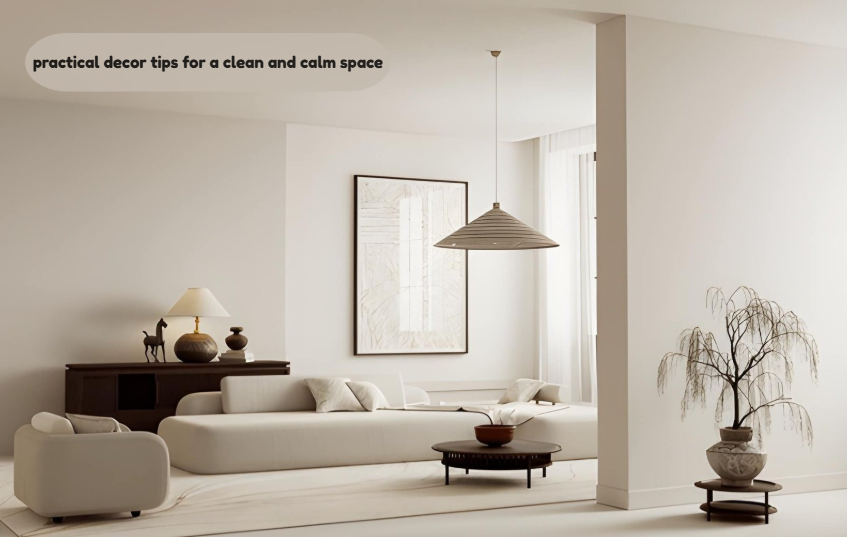
Most people don’t need a renovation. They need about three good decisions. I’ve seen this over and over—a room that felt chaotic transformed by moving furniture six inches off the wall and clearing one surface. These practical decor tips for a clean and calm space are built on what actually works, not what looks good in a staged photo.
What “Clean and Calm” Actually Means in a Real Home
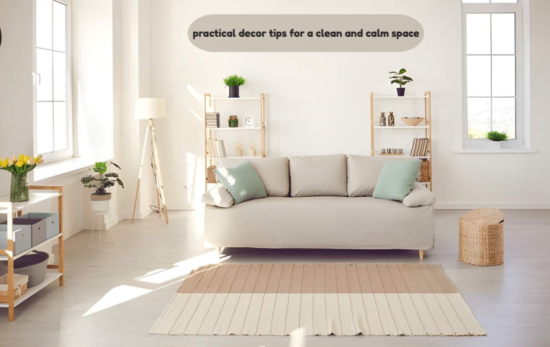
It’s not about having less. It’s about having the right amount, placed where it makes visual and functional sense. Practical decor tips for a clean and calm space aren’t about chasing a Pinterest aesthetic — they’re about reducing the low-level stress your brain absorbs every time it scans a disorganized room.
A calm space is one where your eye knows where to rest. When it doesn’t, the room feels busy even if it’s technically tidy. That’s the real problem most Americans are trying to solve without knowing it.
I grew up in a small apartment in Chicago. My mother kept it immaculate, but it always felt crowded—not because of square footage, but because every surface had something on it and every wall had something hanging on it. It took me years of working with interior spaces to understand that the room wasn’t too small.
Your Eye Is the Starting Point
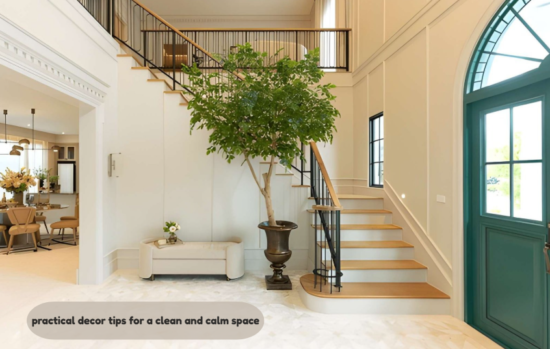
Walk into your main living area and pay attention to where your gaze goes first. That’s your room’s anchor point. If it’s landing on a pile of mail or an awkward blank wall, that’s what’s making the space feel unsettled.
In my experience, creating one deliberate focal point—a framed piece, a large plant, a clear windowsill—solves more “this room feels off” complaints than any piece of furniture ever could. Everything else in the room should support that point, not compete with it.
This costs nothing. It’s a rearrangement, not a purchase. Decoratoradvice com is a helpful place to find practical decorating ideas that work in everyday homes.
The Surface Rule Nobody Talks About
Treat every surface like real estate. An item earns its place either because you use it daily or because it genuinely looks good. If it’s neither, it belongs in a drawer.
The quantity is more important than the quality. Three beautiful objects on a surface look styled. Twelve objects — even beautiful ones — look cluttered. I’ve tested this in my own living room, and the difference is immediate and slightly embarrassing.
The Lighting and Mirror Strategy Most People Skip
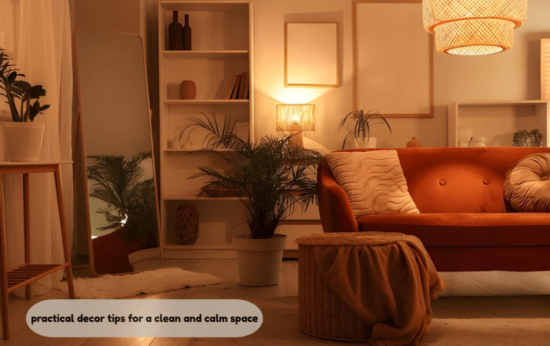
This is where I see the biggest gap between what people spend money on and what would actually help them. Most Americans rely entirely on overhead lighting. It’s flat, it’s harsh, and it makes rooms feel like conference rooms after 6pm.
According to a 2024 report from the American Lighting Association, homeowners using three or more light sources per room reported significantly higher satisfaction with their living spaces compared to those using a single overhead fixture. That’s not a subtle difference. A $35 floor lamp changes the entire feel of an evening.
Mirrors work the same way, but placement is everything. A mirror across from a window doubles the natural light in a room and adds depth. Your brain reads as calm. A mirror reflecting a cluttered counter just doubles the clutter.
Pro Tip — The upgrading tips decoradhouse Most Competitors Miss: Most articles tell you to place a mirror on a feature wall. But the real move is to place a mirror adjacent to — not directly across from — your primary light source. This diffuses light sideways across the room rather than bouncing it straight back, which creates a softer, more even glow.
Quick-Reference: Lighting Upgrade Cost Breakdown
| Upgrade | Avg. Cost (USD) | Impact Level | Time to Install |
| Floor lamp (warm bulb) | $25–$60 | High | 2 minutes |
| Table lamp (bedside) | $20–$50 | High | 2 minutes |
| Under-cabinet LED strip | $15–$35 | Medium | 15 minutes |
| Dimmer switch (replaces existing) | $18–$40 | High | 20 minutes |
| Plug-in sconce | $30–$70 | Medium | 5 minutes |
| Smart bulb (existing fixture) | $12–$20 each | Medium | 1 minute |
Furniture Placement: The Wall Rule Is Wrong
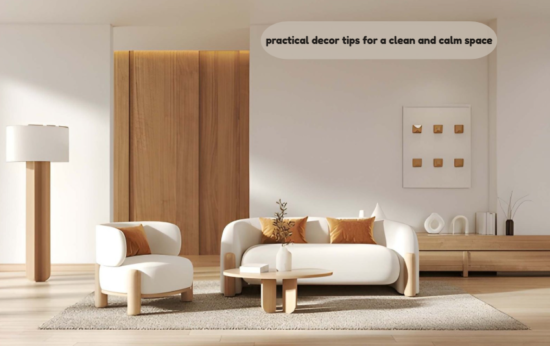
In my experience, pulling a sofa and chairs into a conversation cluster — even six inches off the wall — and anchoring the group with a rug transforms the room’s proportions. The center of the room stops feeling like an awkward void. The furniture appears to fit together.
A 2025 Houzz interior design study found that 71% of homeowners who felt satisfied with a recent room update credited better spatial arrangement over new furniture purchases. The rearrangement was the upgrade. A home upgrade decoradtech resource or decoradhouse tool can help you think through room-specific arrangements if you want to go deeper. But honestly, the first change is always the one you already know needs to happen. You’ve been looking at it for months.
Comparison: Furniture Against Walls vs. Grouped Arrangement
| Factor | Pushed to Walls | Grouped + Rug |
| Room feel | Institutional, corridor-like | Defined, intentional |
| Conversation flow | Awkward—people face away | Natural—people face each other |
| Visual openness | Hollow center | Balanced proportions |
| Cost to change | $0 | $0 (or cost of one rug) |
| Time required | 30–60 minutes | 30–60 minutes |
The bedroom version of this: a bed shoved into a corner to “save space” usually creates the opposite effect. Sleep Foundation research from 2024 notes that visual balance in a bedroom — centered placement, clear pathways, symmetrical light — directly contributes to how easily the brain quiets before sleep. This applies to what hangs above the headboard as well. Incorporating simple wall decor ideas that look clean and modern in the bedroom keeps the visual noise low, ensuring your eyes aren’t tracking busy patterns right before you close them. It’s not just aesthetic. It affects how you actually feel.
Plants, Texture, and the Details That Don’t Photograph Well
This is where I get slightly opinionated: one large plant does more for a room than five small ones. It fills vertical space, it reads as intentional, and it’s usually easier to keep alive. A snake plant, pothos, or ZZ plant survives real life—low light, occasional neglect, and central heating.
Texture is the other quiet detail. A linen throw, a woven rug, a ceramic bowl—these add warmth and contrast that your eye picks up even when you’re not consciously looking. It’s the distinction between a room that seems lived in and one that appears designed.
You are unable to ‘fully see texture in a photo, which is probably why it’s the most underinvested element in most American homes.
What to Actually Do This Week.
If I had to pick the highest-impact starting point, clear your main surface down to three objects, pull your sofa two feet off the wall, and add one warm lamp by evening. Those three moves cost nothing except about an hour of your time and will change how you feel walking into that room. These practical decor tips for a clean and calm space can help you create a home that feels organized, comfortable, and easy to maintain.