
Decorator Advice .com: Smart Home Decorating Ideas for Every Room
Decorator advice .com is a decorating resource that pairs room-by-room style ideas with practical smart upgrades, renovation planning, and budget guidance for American households, including renters. The smartest way to use it is to plan one room at a time; fix lighting and layout first, then add connected devices.
Key Takeaways
- Decorate one room at a time in a fixed order: measure, choose an anchor piece, layer the lighting, pick one smart platform, then add finishes.
- A certified smart thermostat saves roughly $50 a year on heating and cooling, so a $130 model pays for itself in roughly 2.6 years.
- Swapping ten heavily used 60-watt incandescent bulbs for 9-watt LEDs saves roughly $95 a year at 17 cents per kilowatt-hour.
- On national averages, a garage door replacement recovers more than its cost at resale, while an upscale bath remodel recovers less than half.
- Renters get the best results from plug-in and battery-powered smart devices that need no wiring or drilling.
What Is Decorator Advice .com?
Decorator advice .com is an online decorating resource that turns design ideas into step-by-step room plans, product choices, and remodeling guidance sized for real budgets.
Type decoratoradvice.com straight into your browser to reach it. An entry like https//decoratoradvice.com is missing the colon and usually lands on a search results page instead of the site.
Before acting on any advice, read the site’s about us page to see who writes the content and how topics are chosen.
How Do You Plan Smart Decorating Ideas Room by Room?

Start with the room you use most, settle its layout and lighting, and only then buy decor and connected devices. Working in that order stops you from buying pieces that fight the space or the wiring.
Use this five-step room plan for any space:
- Measure and sketch. Record wall lengths, windows, doors, outlets, and switches. Outlet locations decide where lamps, speakers, and hubs can go.
- Choose one anchor. The sofa, bed, dining table, or desk sets the scale for the rug, art, and lighting around it.
- Layer the light. Plan overhead, task, and accent light, and give each layer its own switch, dimmer, or smart plug.
- Commit to one smart platform. Confirm every device works with the same app or supports the Matter standard before you buy.
- Add finishes last. Rugs, pillows, art, and plants come after the layout is final, so nothing gets returned.
What does each room need first?
Each room has one upgrade that delivers the most comfort for the money. Start there, then decorate around it.
- Kitchen: under-cabinet LED task lights and a smart plug for the coffee maker.
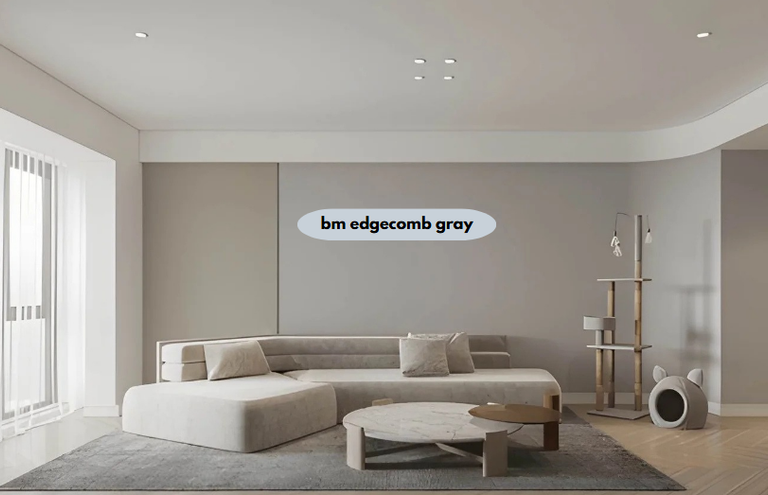
- Living room: two or three dimmable lamps grouped into an evening scene.
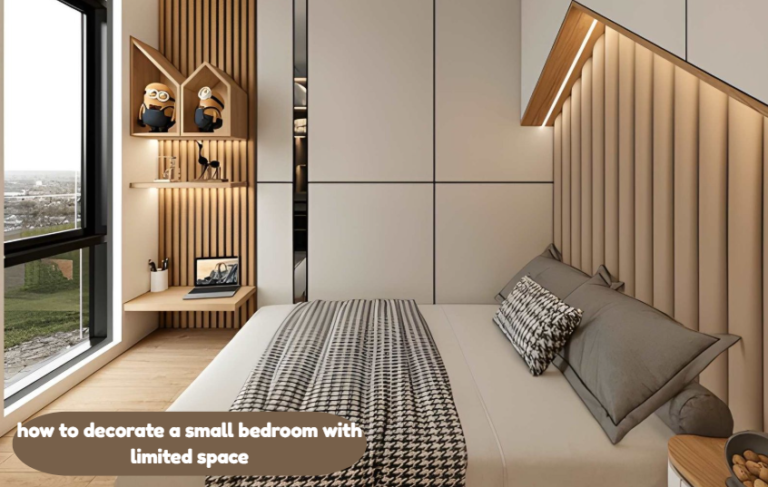
- Bedroom: warm bulbs and a gradual wake-up light routine.
- Bathroom: a humidity-sensing exhaust fan that runs only when needed.
- Home office: a cooler desk lamp and a motion sensor that shuts lights off when you leave.
- Entry: a smart lock or video doorbell plus a sensor-triggered porch light.
Harvard’s Joint Center for Housing Studies projected in April 2026 that U.S. owners would put $518 billion into improvements and repairs over the year. With demand that steady, good contractors book out early, so collect at least three written bids and lock in spring projects by midwinter.
What Are the Best Decoration Tips for Lighting Living Rooms and Bedrooms?
Use three layers of light on dimmers or smart bulbs, and keep color temperatures warm in rooms meant for rest. Light changes how paint, wood, and fabric look more than any accessory does.
Among all decoration tips, lighting gives the biggest visual change per dollar. Pick 2700K bulbs for living rooms and bedrooms, 3000K to 3500K for kitchens and baths, and around 4000K for desks.
Place table lamps so the bulb sits near eye level when you are seated, which removes glare. The latest tunable smart bulbs let one lamp shift from cool task light in the afternoon to warm light at night.
How much does switching to LED bulbs save?
Replacing your most-used bulbs with LEDs is the cheapest energy upgrade in any room. The U.S. Department of Energy reports that residential LEDs draw at least 75% less power than incandescent bulbs and can run up to 25 times as long.
Here is the math for a typical house. Swap ten 60-watt incandescent bulbs for 9-watt LEDs and run them three hours a day, and you cut about 558 kWh a year. At 17 cents per kWh, that is roughly $95 back each year, before counting the replacement bulbs you no longer buy.
Which Smart Home Upgrades Pay for Themselves Fastest?

Smart thermostats, LED smart bulbs on busy fixtures, and smart plugs on idle electronics pay back fastest. Voice speakers and color-changing light strips add convenience and mood, not savings.
Not every smart home device earns its price, so rank purchases by payback time before style. According to the EPA’s ENERGY STAR program, certified smart thermostats trim roughly 8% off a household’s heating and cooling bills, close to $50 a year. Pay $130 for one and it covers its cost in about 2.6 years; a utility rebate cuts that time further.
Your actual savings depend on three things: your climate, how many hours the house sits empty, and whether you set real away temperatures. A family that stays in all day will save less than a couple who both commute.
Smart plugs work best on TVs, game consoles, and printers that draw standby power. Plug a device into an energy-monitoring smart plug for a week to see whether cutting its standby power is worth automating.
Voice assistants and smart displays around the home often garble web addresses you dictate, producing strings like https// :decoratoradvice.com that open nothing. Say the site’s name instead, or pull up the page on your phone and cast it to the display.
Which Renovation Projects Return the Most Value?
Smaller exterior projects and midrange kitchen refreshes recover more of their cost at resale than large luxury remodels. Big kitchens and upscale baths are worth doing for daily living, not as investments.
The most useful renovation tips start with resale data, not finish samples. Readers who browse decoratoradvice for remodeling ideas should weigh each project against the numbers below.
| Project | 2025 national cost recouped at resale | Resale value per $10,000 spent | Source |
| Garage door replacement | 268% | $26,800 | JLC Cost vs Value Report 2025 |
| Steel entry door replacement | 216% | $21,600 | JLC Cost vs Value Report 2025 |
| Minor kitchen remodel, midrange | 113% | $11,300 | JLC Cost vs Value Report 2025 |
| Bath remodel, midrange | 80% | $8,000 | JLC Cost vs Value Report 2025 |
| Major kitchen remodel, midrange | 51% | $5,100 | JLC Cost vs Value Report 2025 |
| Bath remodel, upscale | 42% | $4,200 | JLC Cost vs Value Report 2025 |
Use the last column as a planning tool. If you plan to sell within five years, aim your first $10,000 at curb appeal and a minor kitchen update rather than luxury bath finishes. These are national averages, so local results shift with your housing market and the condition of the house.
What Is the Most Common Smart Decorating Mistake?
The most common mistake is putting smart bulbs in a fixture controlled by an ordinary wall switch. When anyone flips that switch off, the bulbs lose power, drop offline, and every schedule stops working.
It happens because shoppers treat smart bulbs like regular bulbs, and guests and kids use wall switches out of habit. The fix depends on the fixture:
- Ceiling fixtures with several bulbs: install one smart switch instead of buying four smart bulbs. You manage one device, and the switch works for everyone.
- Lamps: keep smart bulbs here, where color and dimming matter most.
- Rentals: mount a battery-powered smart remote over the existing switch plate so the switch stays on.
A second mistake is mixing apps. Three ecosystems mean three logins and routines that cannot talk to each other, so choose one platform before your first purchase.
Small details matter online too. A spaced-out address such as https// decoratoradvice.com breaks the link, so bookmark the correct domain once and reuse it.
When Does This Advice Not Apply?
The payback math breaks down in some situations. If heat and electricity are included in your rent, a smart thermostat saves you nothing, and hardwired switches need written landlord approval. Many variable-speed heat pumps and high-end furnaces require the manufacturer’s own communicating thermostat, and a third-party model can disable their efficient modes. Historic houses and HOA communities often restrict exterior changes, so check local rules before replacing a front door or garage door for resale value.
Frequently Asked Questions
What does the site cover?
The site offers decorating guides for each room, tips on staying within budget, ideas for smart-home gadgets, and seasonal style trends. Articles focus on practical steps for specific rooms rather than showroom photos, which suits first-time decorators and renters alike.
Which room should you decorate first?
Start with the room where you spend the most waking hours, usually the living room or kitchen. Improvements there pay off every day, and the colors and finishes you choose set a palette for the rest of the house.
Do smart thermostats actually lower energy bills?
Yes, certified models cut heating and cooling costs by roughly 8% on average. Households that leave the house empty for long stretches and adjust the temperature while they’re out save more than people who stay home all day.
Are smart switches better than smart bulbs?
Smart switches work better for ceiling fixtures and shared rooms, while smart bulbs suit lamps and color effects. A switch controls every bulb in a fixture as one device and never goes offline when someone uses the wall switch.
How can renters make a space smarter without losing the deposit?
Use plug-in and battery-powered devices that need no holes or wiring changes. Smart plugs, smart lamps, battery motion sensors, and removable adhesive hooks all leave walls exactly as you found them.
Which renovation adds the most resale value?
On national averages, a garage door replacement recovers the most, followed by a steel entry door. A midrange minor kitchen remodel also returns more than it costs, while major and upscale remodels recover far less.
Conclusion
Decorator advice .com works best when you treat it as a plan, not a shopping list: layout and lighting first, one smart platform second, finishes last. Put money where it pays you back, in efficient lighting, a certified thermostat, and modest curb-appeal projects, and every room will look better and cost less to run.