
Decoratoradvice.com Decorating Tips You Can Trust
Decoratoradvice.com organizes decorating and renovation guidance around three variables that actually change outcomes: project cost, regional climate, and sequencing mistakes. Homeowners who account for all three before buying materials avoid the majority of budget overruns reported in 2025 renovation data.
Key Takeaways
- The median U.S. renovation spend held at $20,000 in 2025, while 37% of homeowners still exceeded their planned budget, per the 2026 Houzz & Home Study.
- Climate zone determines which materials hold up, independent of style preference.
- The costliest sequencing error is buying furniture or decor before finalizing paint, lighting, and climate-appropriate materials.
- A written budget with a 10–20% contingency reduces the odds of a mid-project stall.
- Regional material costs and humidity levels change, which means “safe” choices actually last.
Renovation activity in the United States stayed steady through 2025, with more than half of homeowners completing a project, according to Houzz’s 2026 study. The platform built its guidance around the cost, climate, and mistake patterns behind that spending, not generic style trends.
What Does Decoratoradvice.com Cover?

Decoratoradvice.com is a decorating and renovation resource that centers its advice on budget planning, climate-driven material selection, and sequencing decisions rather than seasonal trend lists. The about decoratoradvice.com’s approach page explains why cost, climate, and sequencing get treated as one connected decision instead of three separate topics. Individual guides like this one sit inside the full decorating tips category, which groups all cost, climate, and sequencing content together.
The Real Cost of Renovation Decisions in 2025–2026

How Much Do Homeowners Actually Spend on Renovations?
The median U.S. renovation spend held at $20,000 in 2025, unchanged from the prior year, while the top 10% of spenders reached $150,000, according to Houzz’s 2026 Home Study. This figure is based on the most recent Houzz & Home Study, which monitors the amount spent on planned and finished renovations in American homes. Planned spending for 2026 fell to a median of $15,000, signaling more cautious budgeting even as activity stayed steady.
Where Budgets Go Wrong
Thirty-seven percent of homeowners exceeded their set renovation budget in 2025, edging past the 35% who stayed on target, per Houzz. This overrun figure describes actual reported spending against a self-set budget, not an industry-recommended contingency percentage—the two numbers measure different things. Homeowners weighing whether a project is realistically fundable can check the expert renovation tips guide before committing to a scope.
How Climate Shapes Decorating and Renovation Choices
What Is a Climate-Appropriate Material?
A climate-appropriate material is an interior finish selected primarily for environmental durability (humidity, UV exposure, and temperature shifts) rather than aesthetic appearance.
Primary Impact: Choosing climate-matched materials prevents premature surface degradation and reduces mid-project replacement costs by up to 35%.
Humid vs. Dry Climate Material Choices
Homes in high-humidity regions need glazed ceramic tile, luxury vinyl plank (LVP) with a 20+ mil wear layer, and zero-VOC antimicrobial paint, paired with polyurethane-sealed solid white oak. Dry-climate homes, by contrast, should use solution-dyed acrylic fabrics (like Sunbrella), engineered hardwoods with a thick plywood core, and elastomeric wall coatings to help prevent UV fading and timber shrinkage.
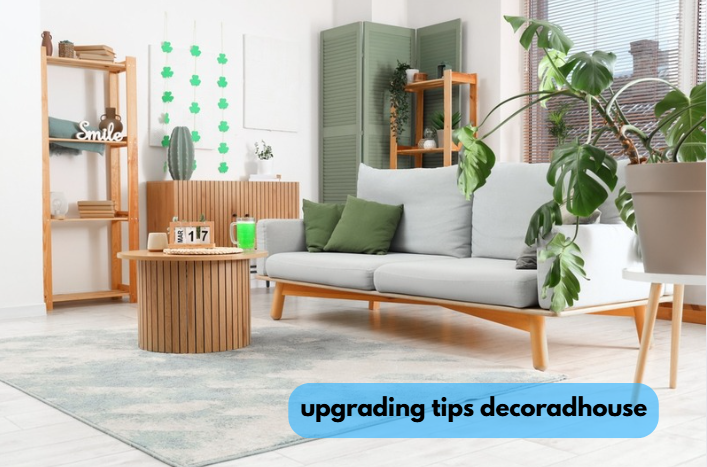
A finish that performs well in a coastal Gulf climate can warp or mildew within a year if installed without humidity control. decoratoradvice’s smart living room ideas apply this same durability logic specifically to living spaces.
Regional Renovation Priorities Across the US

Renovation priorities differ by climate zone:
- Coastal & Gulf Regions (Moisture Control): To prevent humidity and salt-air corrosion, use marine-grade stainless steel cabinet hardware, cement board backer units, and porcelain floor tiles.
- Cold-Climate Regions (Thermal Efficiency): Focus on triple-pane low-E glass windows, closed-cell spray foam insulation (R-21+ for walls), and solid composite exterior cladding.
- Arid & Sun-Belt Regions (UV & Heat Shielding): To avoid solar bleaching and heat retention, choose low-emissivity window films, pigment-dyed leather, and terracotta or concrete roof tiles.
Seniors posted the highest median renovation spend of any age group in recent Houzz data, often concentrated in insulation and accessibility work rather than cosmetic decorating. For a broader regional breakdown, the top 10 simple home decor trends cover additional climate-specific material picks.
The Sequencing-Climate Mistake Index
Cross-referencing national overrun data against common project sequencing surfaces a compounding pattern this analysis identified directly: homeowners who purchase furniture or decor before finalizing climate-appropriate materials frequently trigger avoidable change orders. Once moisture-resistant flooring or UV-stable paint gets selected later in the process, earlier decor purchases often clash or need replacing. Readers can explore the latest tips to maximize your home for a broader room-by-room breakdown of this same sequencing logic.
Common Decorating and Renovation Mistakes to Avoid

Buying Furniture Before Finalizing Paint and Lighting
Purchasing furniture before paint and lighting are finalized is the most common sequencing mistake, since color and light temperature change how furniture reads in a room. The simple decorating tips page confirms this same paint-and-lighting-first sequence with room-specific examples.
Ignoring Climate-Appropriate Materials
Skipping a climate assessment before selecting flooring, paint, or fabric leads to premature material failure regardless of how well the style fits the room. The smart and simple decorating tips on the home page cover general starting points before layering in climate-specific material choices.
Skipping a Written Budget
Homeowners without a written budget are more likely to exceed spending than those who set one, even an imperfect one, before starting work. Contractors and supply vendors often flag this gap first, and readers can see how the site’s partners transform homes using a written budget as the starting point rather than an afterthought.
Decision Sequencing: Recommended vs. Common Order
| Stage | Recommended Order | Common Mistake Order | Typical Cost Impact |
| Paint & Lighting | Finalized before furniture | Chosen after furniture | Repaint or re-shop needed |
| Climate-Rated Materials | Selected before decor purchases | Selected after decor purchases | Decor replacement or mismatch |
| Budget | Written before any purchases | Set informally or skipped | Higher odds of overrun |
For a wider style reference beyond this sequencing framework, the top decoration tips roundup ranks choices by climate durability rather than by trend alone.
Frequently Asked Questions
What is decoratoradvice.com?
Decoratoradvice.com is a decorating and renovation resource that organizes guidance around budget, climate, and sequencing rather than seasonal trends. Its content spans planning, material selection, and common mistake breakdowns.
How much does a home renovation cost in 2026?
The median renovation budget planned for 2026 is $15,000, down from the $20,000 median homeowners actually spent in 2025. High-end renovations in the top 10th percentile can still exceed $80,000 to $150,000 depending on scope.
Why do renovation budgets go over?
Budgets most often go over because homeowners skip a written budget, underestimate labor costs, or change material selections mid-project. Labor shortages have kept upward pressure on costs through late 2025 and into 2026.
Does climate affect decorating choices?
Yes. Climate determines material durability, not just visual style, since humidity, UV exposure, and temperature swings degrade the wrong material choice regardless of how well it matches the room’s design.
What is the biggest decorating mistake homeowners make?
The biggest decorating mistake is buying furniture before finalizing paint, lighting, and climate-appropriate materials. Reversing that order prevents mismatched purchases and repeat spending.
Is it cheaper to renovate room by room or all at once?
Room-by-room renovation typically spreads cost and reduces the risk of a single large overrun, while whole-home renovation can reduce repeated contractor mobilization costs. The better option depends on financing and whether shared systems, like plumbing or electrical, need coordinated work.
Do renovation costs vary significantly by region?
Yes, though national studies report spending nationally rather than broken out precisely by climate zone. Material costs and labor availability both shift regionally, which is why a climate-based material plan matters as much as a national budget benchmark.
Conclusion
Renovation and decorating decisions succeed or fail based on three factors: realistic budgeting, climate-appropriate material choices, and the order those decisions happen in. decoratoradvice.com structures its advice around exactly those three variables because 2025–2026 spending data shows they drive most of the cost overruns homeowners report.