How to Make a Bedroom Look Calm and Relaxing Without Spending Much
A calm and relaxing bedroom is a sleep-optimized space that uses soft colors, controlled lighting, minimal clutter, and intentional textures to lower cortisol levels and signal rest to the brain. You don’t need a renovation—small, budget-friendly changes to layout, bedding, and sensory elements can transform any bedroom into a true sanctuary.
To be honest, I used to believe that a tranquil bedroom needed to be completely redesigned or cost several thousand dollars. Then I moved into a tiny apartment in Chicago with bare white walls and zero budget, and I had to figure it out the hard way. What I learned changed how I think about interior spaces entirely. Knowing how to make a bedroom look calm and relaxing is less about buying things and more about removing the wrong things—and making intentional choices with what you already have.
Here’s what actually works, backed by real design principles and a bit of lived experience.
How to Choose the Right Colors for a Relaxing Bedroom
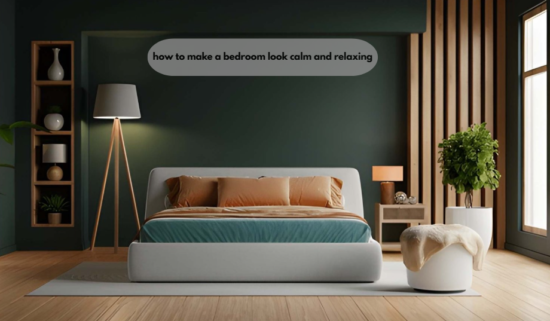
Is color the most powerful tool in a bedroom makeover? Yes — because your brain processes color before you’re even fully awake. Soft, muted tones like sage green, dusty blue, warm taupe, and off-white have been shown in environmental psychology research to reduce heart rate and promote sleep onset. Knowing how to make a bedroom look calm and relaxing in a small space is mostly about choosing the right colors rather than adding more decor.
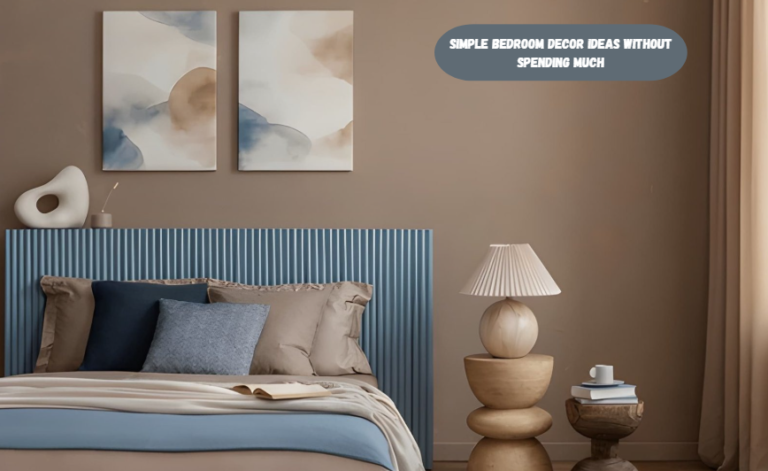
Repainting the entire space is not necessary. Even adding one or two calming-colored throw pillows or a new duvet cover can shift the energy of the entire space. I swapped out a bright orange comforter for a warm linen beige one, and the room immediately felt like it exhaled.
Quick color tips:
- Stick to a palette of 2–3 tones maximum
- Avoid high-contrast color combinations near the bed
- Warm whites (not bright white) keep walls from feeling clinical
- Earthy, muted greens are trending heavily in modern bedroom design and are deeply calming
How to Reduce Clutter Without Buying Storage Furniture
What is visual noise, and why does it stop you from relaxing? Visual noise is when your brain keeps registering objects in your environment—open shelves packed with items, visible cables, stacks of clothes—even while you’re trying to rest. It keeps your nervous system slightly activated.
The fix isn’t always buying new furniture. It’s editing what’s there.
Start with the “nightstand rule”: your nightstand should have no more than three things on it—a lamp, something to read, and maybe a glass of water. That’s it. Everything else is visual clutter working against your rest.
A few no-cost or low-cost decluttering moves:
- Use a basket or decorative box (you may already own one) to hide remotes, chargers, and daily items
- Move anything work-related—including laptops—completely out of the bedroom
- Fold and store extra blankets inside a pillowcase to keep them tidy
- Hang a few items of clothing on a simple over-door hook rather than leaving them on chairs
The bedroom should visually “stop” when you walk in. Your eyes need somewhere to rest, not wander.
What Lighting Changes Make a Bedroom Feel More Peaceful
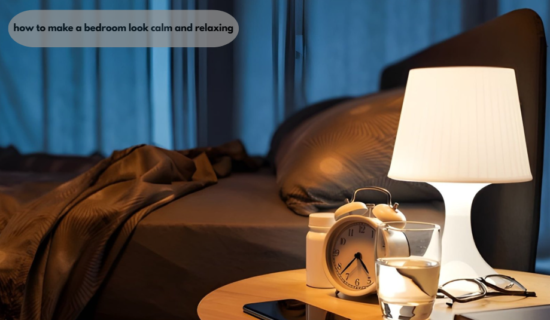
What is the simplest upgrade you can make to lighting? Because overhead lighting is almost always the enemy of relaxation. Bright, cool-toned overhead bulbs mimic daylight and tell your brain it’s time to be alert.
Swapping in warm-toned bulbs (2700K–3000K color temperature) in your existing lamps costs under $10 and makes an immediate difference. If you can, skip the overhead light after 8 PM entirely and rely only on bedside lamps or soft string lights.
At decoratoradvice com, design contributors consistently mention layered lighting—ambient, task, and accent—as the most overlooked element in bedroom transformation on a budget.
Simple lighting upgrades that cost little:
- Replace any bulbs with warm LED options (look for “soft white” or “warm white” on the box).
- Add a small plug-in lamp to a dark corner for ambient glow
- Use dimmer switch plug adapters—around $12 on Amazon—to control existing lamps
- Blackout curtains (available at IKEA and Target for under $30) dramatically improve sleep quality
How Bedding and Texture Create a Sensory Sense of Calm
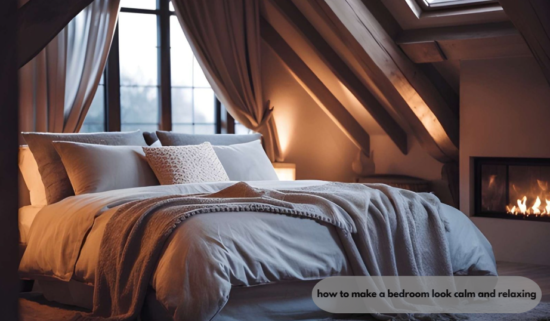
Is the way your bedroom feels just as important as how it looks? Absolutely — because you interact with your bed through touch, not just sight. Layering textures creates what designers call “sensory softness,” which signals safety and comfort to your nervous system.
You don’t need expensive Egyptian cotton. What matters more is the combination—a matte linen duvet, a chunky knit throw, and a couple of pillows with different covers. The contrast of textures reads as intentional and cozy, not expensive.
Here’s what I did: I found a neutral linen duvet cover at a thrift store for $6, layered it with a simple cotton blanket I already had, and added two euro pillows from a discount store. The whole thing looked like something from a boutique hotel—for about $20 total.
Texture layering formula:
- 1 fitted sheet (smooth)
- 1 duvet or comforter (slightly textured)
- 1 throw blanket (chunky or waffle knit)
- 2–4 pillows in complementary tones (not matching perfectly)
Can Scent and Sound Make a Bedroom Feel Calmer?
What sensory elements beyond sight affect how relaxing a bedroom feels? Scent and sound have direct pathways to the limbic system — the part of the brain that regulates emotion and stress. A bedroom that smells like lavender or cedarwood and has a consistent sound environment (or near-silence) creates a powerful psychological cue for rest.
This doesn’t mean buying an expensive diffuser. A small sachet of dried lavender tucked under a pillow, a $5 candle burned for 20 minutes before bed, or a free white noise app on your phone can accomplish the same thing.
Knowing how to make a bedroom look calm and relaxing also means thinking about what you hear. If street noise is an issue, a simple box fan or a free sleep sound app creates enough ambient sound to mask distractions.
Bedroom Calm: Budget vs. Mid-Range Options Compared
| Element | Budget Option (Under $20) | Mid-Range Option ($20–$80) | Impact Level |
| Lighting | Warm LED bulb swap | Plug-in dimmer + new lamp | ⭐⭐⭐⭐⭐ |
| Color | Accent pillow in a calm tone | New duvet cover in neutral | ⭐⭐⭐⭐ |
| Clutter | Declutter + repurpose baskets | Under-bed storage bins | ⭐⭐⭐⭐⭐ |
| Texture | Thrifted throw blanket | Linen duvet cover | ⭐⭐⭐⭐ |
| Scent | Dried lavender sachet | Essential oil diffuser | ⭐⭐⭐ |
| Sound | Free white noise app | Small white noise machine | ⭐⭐⭐ |
| Curtains | Existing + liner panel | Blackout curtains | ⭐⭐⭐⭐⭐ |
How Plants and Natural Elements Add Calm Without Cost
Is bringing nature into your bedroom worth the effort? Yes—biophilic design (the use of natural elements indoors) has been studied extensively and shown to lower stress markers. But you don’t need a lush indoor jungle to get the effect.
One or two low-maintenance plants—a pothos, a snake plant, or a small peace lily—are enough to add life and soft visual interest. If you’re not a plant person, a small piece of driftwood, a stone, or even a single dried botanical stem in a simple vase creates the same grounded, natural feeling.
The goal, as the design team at https//decoratoradvice.com often puts it, is to give the eye a “soft” landing—something organic and undemanding to look at before sleep.
Frequently Asked Questions About Calm Bedroom Design
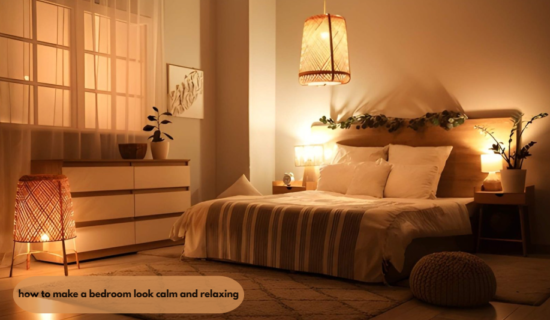
What is the fastest way to make a bedroom feel more relaxing? The single fastest change is removing clutter from your nightstand and surfaces, then switching to warm-toned lighting. These two steps alone can shift how a room feels within an hour.
What colors make a bedroom look most calm? Muted, low-saturation tones like sage green, soft blue-gray, warm beige, and dusty mauve are consistently rated most calming in sleep environment research. Avoid bright whites and saturated colors near the sleeping area.
Do you need to spend money to make a bedroom feel peaceful? No. The most impactful changes — decluttering, rearranging furniture for better flow, adjusting lighting, and adding texture with what you own — cost nothing. The makeover can be finished with thoughtful, inexpensive accents like warm lightbulbs and a basic throw blanket.
Can a small bedroom still feel calm and relaxing? Yes — in fact, small bedrooms often feel cozier and more intimate when styled well. Keep the color palette tight, use mirrors to reflect light, and keep only essential furniture
What scents are most effective for a relaxing bedroom? Lavender, chamomile, cedarwood, and sandalwood are the most researched for promoting relaxation and sleep. These are available in inexpensive candles, sachets, or basic essential oil roll-ons.
Conclusion: Small Changes, Real Results
Here’s the truth: learning how to make a bedroom look calm and relaxing doesn’t require a renovation budget or a designer’s eye. It requires a willingness to edit — to take things away more than you add — and to pay attention to how your senses respond to the space you sleep in.
The people I know who have the most restful bedrooms aren’t the ones who spent the most. They’re the ones who made intentional choices about color, light, texture, and clutter and then stopped adding more.
Your next step: Pick just one thing from this article — the lighting, the nightstand, the color — and change it this week. Don’t try to change everything at once. One honest, committed change will show you more than a month of planning ever will.