
How Long Do Bathroom Renovations Take in Melbourne? Step-by-Step Process Explained
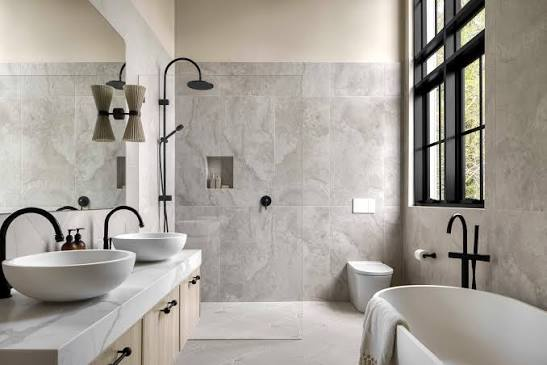
Planning a bathroom renovation is exciting, but one of the first questions most homeowners ask is simply how long the project will take. The truth is that timelines vary depending on the size of the bathroom, the scope of work, and how quickly materials and tradespeople can be scheduled. Understanding the typical bathroom renovations Melbourne timeline can help you plan around the disruption, budget more accurately, and set realistic expectations before the first tile is even removed.
Understanding the Bathroom Renovations Melbourne Timeline
A standard bathroom renovation in Melbourne generally takes between three and six weeks from the day demolition begins to the final handover, though this can extend further for larger or more complex projects. Factors that influence the timeline include whether the layout is being changed, whether plumbing or electrical work needs to be relocated, and how easily materials such as tiles, vanities, and fixtures can be sourced. A simple cosmetic update, such as replacing a vanity and retiling, can sometimes be completed in under two weeks, while a full structural renovation involving new plumbing lines or a reconfigured layout may take closer to eight weeks. Weather, trade availability, and council approval requirements can also add time, so it is worth building in a buffer when setting expectations with your renovator.
Step One, Planning and Design
Before any physical work begins, there is a planning phase that often takes longer than people expect. This stage involves finalising the design, choosing fixtures and finishes, confirming the budget, and obtaining any necessary permits or approvals. In Melbourne, if your renovation involves structural changes or affects waterproofing, you may need a building permit, which can take one to several weeks depending on council processing times. It is also common for homeowners to spend several weeks selecting tiles, tapware, and cabinetry, since these choices affect both the look and the overall cost of the project. Getting this stage right reduces the likelihood of costly changes once work is underway.
Step Two, Demolition and Strip Out
Once planning is complete and materials are ordered, the physical work begins with demolition. This typically takes one to three days, depending on the size of the bathroom and whether any asbestos testing or removal is required, which is common in older Melbourne homes built before the 1990s. During this phase, the old tiles, fixtures, and sometimes the flooring are stripped back to reveal the underlying structure. This is also when any unexpected issues, such as water damage or outdated plumbing, tend to surface, which can affect the overall timeline if additional repairs are needed before work can continue.
Step Three, Plumbing, Electrical, and Waterproofing
After demolition, licensed plumbers and electricians move in to rough in new pipework and wiring, particularly if the layout is changing or new fixtures such as a rainfall shower or heated towel rail are being added. This stage usually takes three to five days. Once the rough in work is signed off, waterproofing begins, which is one of the most important steps in any bathroom renovation. Melbourne building regulations require waterproof membranes to be applied to walls and floors in wet areas, and this typically needs a curing period of at least a few days before tiling can start. Skipping or rushing this stage is a common cause of leaks and damage down the track, so a reputable renovator will not cut corners here even if it adds time to the schedule.
Step Four, Tiling and Fixture Installation
With waterproofing cured and inspected, tiling can begin, which generally takes three to seven days depending on the size of the bathroom and the complexity of the tile pattern. Larger format tiles or intricate mosaic details can extend this timeframe slightly. Once tiling is complete and grouted, tradespeople install the vanity, toilet, shower screen, and other fixtures, followed by final plumbing and electrical connections such as taps, the shower head, and lighting. This stage often takes another three to five days, bringing the bathroom close to completion.
Step Five, Finishing Touches and Final Inspection
The final stage involves sealing, caulking, painting, and installing any remaining details such as mirrors, shelving, or accessories. A final walkthrough with your renovator allows you to check that everything has been finished to standard and that all fixtures are working correctly. This stage usually takes one to two days, though it is worth allowing a small amount of extra time for any minor touch ups. Once you are satisfied with the result, the space is ready to use.
Factors That Can Extend the Timeline
While the steps above outline a typical process, several factors can push out the overall bathroom renovations Melbourne timeline. Custom or imported materials may take weeks to arrive, particularly if there are supply chain delays. Older homes can also present unexpected structural or plumbing issues once walls are opened up, requiring additional repairs before the project can proceed. Similarly, booking trades during peak renovation seasons, such as spring and early summer, can mean longer wait times between each stage, so scheduling well in advance is generally recommended.
Conclusion
Renovating a bathroom is a significant undertaking, and understanding the process from planning through to final inspection helps set realistic expectations for how long the work will actually take. While a straightforward renovation might be completed in three to four weeks, more complex projects involving structural changes or waterproofing repairs can take considerably longer. Knowing the typical bathroom renovations Melbourne timeline in advance allows you to plan around the disruption, coordinate with your household, and avoid unnecessary stress once the tools come out and the work begins.